The 2026 FIFA World Cup, which begins tomorrow across the United States, Canada, and Mexico, is not merely a soccer tournament. It is an experiment in scale — one that will test whether the world's most popular sport can survive its own ambitions.
For the first time, 48 nations will compete for the trophy, up from 32 in the previous format. The group stage has been restructured into 12 groups of four, with matches spread across 16 host cities spanning three time zones and three countries. The tournament will run for 39 days, feature 104 matches, and generate what FIFA projects will be $11 billion in revenue. By every metric except the one that matters — quality of play — this is the biggest World Cup ever staged.
The arithmetic of expansion
The mathematics of a 48-team tournament create structural problems that no amount of marketing can obscure. With 12 groups, the knockout rounds begin with a 32-team bracket, meaning two-thirds of participants advance from the group stage. In the old format, that figure was half. The practical effect is that mediocrity is now rewarded: a team can lose twice in group play and still reach the round of 16.
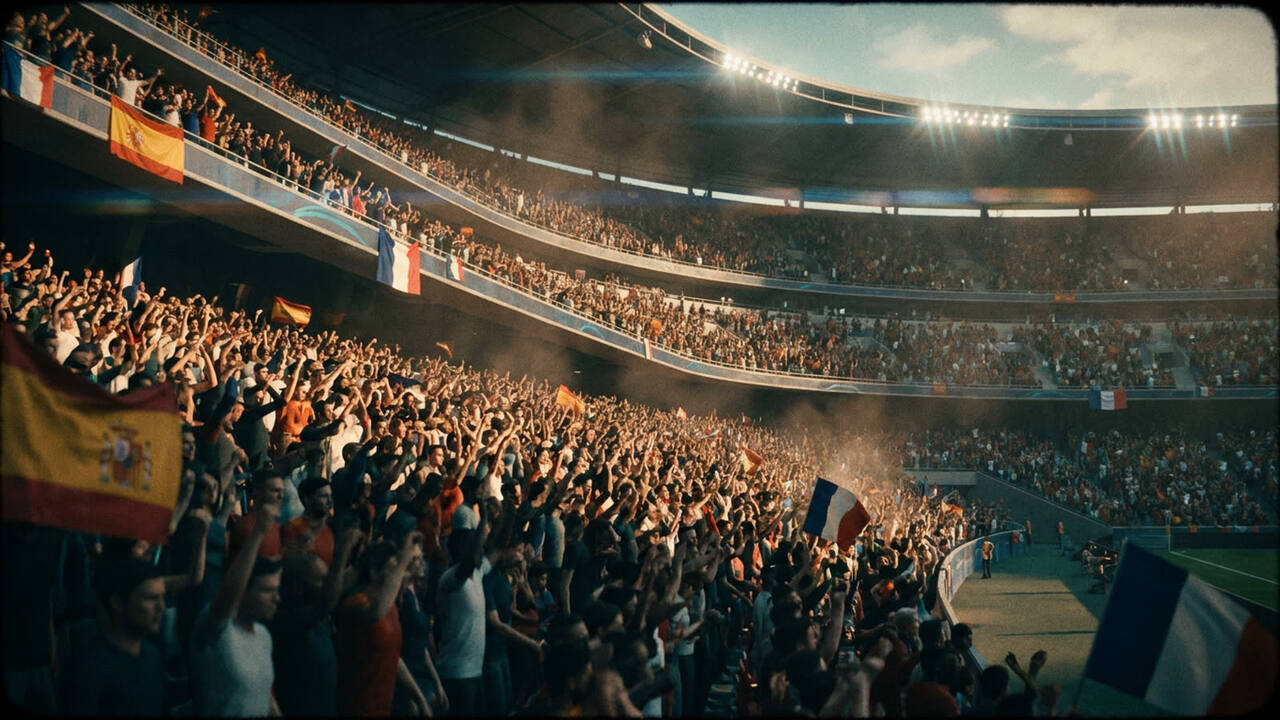
For traditional powers like Spain and France — installed as co-favorites by bookmakers — the expanded field is a minor inconvenience. For nations making their first World Cup appearance, it is a participation trophy dressed in the language of inclusion. FIFA president Gianni Infantino has framed expansion as democratization. Critics call it dilution.
The three-country gamble
Beyond the playing format, the tri-host arrangement introduces logistical complexity unprecedented in World Cup history. Teams and supporters will traverse a combined landmass larger than Europe, navigating three distinct border regimes, currencies, and climates. A supporter following their team from Toronto to Guadalajara to Miami will accumulate more air miles than some European club seasons require.
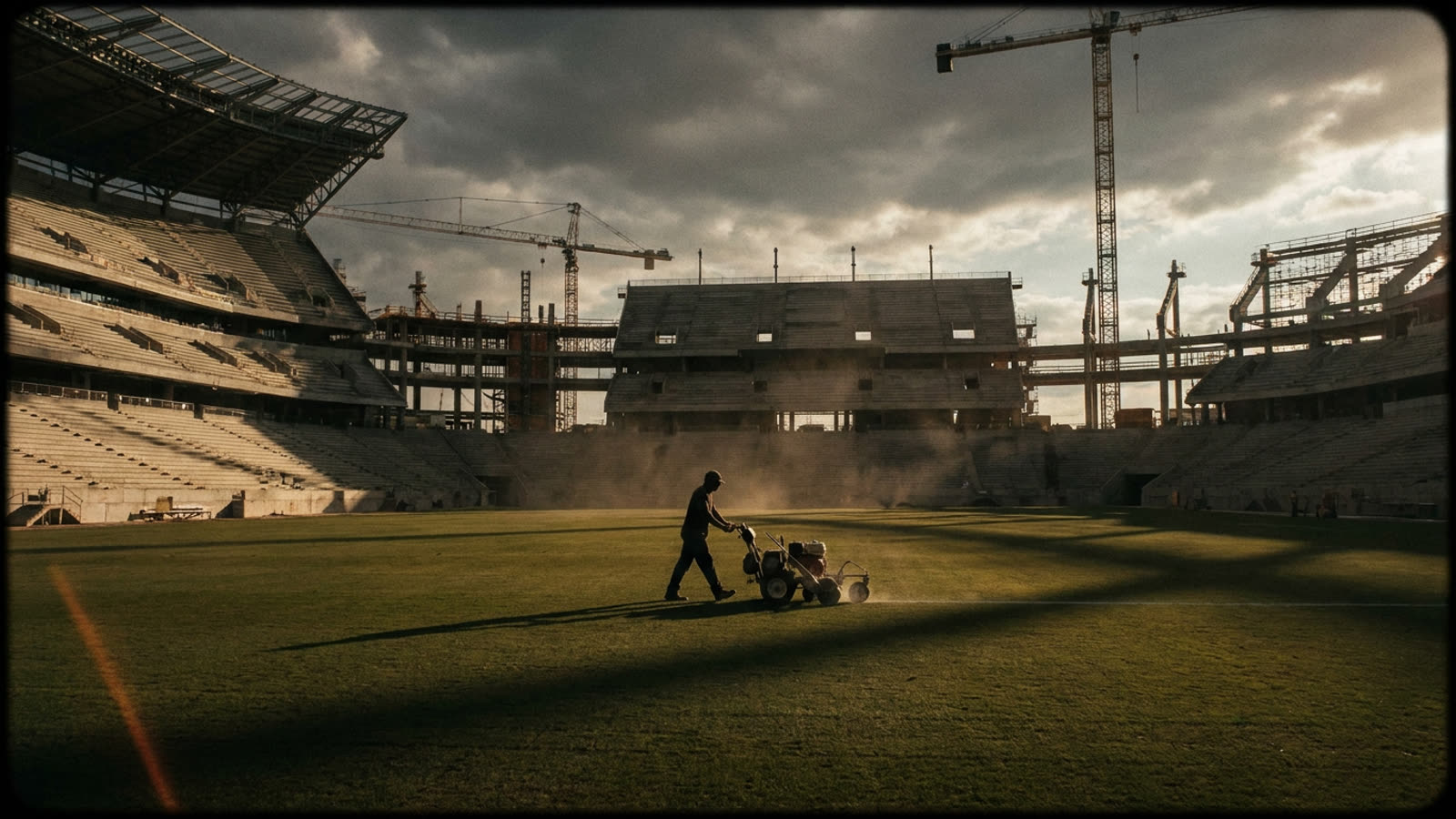
The host cities themselves reveal FIFA's commercial priorities. Venues were selected for stadium capacity and media market size, not soccer culture. Atlanta, Dallas, and Houston — cities where the sport remains a distant fourth behind American football, basketball, and baseball — will host marquee matches. The bet is that American eyeballs, once captured, will convert to permanent fans. The risk is that the tournament feels less like a global celebration than a corporate roadshow.
Our take
FIFA has confused growth with progress. The 48-team World Cup is not an evolution of the tournament; it is a leveraged buyout of its own prestige. More games, more nations, more revenue — and almost certainly less meaning per match. The beautiful game has always derived its power from scarcity: the four-year wait, the brutal group stage, the sense that every minute matters. By flooding the market with content, FIFA risks discovering that even soccer is subject to the laws of diminishing returns. Tomorrow, the experiment begins. The results will take a generation to measure.