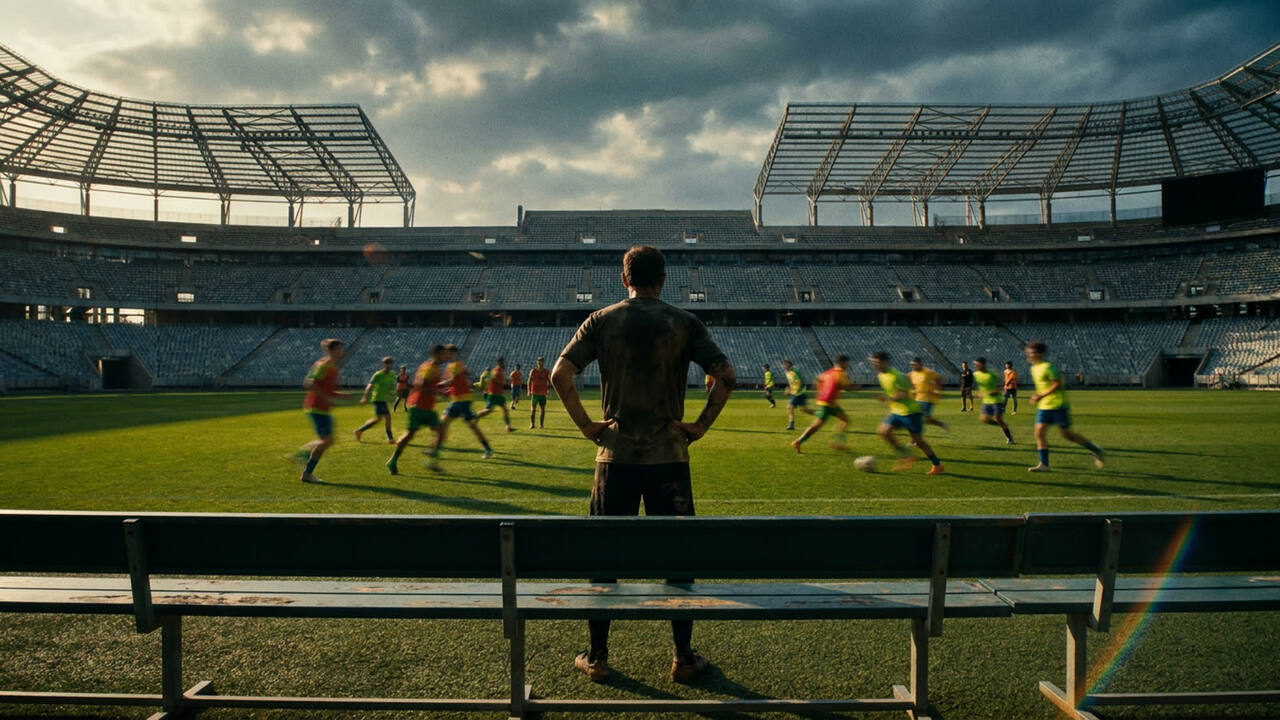
The 2026 World Cup was supposed to be a coronation for the sport's elder statesmen—one last dance for the generation that defined the 2010s. Instead, it is becoming their wake.
Across the tournament's first twelve days, a pattern has emerged that no amount of nostalgia can obscure: the legs that carried football through its golden age are betraying their owners. Minutes are being managed. Substitutions are coming earlier. And the young players who were meant to learn at the feet of legends are instead sprinting past them.
The numbers don't lie
The evidence is scattered across every group. Players over 33 are averaging fewer minutes per match than in any World Cup since 2010. Recovery times between games have become a tactical obsession for managers with aging squads, while teams built around youth—Morocco, the United States, Spain—are rotating freely without losing intensity. The expanded 48-team format, with its compressed schedule and additional knockout rounds, has turned endurance into a selection criterion as important as skill.
What's remarkable isn't that older players are slowing down—that's biology. It's that the tournament's structure now punishes experience in ways previous World Cups never did. The three-team group stage means every match carries elimination weight. The heat of North American summers offers no respite. And the depth of modern squads means managers face genuine choices rather than obligatory loyalty.
The emotional arithmetic
For supporters, this creates an uncomfortable calculus. Do you want to watch your heroes struggle through one more tournament, or do you want your team to win? The question sounds callous until you watch a once-dominant midfielder lose a footrace to a 21-year-old, or see a legendary forward substituted at the hour mark with the score still level.
Some veterans have adapted brilliantly, accepting reduced roles and finding ways to influence matches in shorter bursts. Others have resisted the indignity of the bench, creating selection headaches for managers caught between sentiment and pragmatism. The best teams have found balance; the struggling ones are still negotiating treaties between generations.
Our take
Every World Cup eventually becomes a story about time—about careers ending and new ones beginning, about the precise moment when a player crosses from prime to memory. But this tournament has accelerated the narrative in ways that feel almost cruel. The expanded format that was meant to include more nations has instead exposed the physical limits of the players we most wanted to see. Football's greatest generation is learning what every generation eventually learns: the game doesn't wait, and neither does the next wave of talent hungry to take their place.