The group stage of the 2026 World Cup was, as always, a prolonged sorting exercise — 48 teams reduced to 32, favorites confirmed, dark horses identified, and a handful of supposed contenders sent home early with their reputations in tatters. Now comes the part that actually matters.
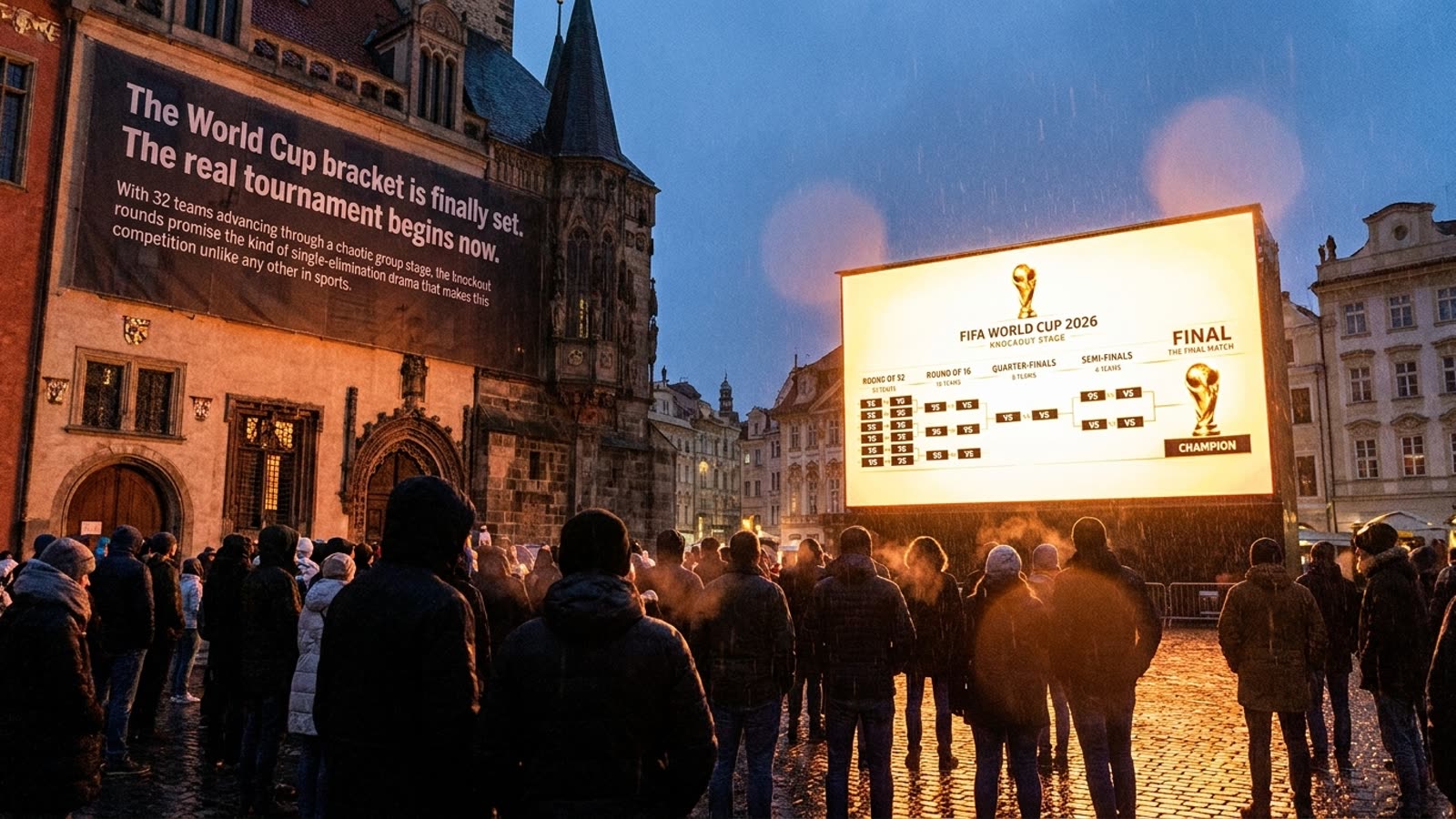
The knockout bracket that emerged from Friday's final group matches sets up a tournament that rewards the survivors with increasingly brutal assignments. There are no easy paths from here, only less impossible ones.
The architecture of elimination
FIFA's expanded 48-team format, debuting at this tournament, has produced a bracket that looks nothing like previous World Cups. The round of 32 is itself an innovation — previous tournaments jumped straight from groups to a round of 16 — and it means that even dominant group winners face an extra knockout hurdle before reaching the quarterfinals.
The bracket's structure has created some fascinating asymmetries. One half features three of the tournament's top four favorites; the other half is more open, offering a potential path to the semifinals for teams that would have been considered long shots a month ago. This is by design, or at least by draw — the seeding system can only do so much when 48 teams are involved.
Where the pressure falls
Host nation pressure is distributed unevenly across the bracket. The United States, Canada, and Mexico all advanced from their groups, but their paths forward vary dramatically in difficulty. One host faces a plausible route to the quarterfinals; another drew into a bracket section that looks like a gauntlet.
The European contingent, as usual, is deep and dangerous, but several traditional powers finished second in their groups and now face tougher early assignments. South American teams, by contrast, largely topped their groups and secured more favorable positioning — a reversal from recent tournaments where CONMEBOL sides often stumbled in the group stage.
The invisible factor
What the bracket cannot show is fatigue. Teams that clinched early qualification and rested key players in meaningless final group matches will have fresher legs than sides that needed to fight until the final whistle. This advantage compounds as the tournament progresses — the difference between 90 minutes and 120 minutes in a round of 32 match can determine who has anything left for a semifinal.
The schedule compression of the expanded format means recovery time between matches is shorter than in previous World Cups. Medical staffs and rotation strategies will matter as much as tactical setups.
Our take
The expanded World Cup was supposed to dilute quality, and perhaps it has — there were more lopsided group-stage results than in recent memory. But the knockout bracket that emerged is genuinely compelling, with multiple plausible champions and enough chaos baked into the structure to produce upsets. The tournament's critics predicted a bloated mess; what they got was a bracket that somehow feels more open than the 32-team version ever did. Whether that openness produces a surprise champion or simply a longer path for the usual suspects remains the only question worth asking for the next three weeks.