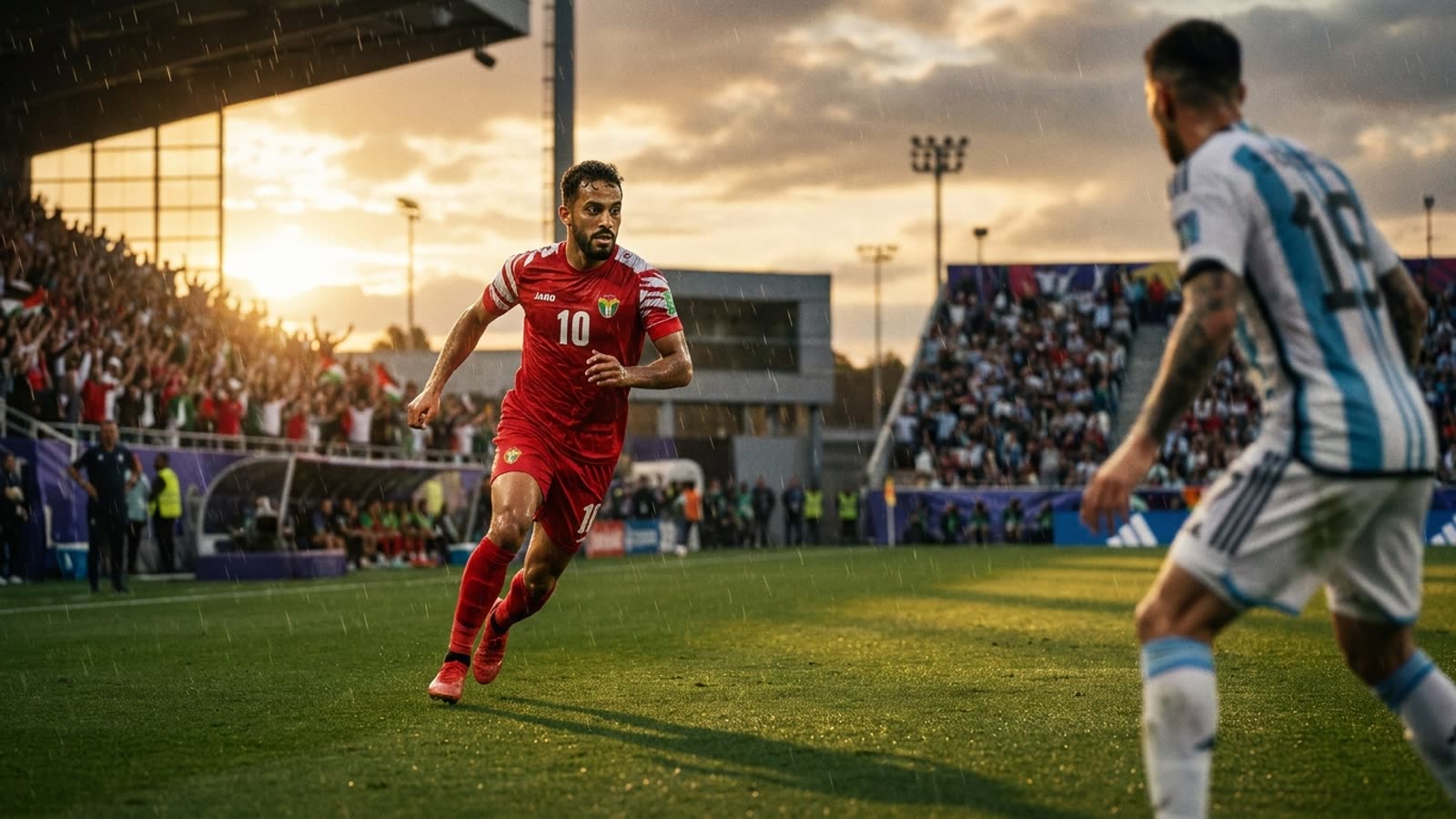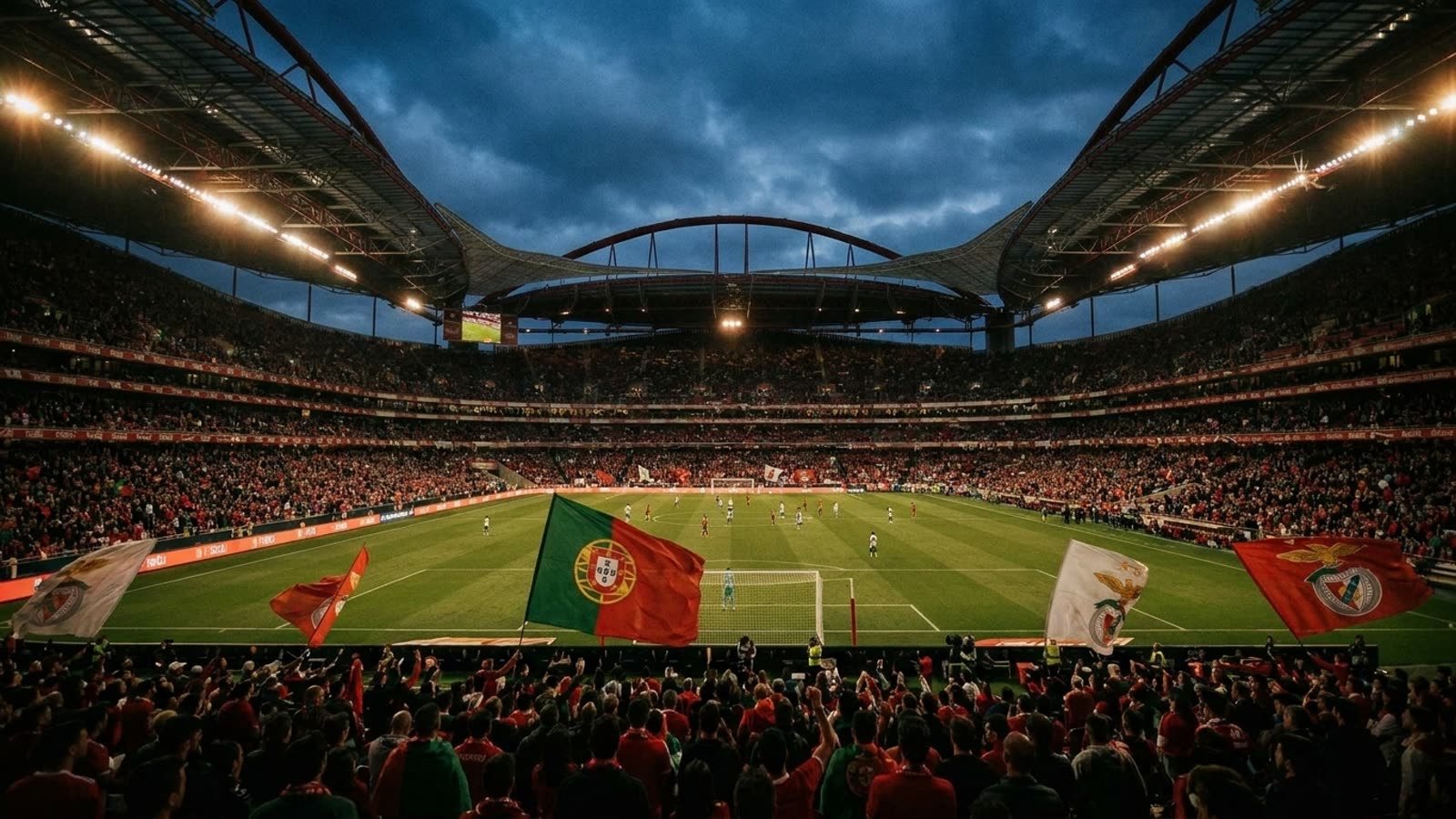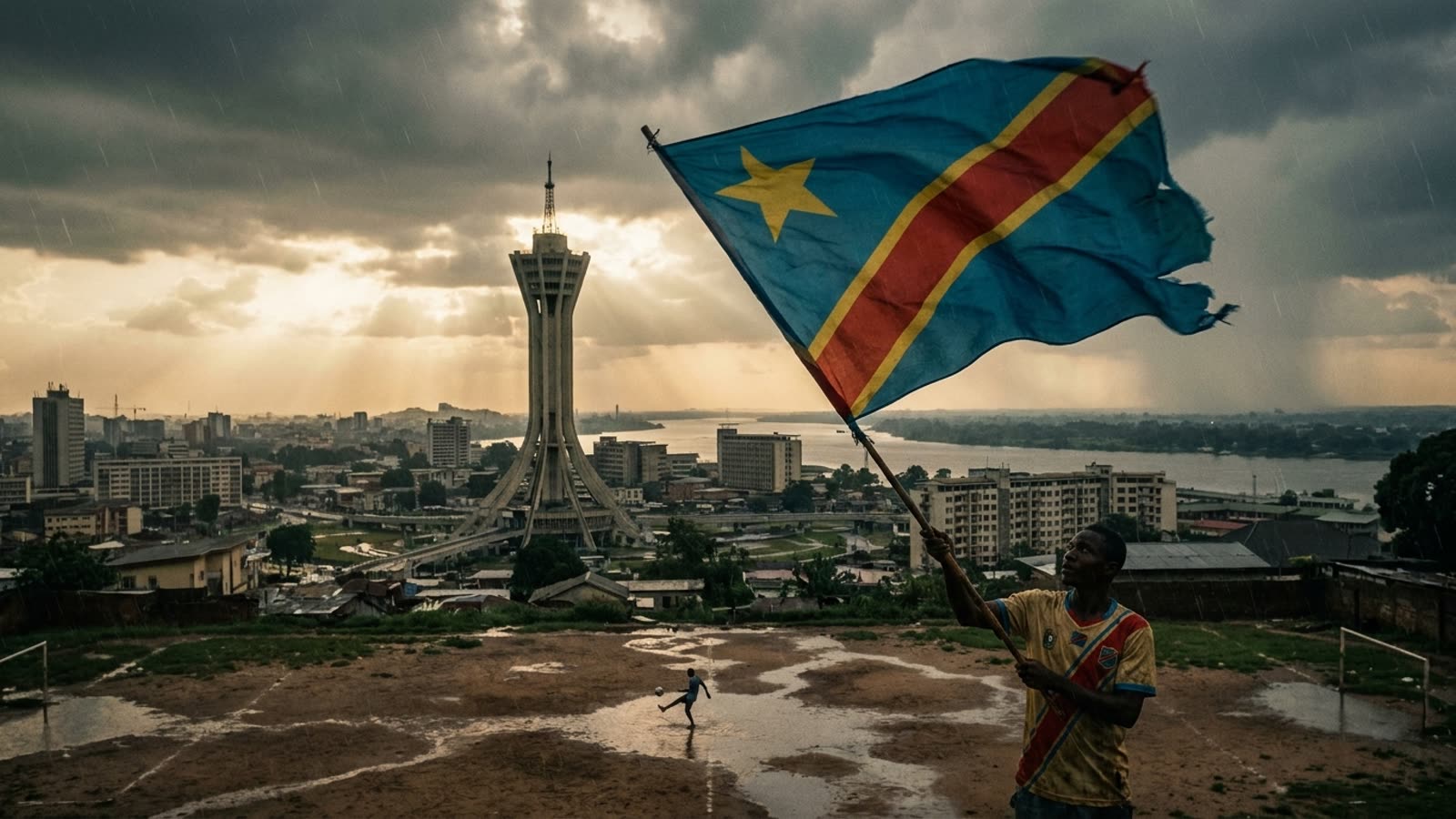
The Democratic Republic of the Congo is playing the best football in its history. The Leopards qualified for only their second World Cup ever—their first since 1974—and have exceeded every expectation in the group stage. Yet one of their most devoted supporters, a man who has followed the national team across Africa for years, will watch the knockout rounds from Kinshasa rather than Kansas City. The US Embassy denied his visa application.
The unnamed fan's case, first reported by Reuters, is not an anomaly. It is the predictable consequence of hosting a global tournament in a country whose visa regime treats certain nationalities as presumptively suspicious. Citizens of the DRC face rejection rates exceeding 50 percent for US tourist visas in normal years. During a World Cup that FIFA marketed as the most inclusive ever, those numbers have not meaningfully improved.
The passport lottery
World Cup hosting comes with implicit promises: economic windfalls, soft-power projection, and the intangible magic of welcoming the world. The 2026 tournament, spread across the United States, Canada, and Mexico, was sold partly on the premise that three countries meant three times the accessibility. In practice, the arithmetic works differently.
Canadian and Mexican visa regimes are not identical to America's, but the bulk of matches—including all knockout rounds from the quarterfinals onward—take place on US soil. For fans from the DRC, Nigeria, Cameroon, Senegal, and other African nations with strong World Cup representation, the tournament might as well be on the moon. The visa interview itself requires travel to an embassy, often in a different city or country, plus fees that can exceed a month's wages.
FIFA and US Soccer have gestured toward solutions. A special "fan visa" category was floated during the bidding process but never materialized in binding form. Match ticket holders can apply for expedited processing, but expedited denial is still denial.
What the Leopards mean
The DRC's footballing resurrection is a genuinely moving story. A nation of 100 million people, rich in talent but cursed by decades of conflict and institutional dysfunction, has produced a generation of players good enough to compete with anyone. The squad features stars from Europe's top leagues—Chancel Mbemba, Yoane Wissa, Arthur Masuaku—alongside domestic heroes.
Their supporters are famous across the continent for their noise, their choreography, their sheer commitment. The superfan denied entry reportedly spent his savings on a ticket and travel arrangements before his visa interview. He did everything right. The system told him he was the wrong kind of fan.
Our take
FIFA cannot control American immigration policy, but it chose to award the tournament to a country whose policies were already well-documented. The federation's stated mission—"football unites the world"—rings hollow when the world's fans are sorted into those who can attend and those who cannot, based largely on the accident of birthplace. The Congolese superfan will cheer from afar. The empty seat beside the traveling supporters will be filled by someone with a more convenient passport. That is not unity. That is a velvet rope with a flag on it.