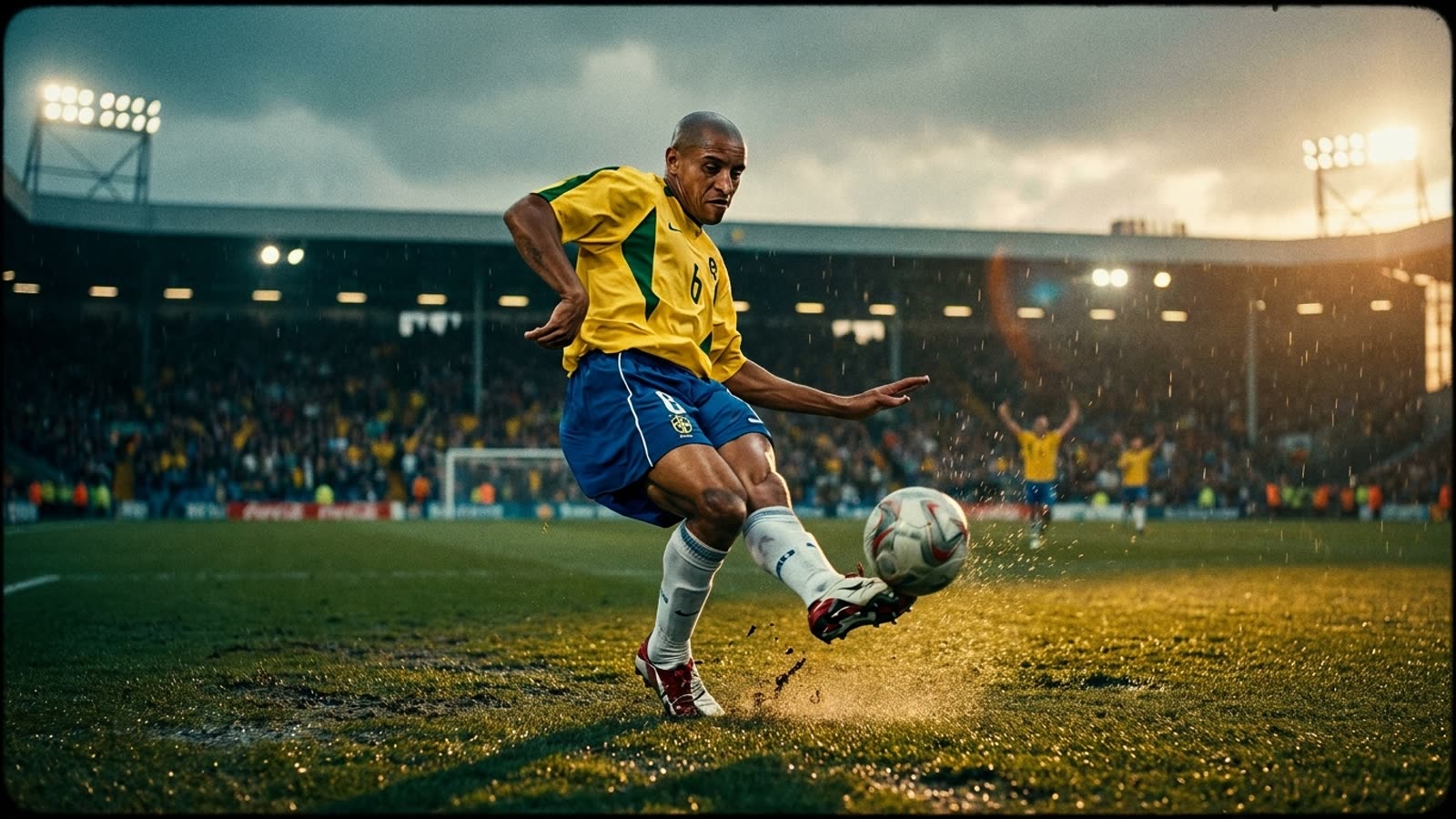
The 2026 World Cup was supposed to be a logistical nightmare dressed up as innovation. Three countries, sixteen cities, time zones stretching from Vancouver to Miami—critics predicted a tournament that would feel scattered, soulless, a corporate exercise in maximizing stadium revenue rather than footballing drama. Two weeks in, those critics look foolish.
All three host nations have won their opening matches. Canada's historic 1-0 victory over Qatar marked the country's first-ever World Cup win. Mexico has already clinched first place in Group A, becoming the first team to secure knockout qualification. The United States, playing in front of delirious home crowds, has looked like a genuine contender rather than the perennial underachiever of CONCACAF. The tournament is thriving precisely because the hosts are thriving.
The home advantage multiplier
Host-nation success at World Cups is not guaranteed—ask South Africa (2010) or Qatar (2022), both eliminated in the group stage. But when it works, it transforms the entire competition. The energy in the stadiums radiates outward, television audiences spike, and the narrative shifts from bureaucratic spectacle to genuine sporting drama.
This tournament has that energy in triplicate. Mexico City's Azteca has been volcanic. Toronto's BMO Field witnessed scenes of collective delirium after Alphonso Davies set up the winning goal against Qatar. American venues from Atlanta to Los Angeles are selling out with crowds that actually understand the sport, a marked change from previous U.S.-hosted tournaments where corporate hospitality often outnumbered genuine supporters.
The CONCACAF coming-out party
For decades, CONCACAF has been football's afterthought confederation—sandwiched between South America's technical brilliance and Europe's tactical sophistication, producing occasional upsets but never sustained excellence. This World Cup is rewriting that narrative in real time.
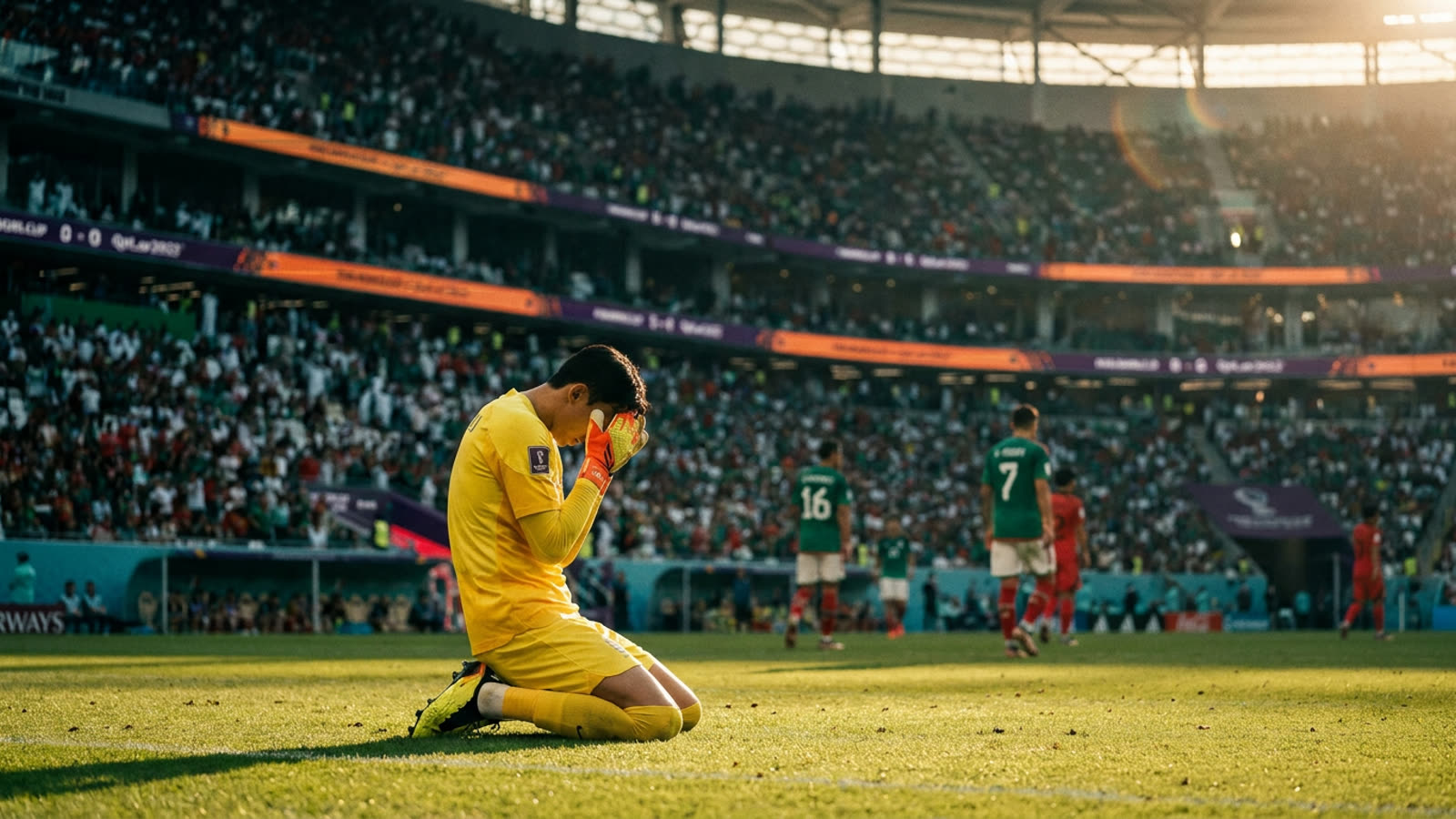
Mexico's clinical dismantling of South Korea, aided by a goalkeeper error that will haunt Kim Seung-gyu for years, demonstrated a team that has finally learned to manage big moments rather than implode in them. Canada, long dismissed as a hockey nation with a football hobby, now has a legitimate golden generation built around Bayern Munich's Davies and a supporting cast that can compete at the highest level. The Americans, benefiting from a decade of European-based development, look like they belong.
Our take
FIFA awarded this tournament to three nations because it wanted American television money and Mexican stadium atmosphere and Canadian political goodwill. The cynicism was warranted. But sport has a way of transcending its commercial origins, and this World Cup is doing exactly that. When all three hosts win, the entire tournament wins. The gamble is paying off, and the knockout rounds have not even begun.