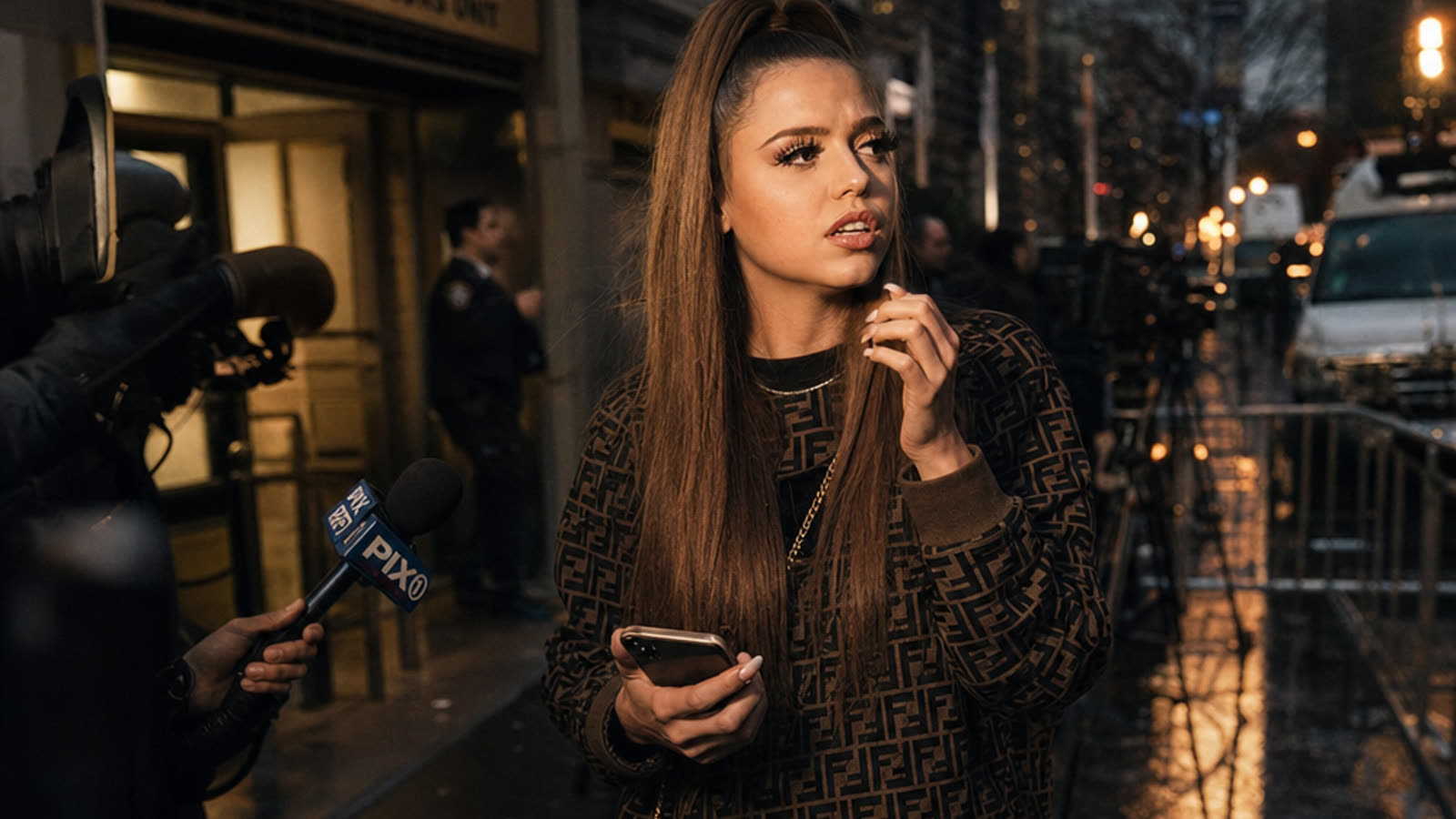
Victoria Waldrip, the 24-year-old influencer who built a following on provocation and racial controversy, posted a plea this week that contained none of her usual performative chaos: her mother has been missing for approximately two weeks, and she is asking the public for help.
The announcement marks a jarring tonal shift for someone whose brand has been constructed almost entirely on outrage—from her widely mocked claims of being Black despite her white Georgia upbringing to her feuds with Bhad Bhabie and various other internet personalities. Woah Vicky, as she's known to her millions of followers across platforms, has spent years courting negative attention with the precision of someone who understands the algorithm rewards controversy over coherence.
The details remain sparse
Waldrip has not disclosed the circumstances surrounding her mother's disappearance, the location where she was last seen, or whether law enforcement is actively involved in the search. The lack of specifics is notable—either a reflection of an ongoing investigation's requirements or the fog that descends on families in genuine crisis. What is clear is that Waldrip, who relocated from Atlanta to Los Angeles to pursue her influencer career, is now navigating something that exists entirely outside the content-creation playbook.
Her mother, Carla Johnson, has maintained a lower profile than her daughter, appearing occasionally in Waldrip's content but never becoming a fixture of her online persona in the way that influencer family members sometimes do. The two have had a complicated public relationship, with Waldrip previously discussing family tensions that contributed to her leaving home as a teenager.
When the character meets the person
The influencer economy creates a peculiar problem for those who build audiences on chaos: when real chaos arrives, the audience doesn't know how to receive it. Woah Vicky's followers have been trained to expect stunts, beefs, and content designed to generate reaction rather than empathy. A missing-person announcement sits uncomfortably against that backdrop, forcing viewers to recalibrate their relationship with someone they've only known as a character.
This isn't unprecedented—we've watched influencers navigate divorces, deaths, and scandals that blur the line between content and confession. But Waldrip's particular brand of controversy makes the transition especially dissonant. She has spent years being someone easy to dismiss or mock; now she's asking that same audience to take her seriously.
Our take
Whatever one thinks of Woah Vicky's career choices—and there is plenty to criticize—a missing mother is not content, and treating it as such would be grotesque. The appropriate response is the one we'd offer anyone in this situation: hope that her mother is found safe, and recognition that even people who perform for a living are allowed moments of genuine human fear. The algorithm doesn't care about context, but we should.