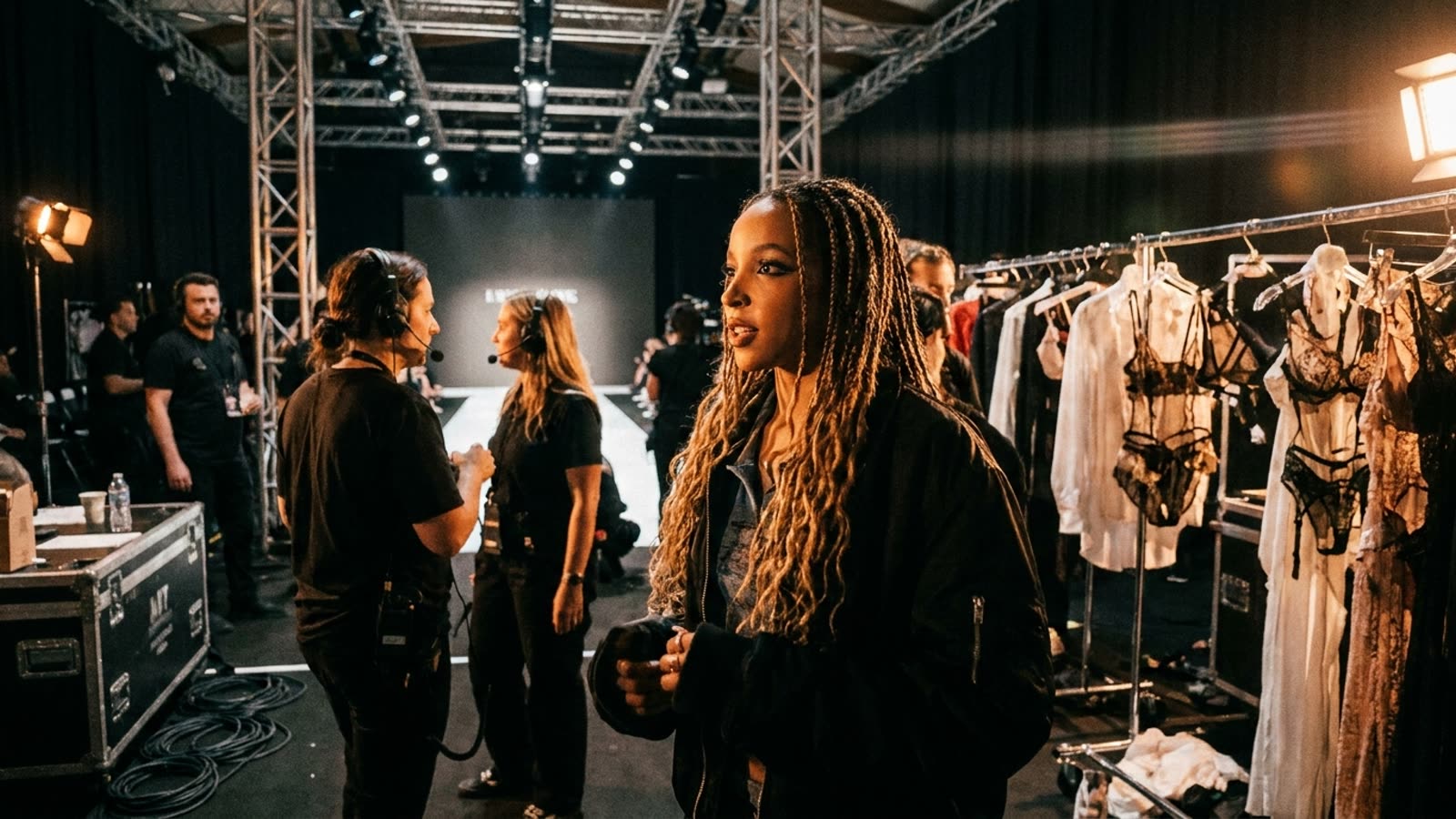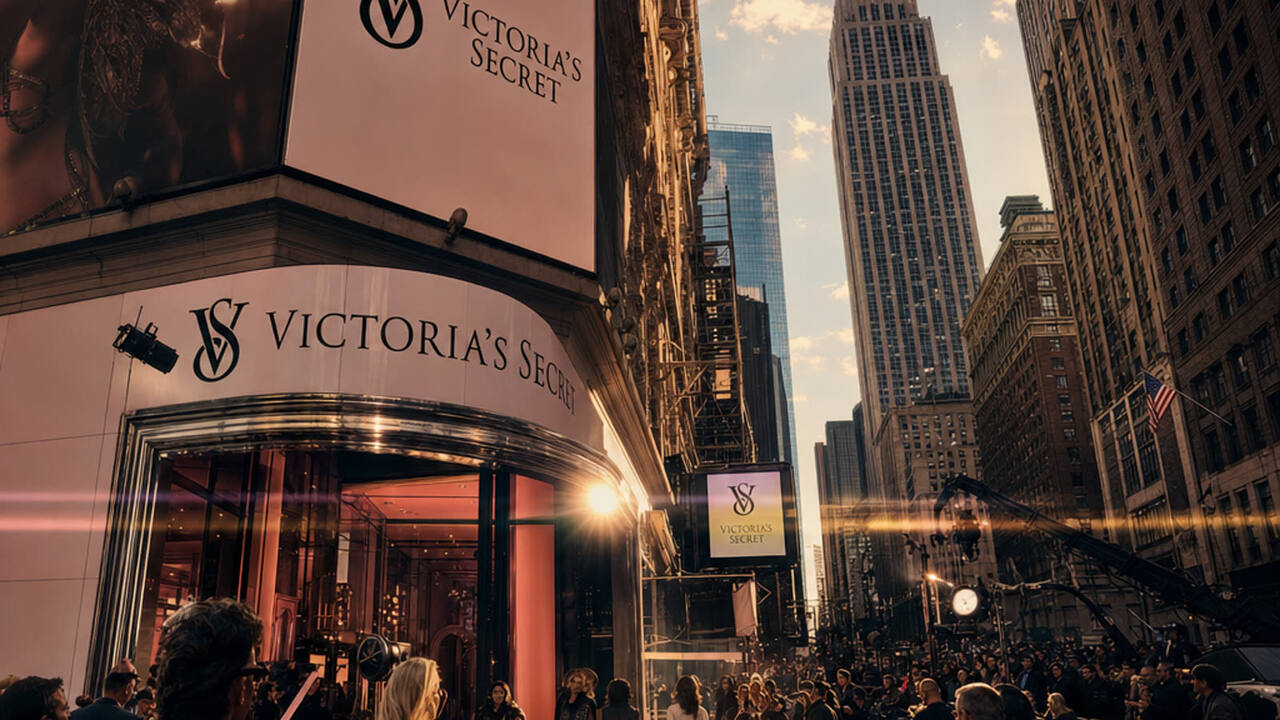
The Victoria's Secret Fashion Show returned this week after a six-year hiatus, and the brand would very much like you to believe the intervening years never happened. The wings are back. The fantasy bras are back. The parade of impossibly proportioned women strutting to pop anthems is back. What remains unclear is whether the audience that once made this an appointment-television event — 12 million viewers at its 2001 peak — has any interest in returning with it.
The original show was cancelled in 2019 amid cratering ratings and a corporate reckoning. Ed Razek, the executive who shaped the brand's aesthetic for decades, had dismissed the idea of trans models on the runway as incompatible with the "fantasy" he was selling. The timing was catastrophic: the #MeToo movement had reshaped expectations around how women's bodies were displayed for commercial purposes, and Victoria's Secret suddenly looked less like aspirational glamour than a relic of a more casually exploitative era.
The revival playbook
The 2026 edition attempted a soft pivot. The casting was marginally more diverse. The production featured musical performances from artists with contemporary cultural cachet, including Tinashe, whose presence signaled an attempt to court a younger demographic. The brand's parent company, Victoria's Secret & Co., has spent the post-cancellation years trying to rehabilitate its image through marketing campaigns emphasizing "real bodies" and comfort over push-up engineering.
But the fashion show itself is an inherently contradictory vehicle for that message. The entire premise — elaborate lingerie as performance art, models as living mannequins for male-gaze fantasy — cannot be easily reconciled with the body-positive positioning the brand has adopted in its advertising. The wings are not a symbol of empowerment; they are a symbol of a very specific era when Victoria's Secret defined mainstream American sexuality.
The economics of nostalgia
The revival makes more financial sense than cultural sense. Victoria's Secret has struggled against competitors like Savage X Fenty, which built its brand on the inclusive casting that Victoria's Secret rejected for decades. Rihanna's company captured market share by making diversity look effortless rather than performative. The fashion show's return is an attempt to reclaim cultural real estate through sheer spectacle — a bet that enough consumers will associate the brand with a simpler time when lingerie shopping did not require a political position statement.
The strategy has precedent. Abercrombie & Fitch, another brand defined by exclusionary aesthetics in the 2000s, has staged a successful reinvention by abandoning its shirtless-model marketing entirely. Victoria's Secret is attempting something harder: keeping the iconography while hoping the meaning has faded.
Our take
The Victoria's Secret Fashion Show was always more about selling a fantasy to men than selling underwear to women. Its return feels less like a cultural moment than a corporate Hail Mary — the brand hoping that enough time has passed for the wings to read as campy nostalgia rather than tone-deaf throwback. The problem is that the lingerie market has moved on, and the women who now drive purchasing decisions grew up watching those runways with a critical eye that did not exist in 2001. You can bring back the wings. You cannot bring back the innocence that made them fly.