Presidential pardons have always been exercises in personal discretion, but Donald Trump has refined the practice into something closer to a frequent-flyer program: early endorsement, demonstrated loyalty, and a willingness to suffer for the cause now reliably convert into get-out-of-jail-free cards.
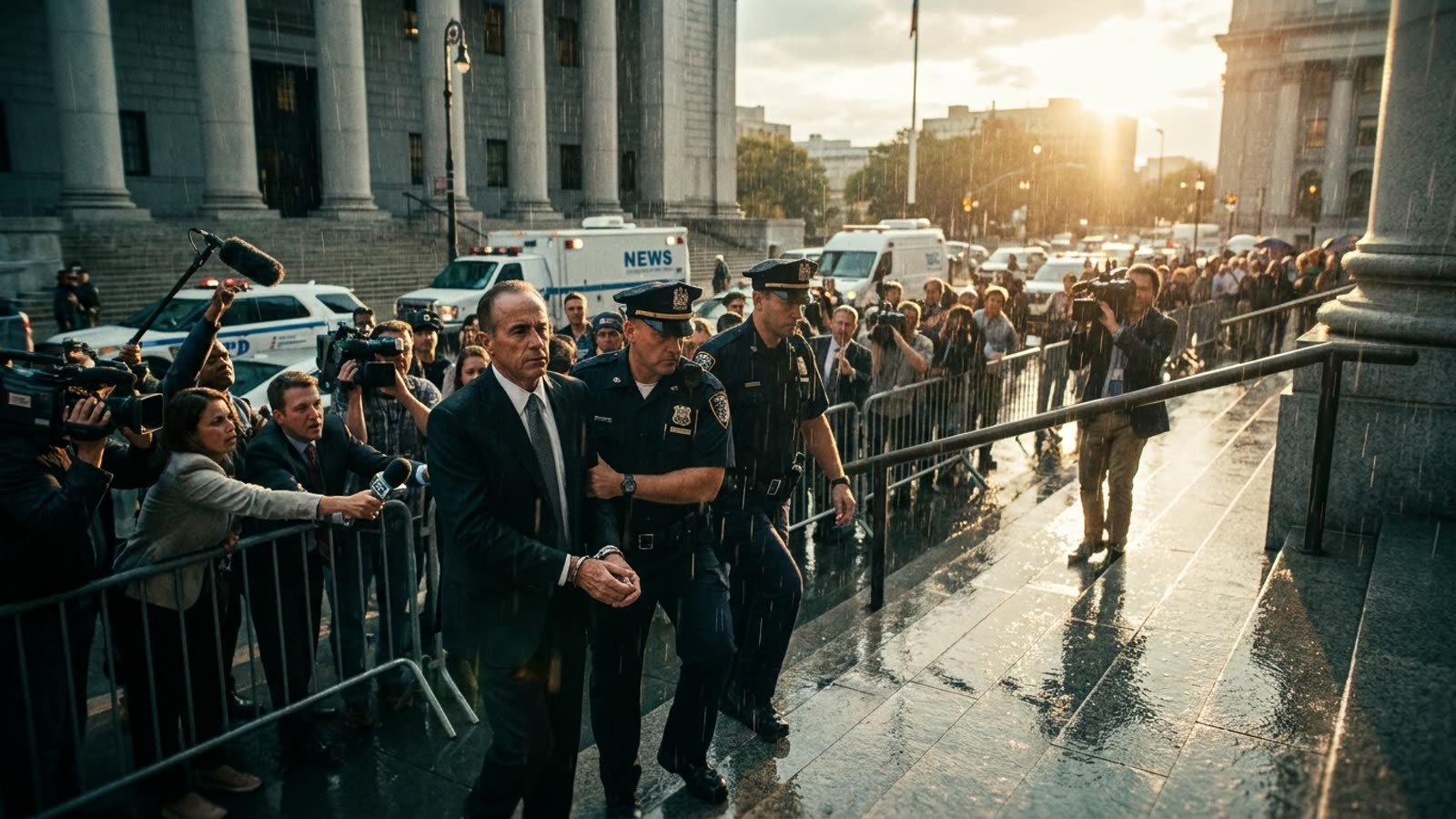
Chris Collins, the former Republican congressman from New York, pleaded guilty in 2019 to conspiracy to commit securities fraud and making false statements to federal investigators. He had tipped off his son about negative drug trial results at Innate Immunotherapeutics, an Australian biotech company on whose board he sat, allowing family members and associates to dump shares before the stock cratered. Collins served roughly two months of a 26-month sentence before Trump commuted his term in December 2020. Now, with a full pardon, his record is formally expunged.
The loyalty calculus
Collins was not a marginal figure in Trump's political ascent. In February 2016, when the Republican establishment still viewed Trump as an embarrassing interloper, Collins became the first sitting member of Congress to endorse him. That early bet—made when the smart money was on Marco Rubio or Ted Cruz—placed Collins in a category Trump never forgets: believers before the miracle.
The pardon follows a pattern. Michael Flynn, Roger Stone, Steve Bannon, Paul Manafort—the list of Trump associates who have received clemency reads like a reunion roster for the 2016 campaign. What distinguishes Collins is the nature of his crime: garden-variety white-collar fraud with no connection to Trump's legal troubles or political persecution narratives. This was not a pardon to correct prosecutorial overreach; it was a pardon because Collins was, in the relevant sense, family.
What pardons signal now
The constitutional pardon power is nearly absolute, and presidents of both parties have used it to reward donors, satisfy interest groups, and occasionally correct genuine injustices. But the Trump-era innovation is the explicit transactional framing. Pardons are no longer embarrassments to be issued quietly on the way out the door; they are public demonstrations that loyalty will be rewarded and that the justice system's verdicts are provisional for those inside the circle.
For potential future defendants in Trump's orbit—and there are several facing legal exposure—the message is clarifying. Cooperation with prosecutors offers uncertain benefits; silence and solidarity offer a pardon.
Our take
Chris Collins broke the law, admitted it, and served time. The justice system worked as designed. A pardon does not change the underlying facts; it simply declares that the president's affection outweighs the public interest in equal application of the law. That is Trump's prerogative. It is also a reminder that in this administration, the rule of law is a suggestion for enemies and an inconvenience for friends.