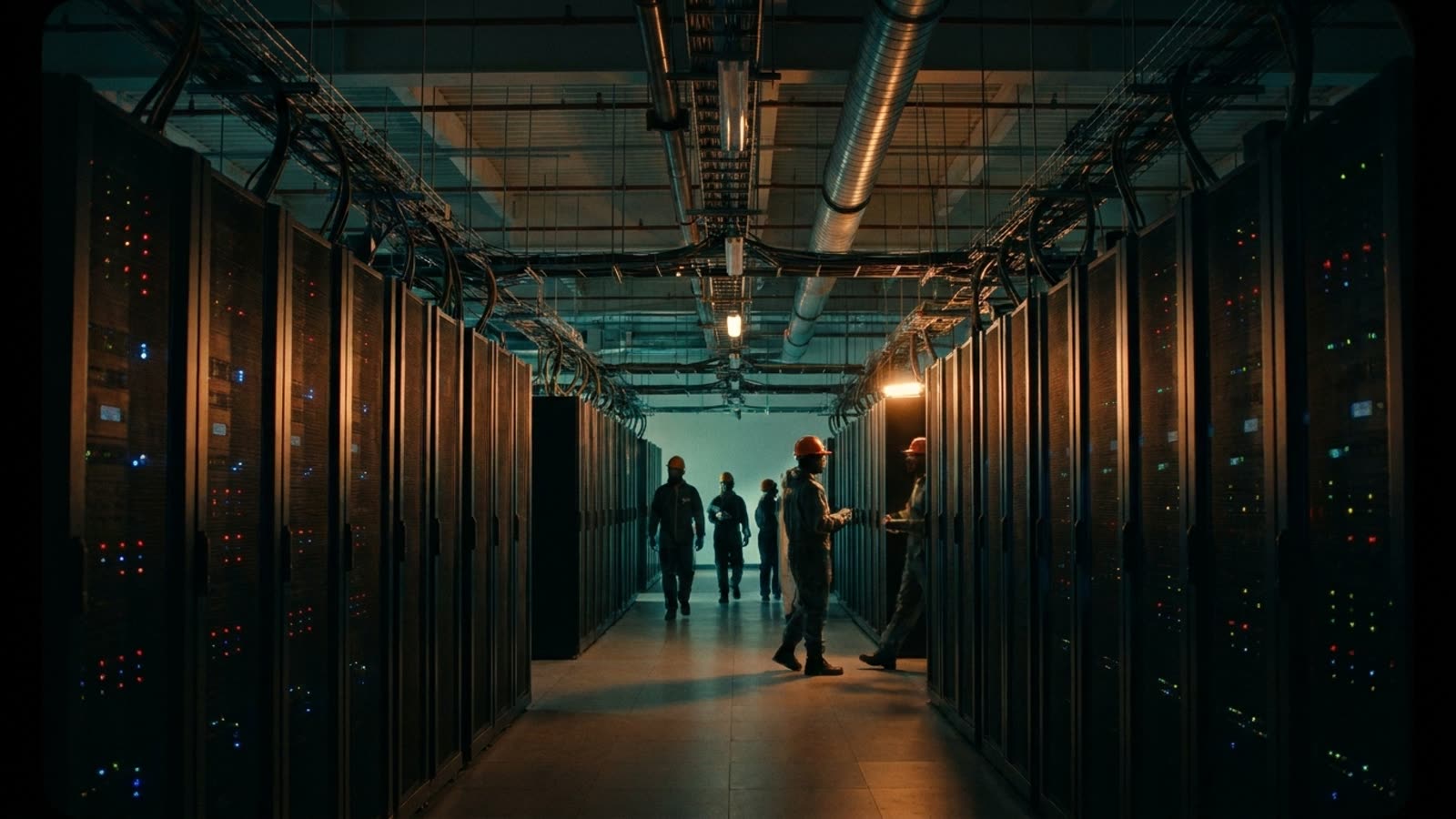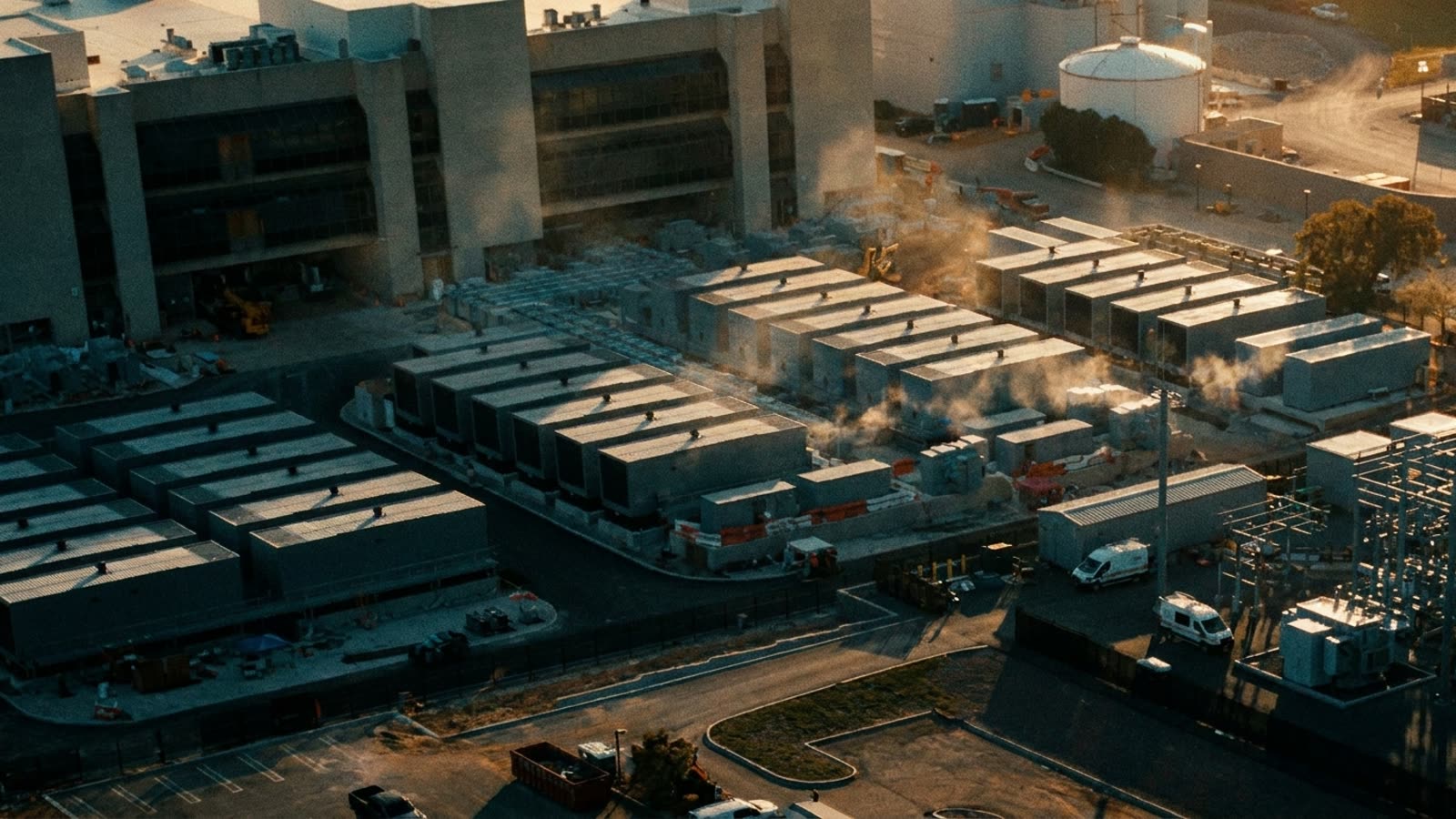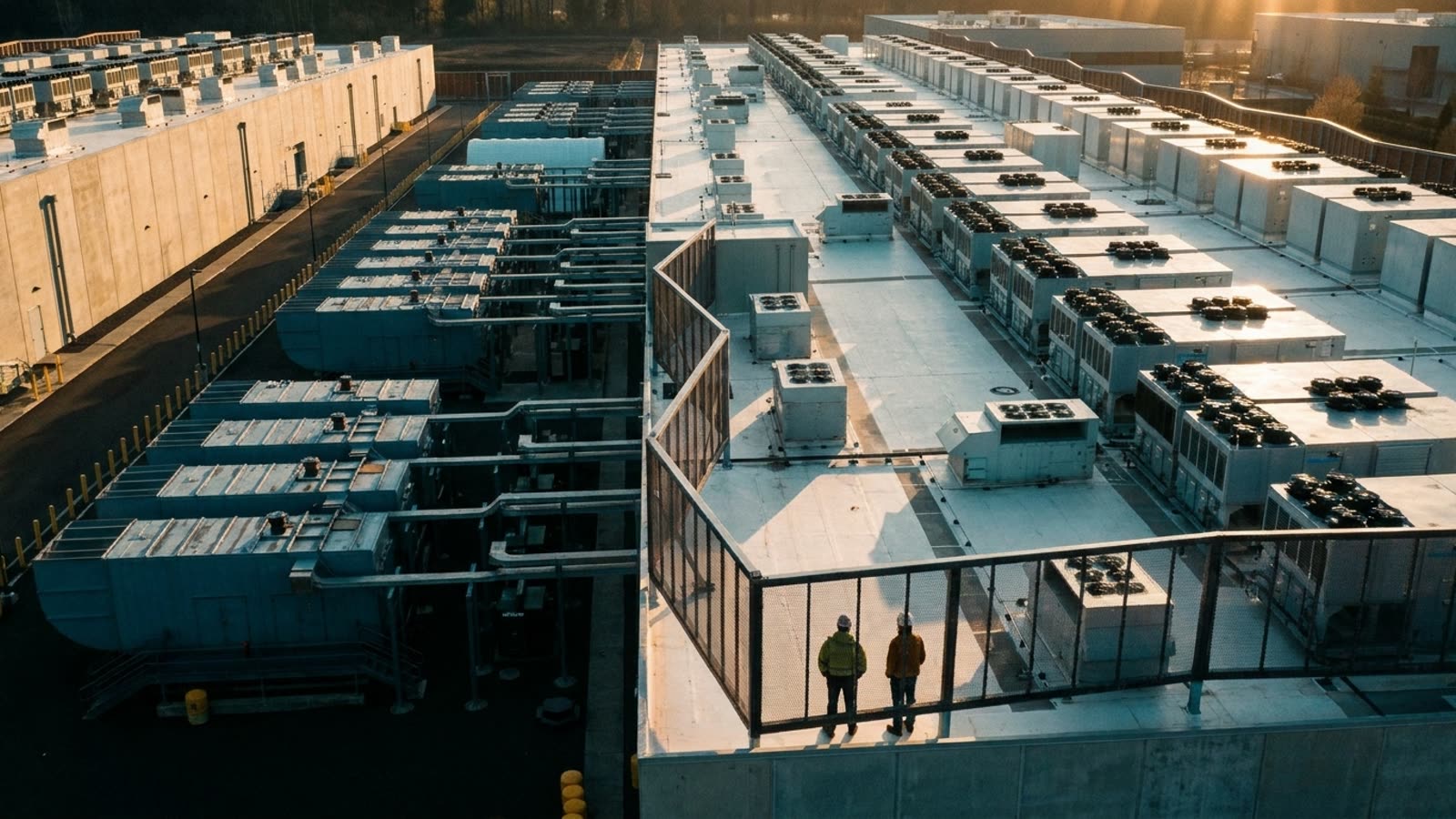
The artificial-intelligence industry has a land problem, and it just got worse.
In Menomonie, Wisconsin—population 17,000, best known for the University of Wisconsin-Stout and a picturesque stretch of the Red Cedar River—residents have successfully blocked a proposed $1.6 billion data-center campus. The project, shrouded in the kind of secrecy that has become standard for hyperscale developers courting tax incentives, never publicly identified its ultimate tenant. That opacity proved fatal. Local organizers, led in part by recent college graduates with no prior activism experience, mounted a campaign that turned municipal indifference into outright rejection.
The playbook that failed
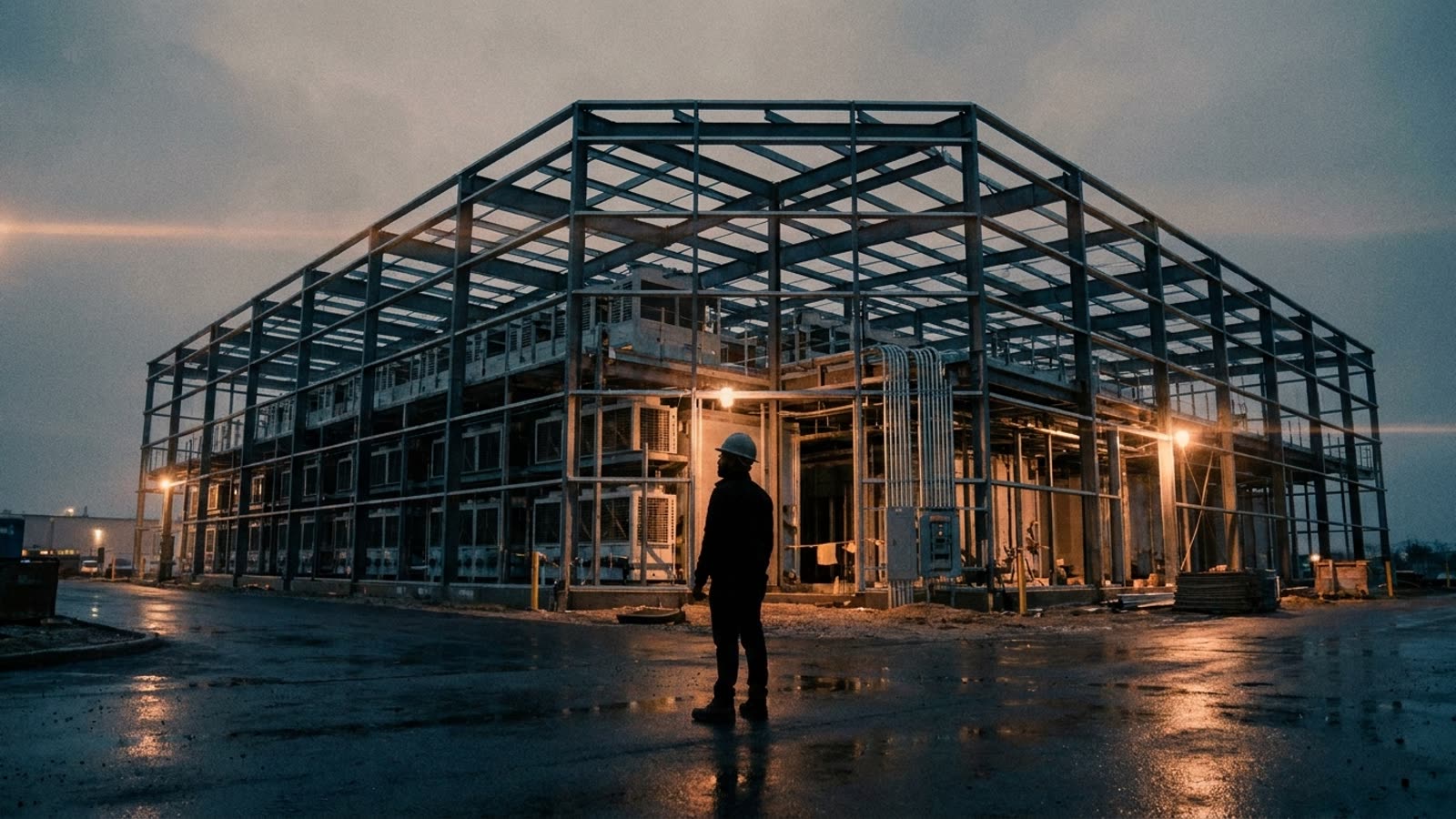
Data-center developers have grown accustomed to a particular script: approach rural communities quietly, dangle job numbers and property-tax windfalls, secure approvals before opposition can coalesce, then reveal the marquee tenant—Amazon, Microsoft, Google—once concrete is being poured. The strategy has worked from Virginia's Loudoun County to the cornfields of central Ohio. Menomonie's opponents flipped the script by demanding transparency before any vote. When developers declined to name the end client or provide detailed environmental-impact assessments, skeptics framed the silence as contempt for democratic process rather than competitive necessity.
The timing mattered too. Nationally, concerns about data centers have shifted from abstract complaints about aesthetics to concrete anxieties about water usage, grid strain, and the carbon footprint of training ever-larger AI models. Menomonie sits near the Chippewa River watershed; residents invoked drought summers and municipal water limits. The arguments landed differently than they might have five years ago.
What the industry loses
For AI companies racing to expand inference and training capacity, every stalled project means longer queues for GPU clusters. The major cloud providers have committed tens of billions in capital expenditure through 2028; those dollars need somewhere to go. If rural resistance spreads—and Menomonie's playbook is already circulating among activists in Iowa, Texas, and Georgia—the bottleneck shifts from chip supply to permitting. That is a slower, messier constraint to solve.
The episode also complicates the political narrative. Tech lobbyists have pitched data centers as a bipartisan win: blue-state innovation funding red-state construction jobs. Menomonie suggests the coalition is fragile. When locals perceive that the benefits flow to distant shareholders while the burdens—noise, traffic, aquifer depletion—stay home, the calculus changes.
Our take
Menomonie is not an anti-technology story; it is a governance story. The AI industry's preference for opacity collided with a community that decided opacity itself was disqualifying. Other developers would be wise to notice. The next billion-dollar campus may require something the sector has rarely offered: a genuine public case for why the trade-offs are worth it. Secrecy was a feature of the old playbook. It is becoming a liability.