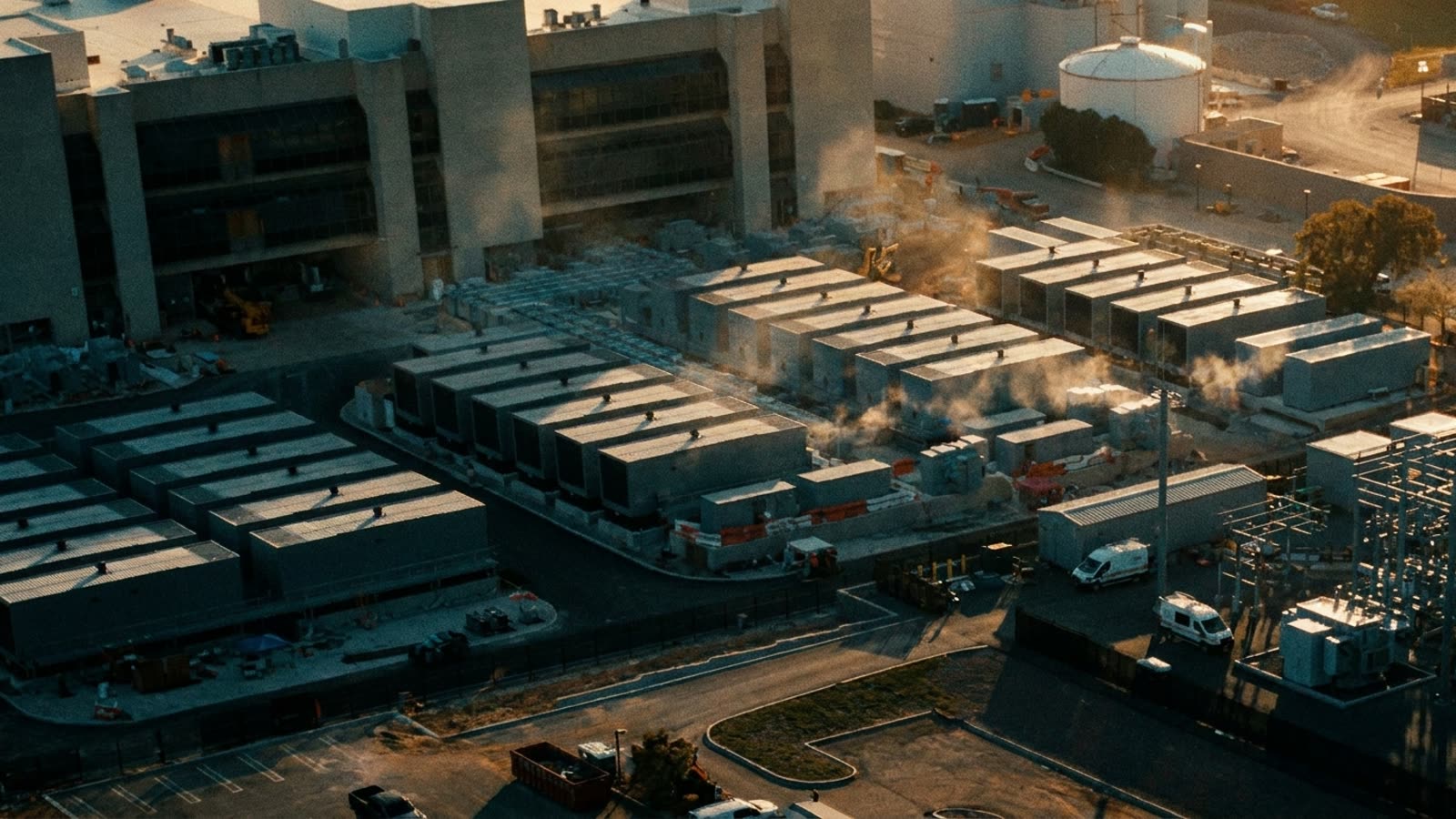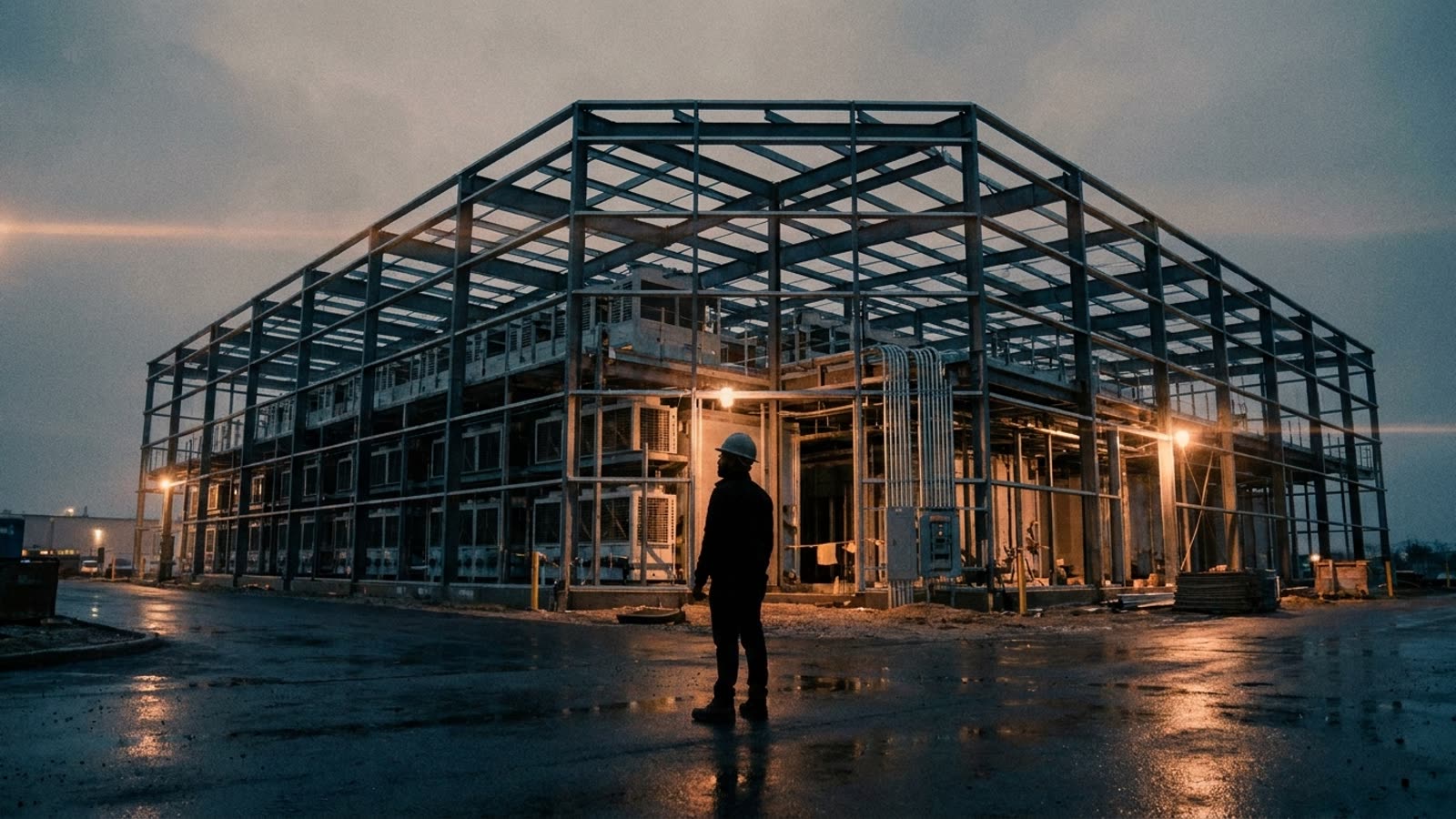
The companies bankrolling the physical backbone of artificial intelligence are names most investors have never encountered—speciality lenders, private-credit funds, and infrastructure REITs whose prospectuses read like engineering manuals. Together they have extended tens of billions of pounds in debt to data-centre operators racing to meet hyperscaler demand. The problem: that demand is now being questioned, and the collateral is a warehouse full of GPUs that depreciate faster than a luxury sedan.
A leverage stack built on faith
Data centres are capital-intensive by design. A single facility can cost north of a billion dollars before it processes a single inference call. Operators have financed this build-out with floating-rate debt, betting that long-term cloud contracts would cover interest payments. But as Wall Street's patience with Big Tech's AI capital expenditure frays—evident in October's Nasdaq rout—those contracts are being renegotiated or delayed. Lenders who assumed guaranteed cash flows are now staring at covenant headroom that shrinks with every rate decision.
The secondary-market signal
Private-credit desks report that data-centre loan paper is trading at discounts not seen since the 2022 rate-shock. Buyers are scarce; sellers are motivated. The dynamic echoes the early stages of the commercial-real-estate distress cycle, except the underlying asset is harder to repurpose. A half-empty office tower can become apartments; a half-empty data hall is a very expensive heating system. Refinancing risk is acute for facilities completed in 2025 that assumed immediate hyperscaler uptake.
Regulatory attention, belatedly
Financial regulators in London and Washington have begun asking questions about concentration risk. The Bank of England's November Financial Stability Report is expected to include a box on "non-bank exposure to technology infrastructure." Whether that translates into macroprudential action is unclear, but the mere mention could tighten credit conditions further, creating the very stress it seeks to prevent.
Our take
The AI revolution may well justify its hype in the long run, but revolutions are financed on margin, and margin calls do not wait for product-market fit. The obscure lenders now sweating their data-centre books are canaries in a coal mine that Big Tech would prefer you ignore. If a few of them wobble, the contagion will not stay obscure for long.