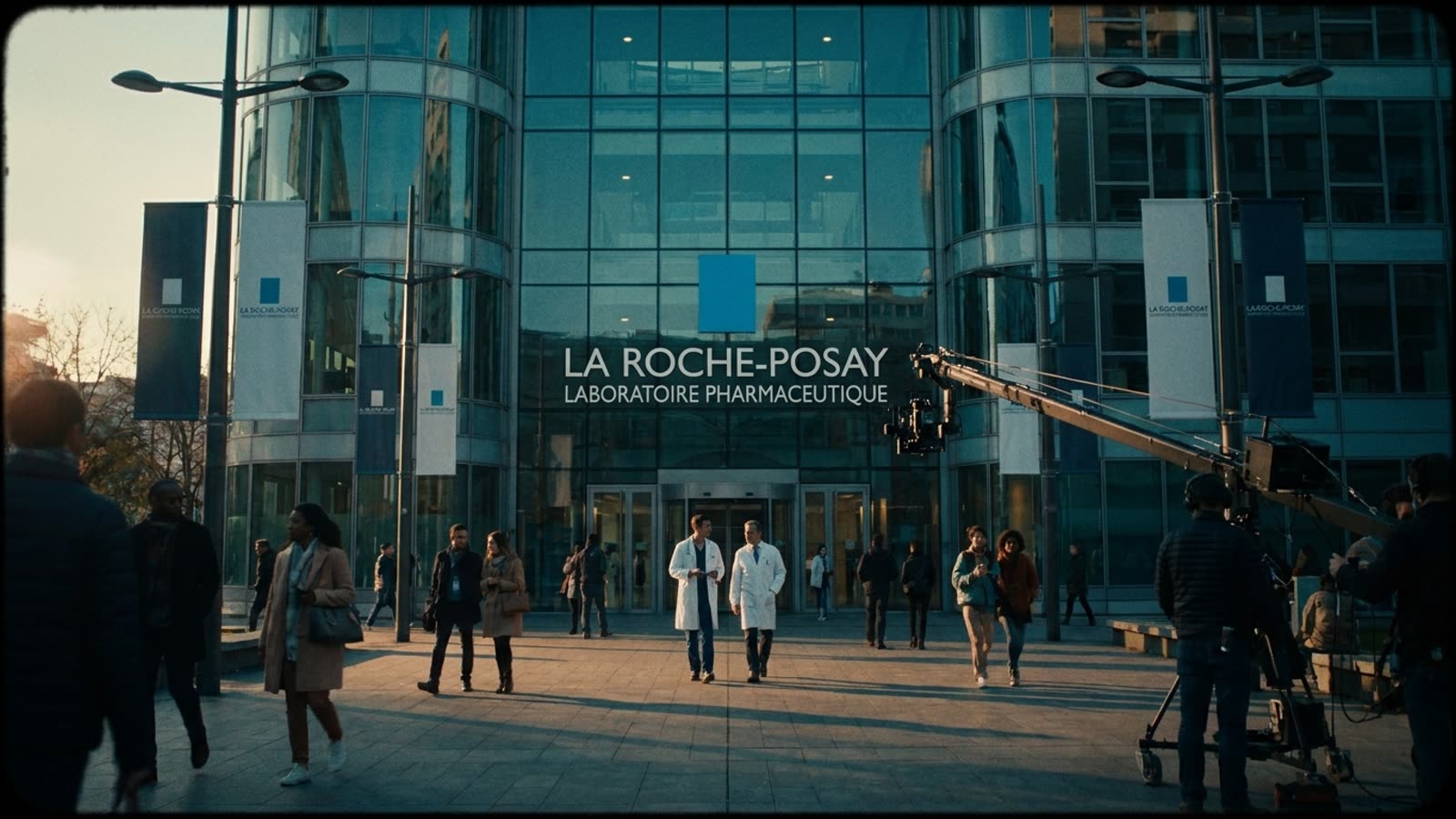
The most influential shift in American skincare over the past two decades was not engineered in a gleaming laboratory or unveiled at a fashion week afterparty. It happened in fluorescent-lit pharmacies across France, where brands like La Roche-Posay, Avène, and Bioderma developed products for people with actual skin problems—rosacea, eczema, post-surgical sensitivity—and priced them like the medical necessities they were. That these utilitarian formulations would eventually become coveted objects in Brooklyn and Silver Lake, displayed on bathroom shelves like small trophies of discernment, says something profound about how taste operates in an age of infinite choice.
The French pharmacy phenomenon inverts nearly every principle of luxury marketing. The packaging is clinical, often ugly. The brand names are unpronounceable to American tongues. There are no celebrity ambassadors, no aspirational campaigns featuring women running through wheat fields. And yet these products command a devotion that prestige brands spend billions trying to manufacture.
The anti-marketing marketing
The genius of French pharmacy skincare is that it never tried to be desirable. La Roche-Posay was founded to treat patients at a thermal spring; Avène began as a hydrotherapy center. These origins confer a legitimacy that no amount of advertising can purchase. When a product's backstory involves dermatologists treating burn victims rather than influencers treating themselves to spa days, it carries a different kind of authority.
This medical heritage also explains the formulations themselves—high concentrations of active ingredients, minimal fragrance, rigorous testing on sensitive skin. American consumers, increasingly educated about ingredients through online communities and skeptical of marketing claims, recognized that these products delivered what prestige brands merely promised. The internet accelerated this recognition dramatically, as forums and eventually social media became spaces where ordinary people could share clinical results rather than brand narratives.
The sophistication of not trying
There is a particular kind of consumer—educated, somewhat contrarian, allergic to being sold to—for whom the French pharmacy aesthetic is irresistible precisely because it does not court them. Buying Bioderma micellar water is a way of signaling that you have done the research, that you are not swayed by pretty packaging, that you understand the difference between marketing and efficacy. It is, paradoxically, a status symbol for people who believe themselves immune to status symbols.
This dynamic has created a strange inversion in the skincare market. Luxury brands now rush to emphasize their clinical credentials and strip down their packaging, chasing an authenticity that French pharmacies achieved by never thinking about authenticity at all. The imitators miss the point: you cannot engineer indifference to being desired.
Our take
The French pharmacy conquest reveals a deeper truth about contemporary taste: in a world saturated with marketing, the most powerful brand strategy may be having no brand strategy at all. These products succeeded because they were made for a purpose other than being purchased—and that purposefulness became, in the end, the most seductive quality of all. The bathroom shelf lined with La Roche-Posay and Avène is not a rejection of consumerism; it is consumerism for people who have read enough to know what they are consuming. Which is, perhaps, the most sophisticated con of all.