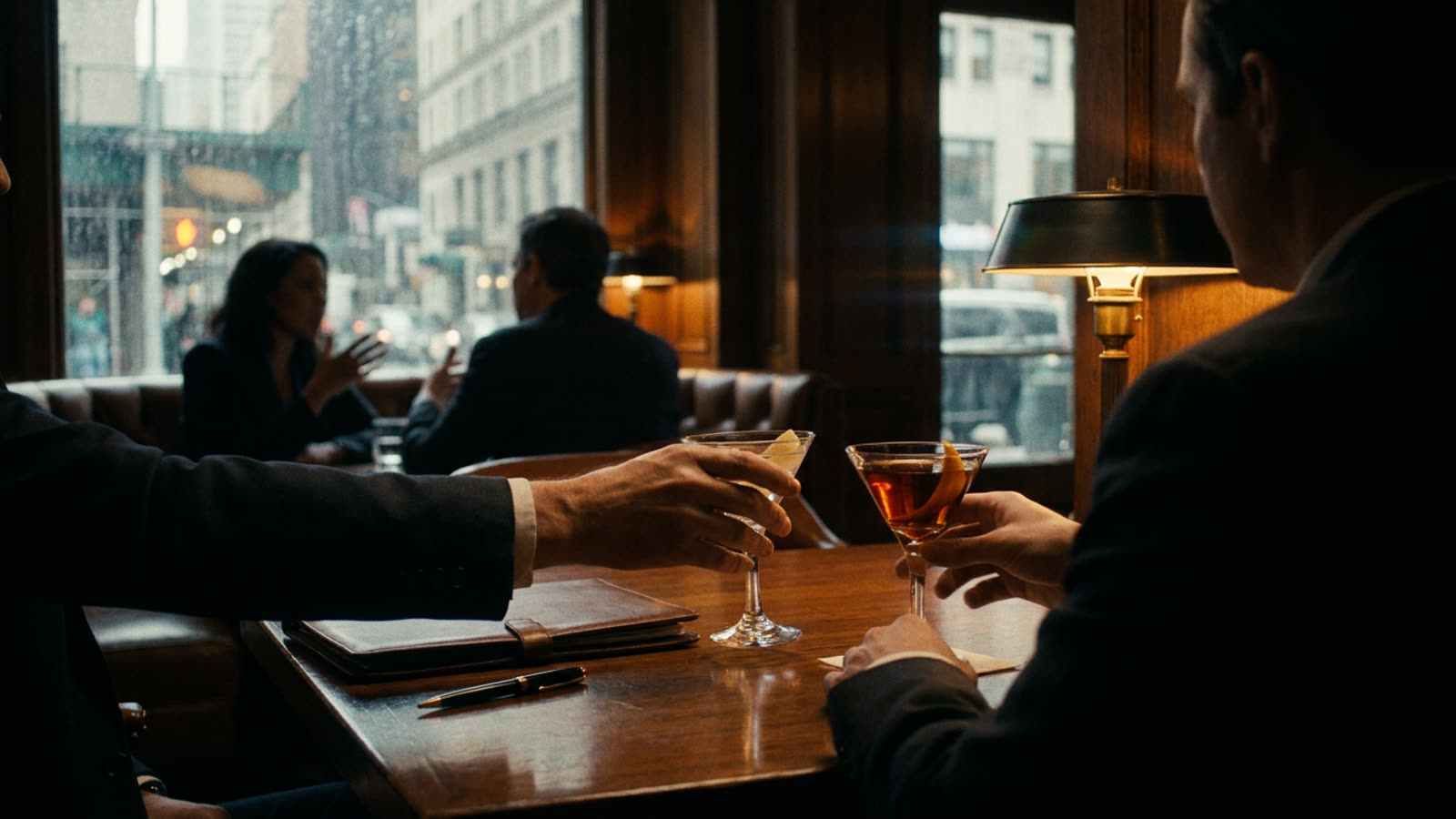
There is a particular kind of freedom in walking into a hotel you are not staying at, settling into a leather banquette, and ordering a cocktail as though you belong. You do belong, of course — that is the entire point. The hotel bar asks nothing of you except the price of a drink and a basic adherence to social norms. No membership committee will review your application. No algorithm will decide if you deserve a reservation. You simply arrive.
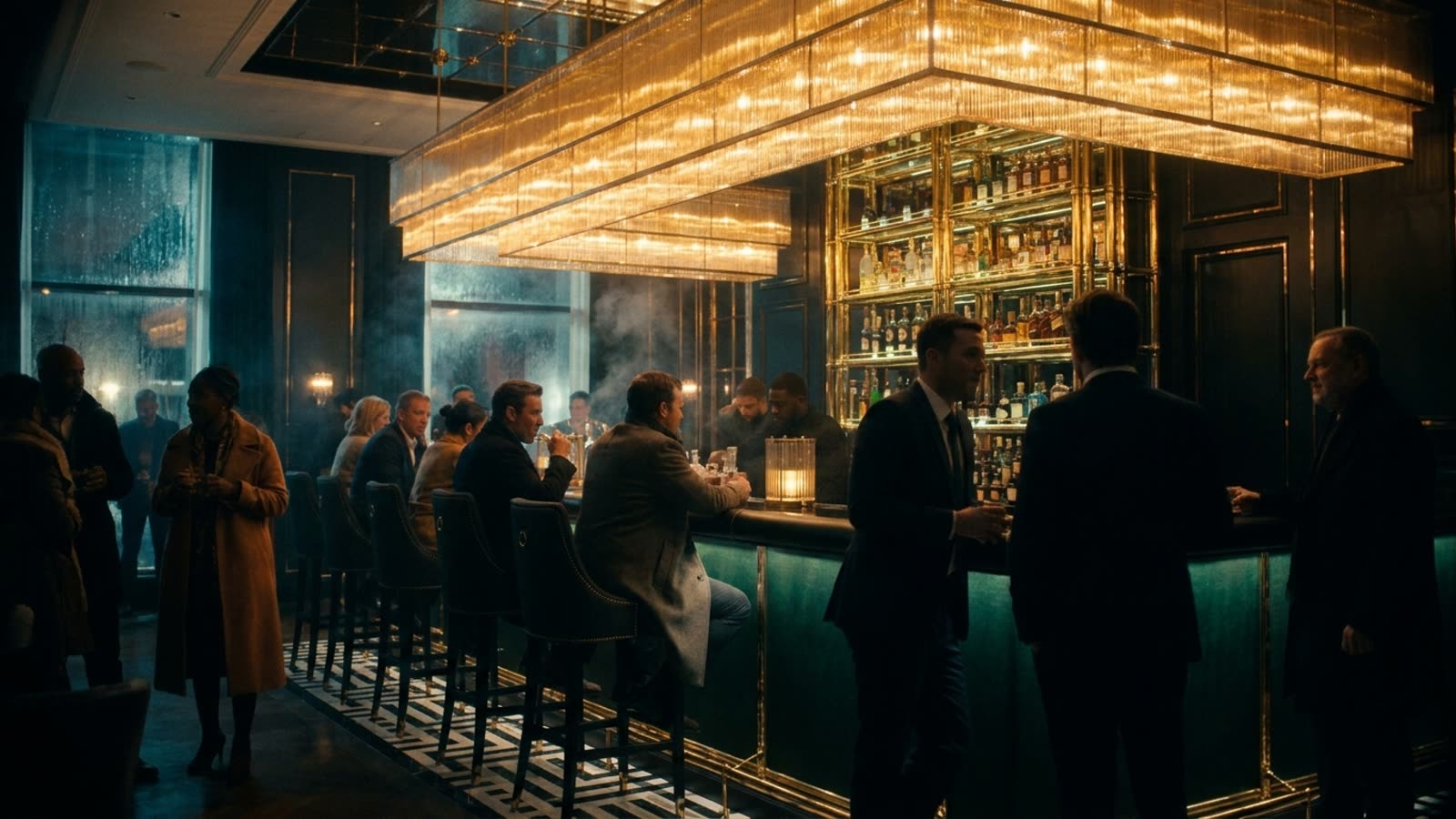
This radical accessibility has made the hotel bar an endangered species in theory and a resilient survivor in practice. As exclusivity becomes the dominant currency of contemporary hospitality — from Soho House's velvet ropes to the impossible reservations at omakase counters that seat eight — the grand hotel lobby bar persists as a space where a tourist, a local, a billionaire, and a journalist might occupy adjacent stools.
The economics of elegant indifference
Hotel bars operate under a different financial logic than standalone establishments. They are loss leaders, atmosphere generators, the olfactory and visual cue that tells arriving guests they have entered somewhere worth the room rate. The Bemelmans Bar at the Carlyle does not need to maximize table turnover; it needs to make you feel that staying at the Carlyle is worth whatever the Carlyle costs. This liberates hotel bars from the tyranny of the reservation book. They can afford to let people linger.
The business model also explains their aesthetic conservatism. Where independent cocktail bars chase trends — the speakeasy phase, the natural wine pivot, the non-alcoholic moment — hotel bars tend toward a deliberate timelessness. Dark wood, soft lighting, bartenders in waistcoats. The Connaught in London has served essentially the same martini ritual for decades, and this is precisely the point. You are not paying for innovation. You are paying for the assurance that some things remain constant.
A refuge from the curated self
The hotel bar's other advantage is anonymity. In an age when every restaurant visit becomes content, when influencers negotiate comped meals for coverage, the hotel bar offers a kind of invisibility. You are passing through. You might be anyone. The bartender will not remember you unless you want to be remembered, and even then, discretion is part of the professional code.
This makes hotel bars natural habitats for certain transactions that require neutral ground: the job interview that cannot happen at the office, the affair that cannot happen at home, the deal that benefits from plausible deniability about its location. Novelists understood this long before hospitality consultants did. The hotel bar is where characters go to become temporarily untethered from their regular lives.
Our take
The persistence of the hotel bar suggests something heartening about human nature: we still crave spaces that are public without being performative, luxurious without being exclusive, social without being networked. In a hospitality landscape increasingly organized around scarcity and status, the hotel bar's fundamental promise — come in, sit down, have a drink — feels almost subversive. It is democracy with a dress code, and that may be the most sustainable luxury of all.