The Aperol Spritz is not a particularly good drink. It is too sweet, too fizzy, and too orange to qualify as sophisticated. Serious bartenders have long dismissed it as training wheels for adults who find wine intimidating. And yet, somehow, this garish concoction has become the most photographed cocktail on earth, the unofficial beverage of every rooftop bar from Brooklyn to Barcelona, and a genuine cultural phenomenon worth examining.
The drink's triumph is not a mystery if you understand what it actually sells: permission.
The anatomy of accessibility
Aperol was invented in Padua in 1919 by the Barbieri brothers, who wanted an aperitivo bitter enough to stimulate appetite but gentle enough for anyone to drink. At 11 percent alcohol—roughly half the strength of Campari—it was designed from birth to be unthreatening. The spritz format, which adds prosecco and soda water, dilutes it further still. The result is a drink that barely qualifies as alcoholic, tastes vaguely of orange peel and training-wheel bitterness, and goes down like slightly sophisticated Fanta.
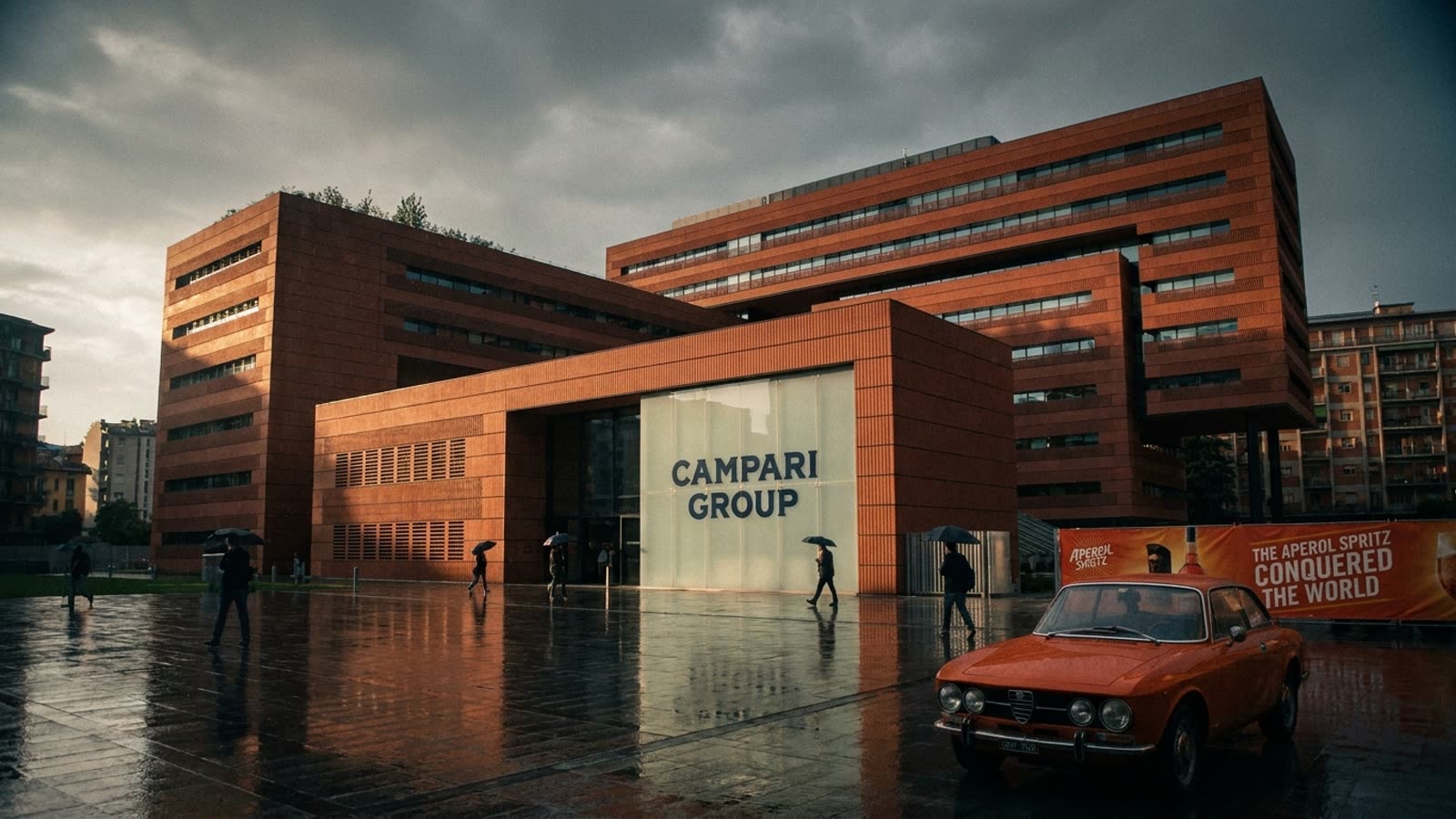
For decades, this made Aperol a regional curiosity, popular in the Veneto and largely unknown elsewhere. Then Campari Group acquired the brand in 2003 and began one of the most successful repositioning campaigns in spirits history. The strategy was brilliant in its simplicity: rather than compete with serious cocktails on flavor, they would compete on lifestyle. The Aperol Spritz became synonymous with a certain vision of European leisure—golden hour on a piazza, effortless glamour, the dolce vita available to anyone with eight dollars and a willingness to be seen.
The Instagram inflection point
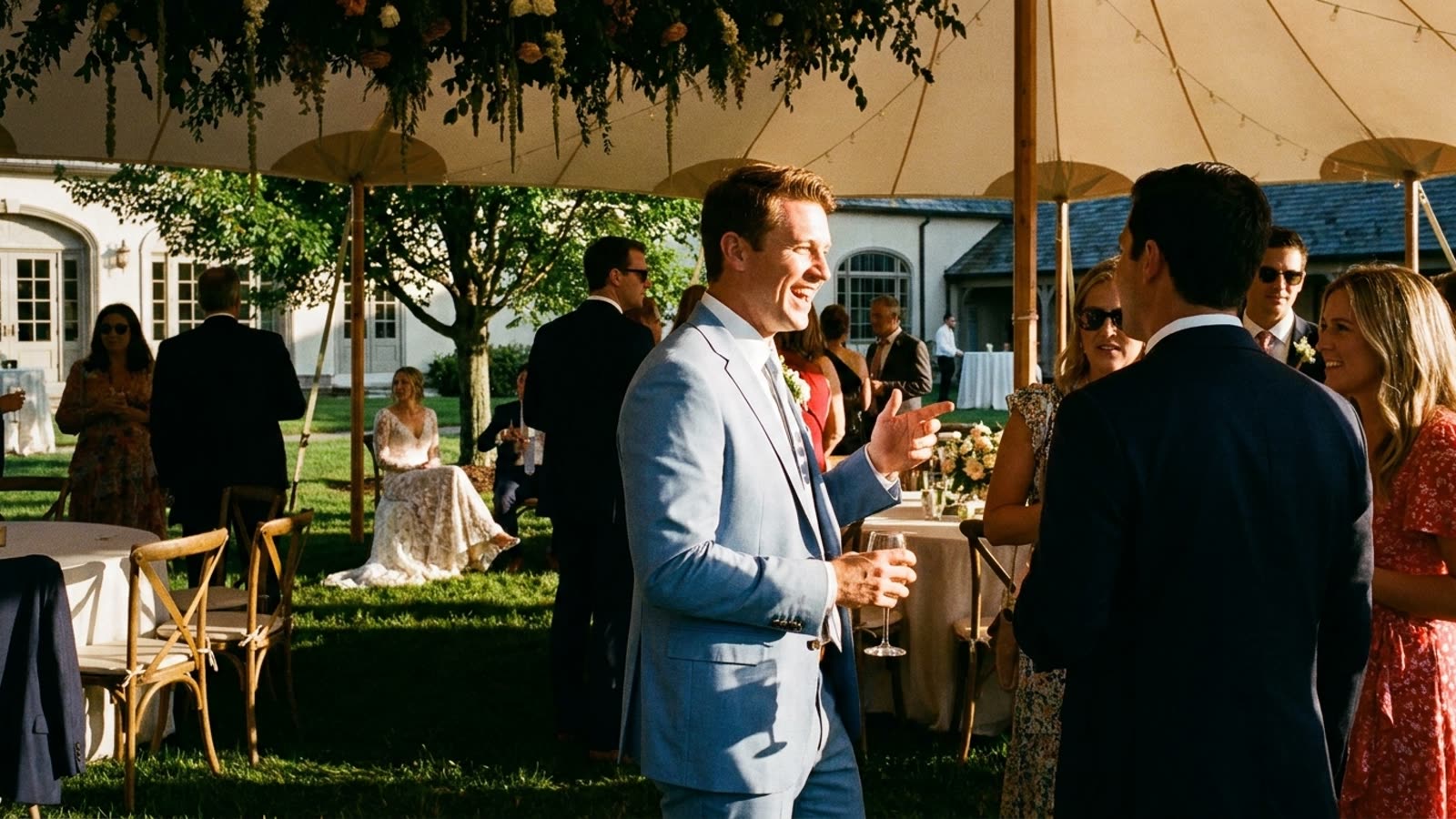
The drink's explosion tracked almost perfectly with the rise of visual social media. That radioactive orange color, so garish in person, photographs magnificently. A spritz in hand became shorthand for a particular kind of aspirational moment: I am relaxed, I am cultured, I am having the European experience. The drink functions less as a beverage than as a prop in an ongoing performance of leisure.
This explains why the infamous 2019 New York Times article calling the spritz "not a good drink" provoked such fury. The backlash was not really about taste—most spritz defenders would privately concede it is not complex. The anger came from feeling judged for participating in a harmless pleasure, for choosing vibes over sophistication. The Times had committed the cardinal sin of taking seriously something that was never meant to be taken seriously at all.
The democracy of mediocrity
There is something genuinely democratic about the spritz's dominance. Unlike craft cocktails that require knowledge to order and appreciate, the spritz asks nothing of you. You do not need to know what you like. You do not need to perform expertise. You simply point at the orange drink everyone else is having and join the party. In an era of exhausting optimization—the right coffee, the right workout, the right podcast—the spritz offers relief from the tyranny of discernment.
Our take
The Aperol Spritz is the sweatpants of cocktails: comfortable, unpretentious, and honestly more appealing than its critics want to admit. Its conquest of global drinking culture says less about declining taste than about the genuine human need for low-stakes pleasures. Not every drink needs to be a statement. Sometimes you just want to sit in the sun with something cold and orange and feel, for an hour, like someone who has figured out how to relax. The spritz understood this before the rest of us did.