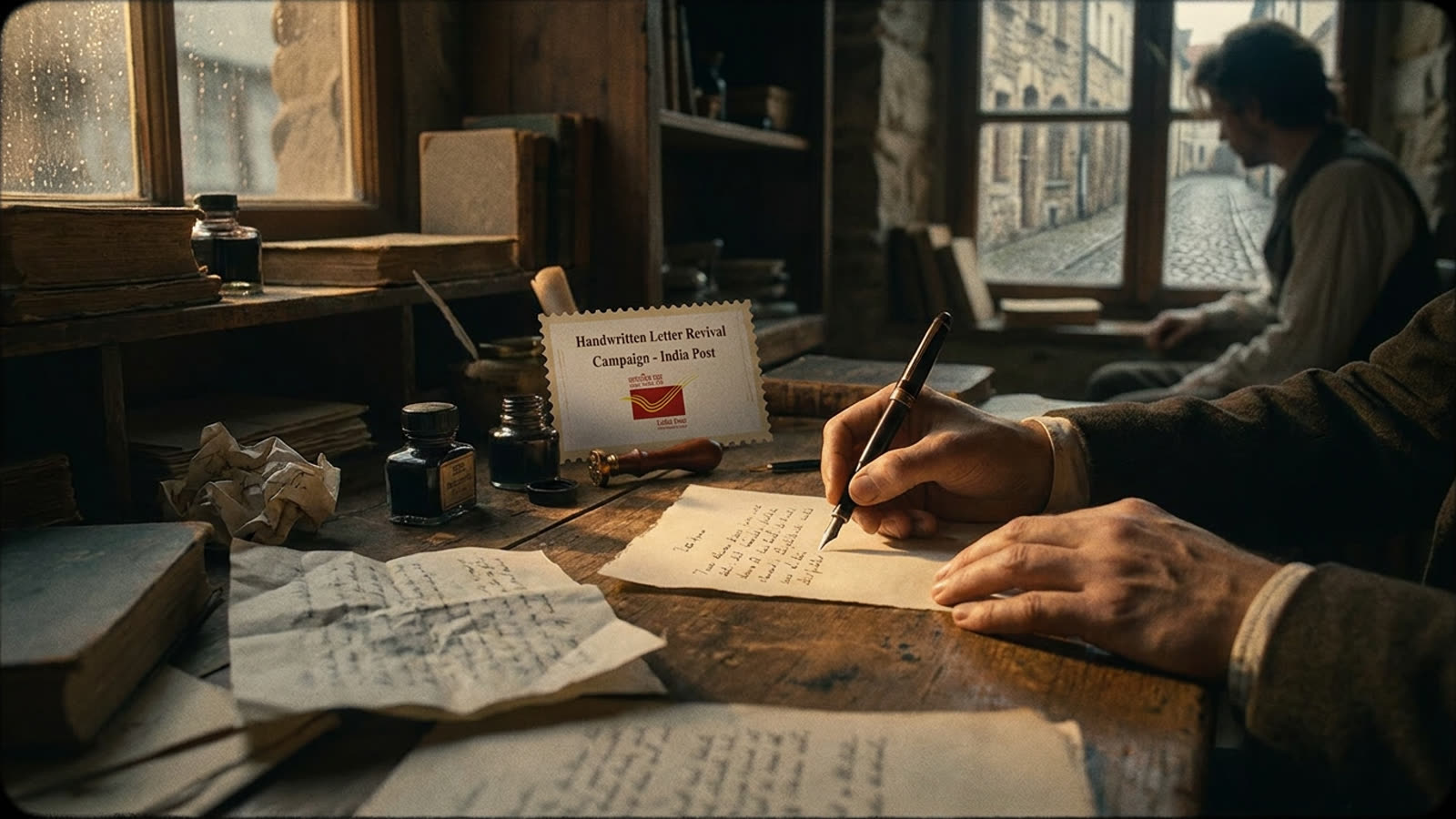
There is something almost transgressive about sitting down to write a letter by hand. The act demands what modern life conspires to eliminate: sustained attention, physical stillness, the willingness to commit thoughts to a medium that cannot be edited, deleted, or unsent. And yet, despite decades of predictions about its demise, personal correspondence persists—not as a nostalgic hobby for the elderly, but as a deliberate practice among people who have grown weary of the infinite scroll.
The appeal is partly tactile. A handwritten letter arrives as an object, not a notification. It has weight, texture, the faint indentations where the pen pressed harder. It cannot be forwarded to a group chat or screenshotted for posterity. This very inefficiency is the point. In an economy where attention is the scarcest resource, a letter represents an almost extravagant gift of time.
The economics of slowness
Luxury brands have noticed. High-end stationery has quietly become a growth category, with heritage papermakers and boutique letterpresses reporting steady demand from customers who once would have simply texted. The market for fountain pens, once assumed to be in terminal decline, has stabilized around a core of enthusiasts willing to spend serious money on instruments their grandparents took for granted. This is consumption as counter-programming—a rejection of the frictionless in favor of the deliberately difficult.
The phenomenon extends beyond individual practice. Correspondence clubs have emerged in major cities, their members meeting to write letters to strangers, prisoners, or simply to each other. The premise sounds almost absurdly wholesome, yet the waiting lists suggest genuine hunger for structured occasions to slow down.
What letters preserve
Historians will tell you that the shift from letters to email represented an enormous loss to the documentary record. Digital communication is theoretically permanent but practically ephemeral—trapped in defunct platforms, buried in unsearchable archives, subject to the whims of server maintenance. Letters, by contrast, survive. The correspondence of writers, artists, and ordinary people forms the backbone of how we understand the past. What will future historians make of a generation that communicated almost entirely through messages designed to disappear?
This archival dimension gives letter-writing an unexpected gravitas. To write a letter is to bet that someone, someday, might want to read it again. It is an act of faith in the future, and in the relationship the letter represents.
Our take
The revival of letter-writing is not a mass movement, and it will not displace the group chat. But its persistence reveals something important about what digital communication cannot provide: the sense that someone carved out time specifically for you, that your relationship merited the friction. In a world optimized for convenience, inconvenience has become a form of intimacy.