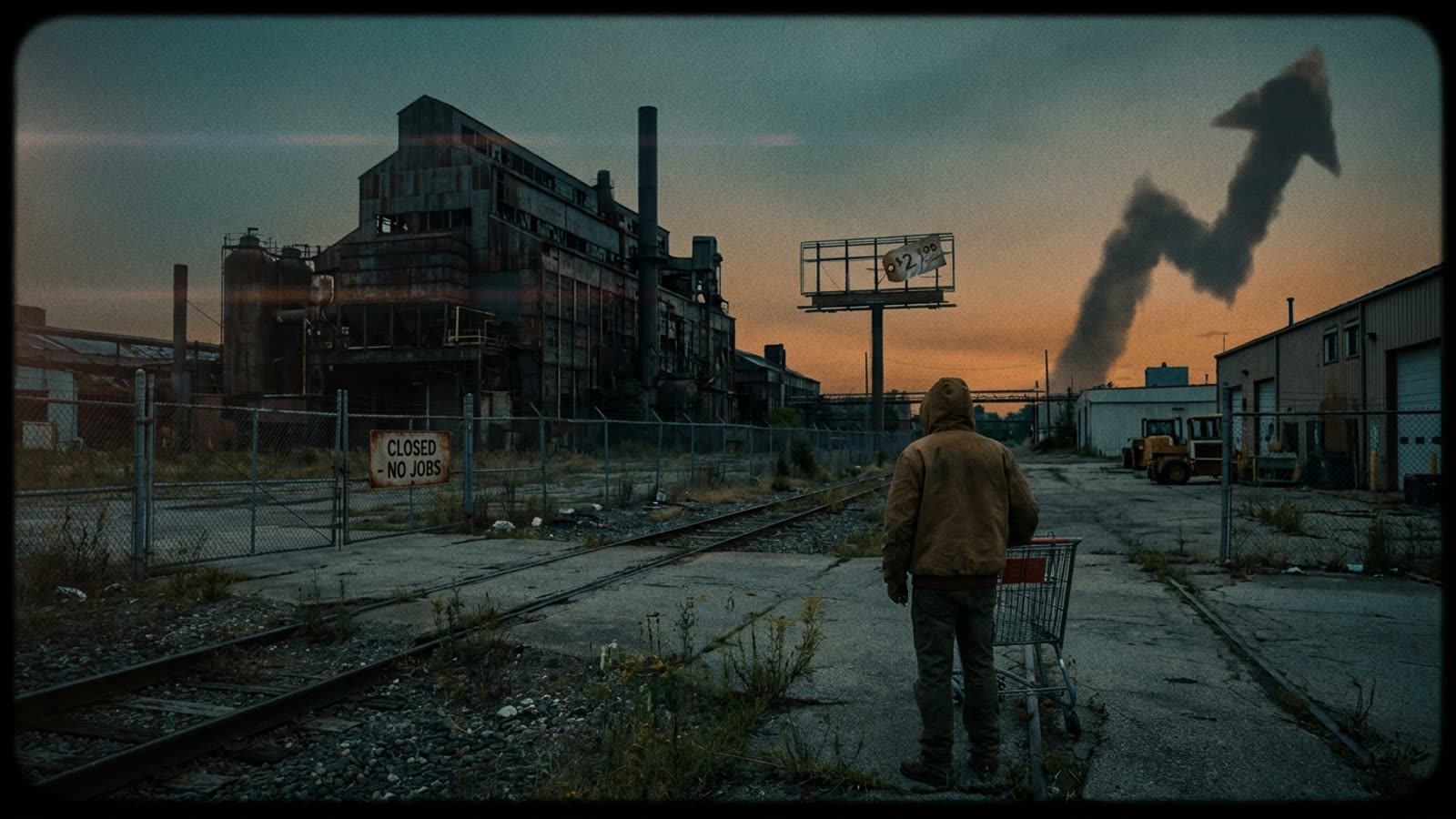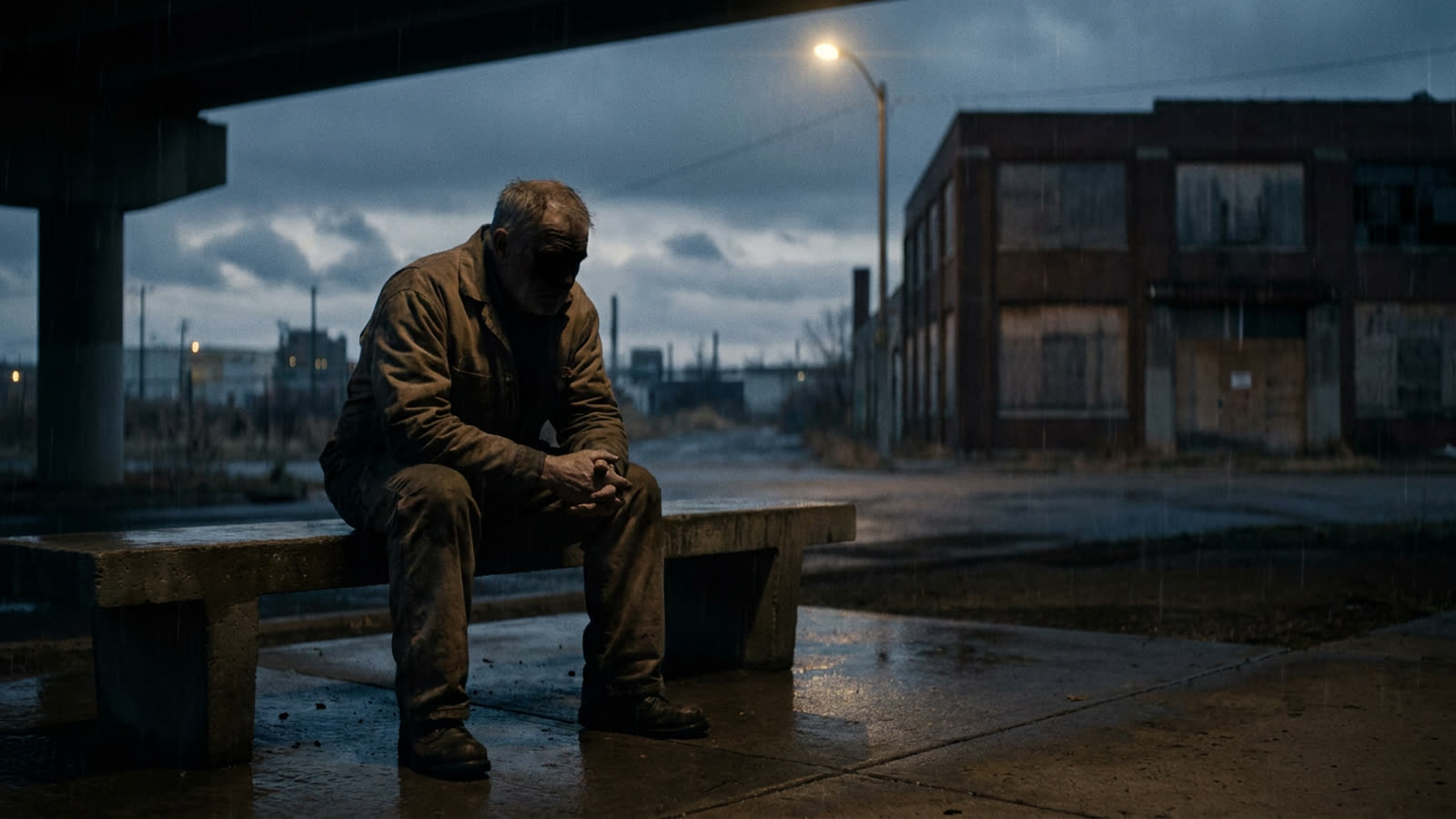
When economists announce that GDP has contracted by two percent, the number sounds almost manageable—a rounding error in a seventeen-trillion-dollar economy. Yet that same contraction can feel apocalyptic to the people living through it. The disconnect is not psychological weakness or economic illiteracy. It is arithmetic.
The cruelty of recessions lies in their distribution. Economic pain does not spread evenly across the population like a thin layer of discomfort. It concentrates with vicious intensity on a relatively small group while leaving most people merely anxious. Understanding this dynamic explains why recessions generate political earthquakes that their headline numbers would not predict.
The concentration problem
Consider what a two-percent GDP decline actually means in practice. The economy does not shrink by having everyone earn two percent less. Instead, roughly eight to ten percent of workers lose their jobs entirely while the remaining ninety percent continue largely as before, perhaps with frozen wages or reduced hours. For the employed majority, a recession is an abstraction—a reason to feel grateful and nervous. For the unemployed minority, it is a personal catastrophe.
This concentration effect compounds because job losses cluster in specific industries, regions, and demographics. Young workers entering the labor market during a downturn face diminished earnings for a decade or more. Manufacturing towns can lose their economic base permanently. The aggregate statistics capture none of this texture. They report an average that almost nobody actually experiences.
The wealth destruction multiplier
Beyond employment, recessions attack household balance sheets in ways that GDP figures barely register. A family's home equity can evaporate in months. Retirement accounts built over decades can lose a third of their value. Small business owners watch their life's work become worthless.
These wealth shocks create lasting behavioral changes. People who lived through severe downturns tend to save more, invest more conservatively, and spend more cautiously for the rest of their lives. The psychological scars outlast the economic recovery by generations. Researchers have documented these effects in populations that experienced the Great Depression, finding altered financial behavior persisting into the twenty-first century among people who were children during the nineteen-thirties.
The measurement blind spots
GDP itself misses much of what makes recessions painful. It does not capture the stress of wondering whether your job is next, the humiliation of asking relatives for money, or the long-term damage to children who grow up in households experiencing financial trauma. It does not measure the marriages that collapse under economic pressure or the health problems that multiply when people lose insurance coverage.
Nor does GDP register the quality degradation that accompanies downturns. People keep their jobs but take on heavier workloads. They maintain their homes but defer maintenance. They stay insured but switch to plans with higher deductibles. Life gets worse in ways that never appear in the national accounts.
Our take
The gap between recession statistics and recession experience is not a bug in economic measurement—it is a feature of how aggregate data necessarily works. But policymakers and commentators who treat GDP contractions as the definitive measure of economic distress consistently underestimate public anger and misread political moments. A two-percent decline sounds modest until you remember that it represents millions of individual disasters concentrated among people who did nothing to deserve them. The numbers are correct. They are also insufficient.