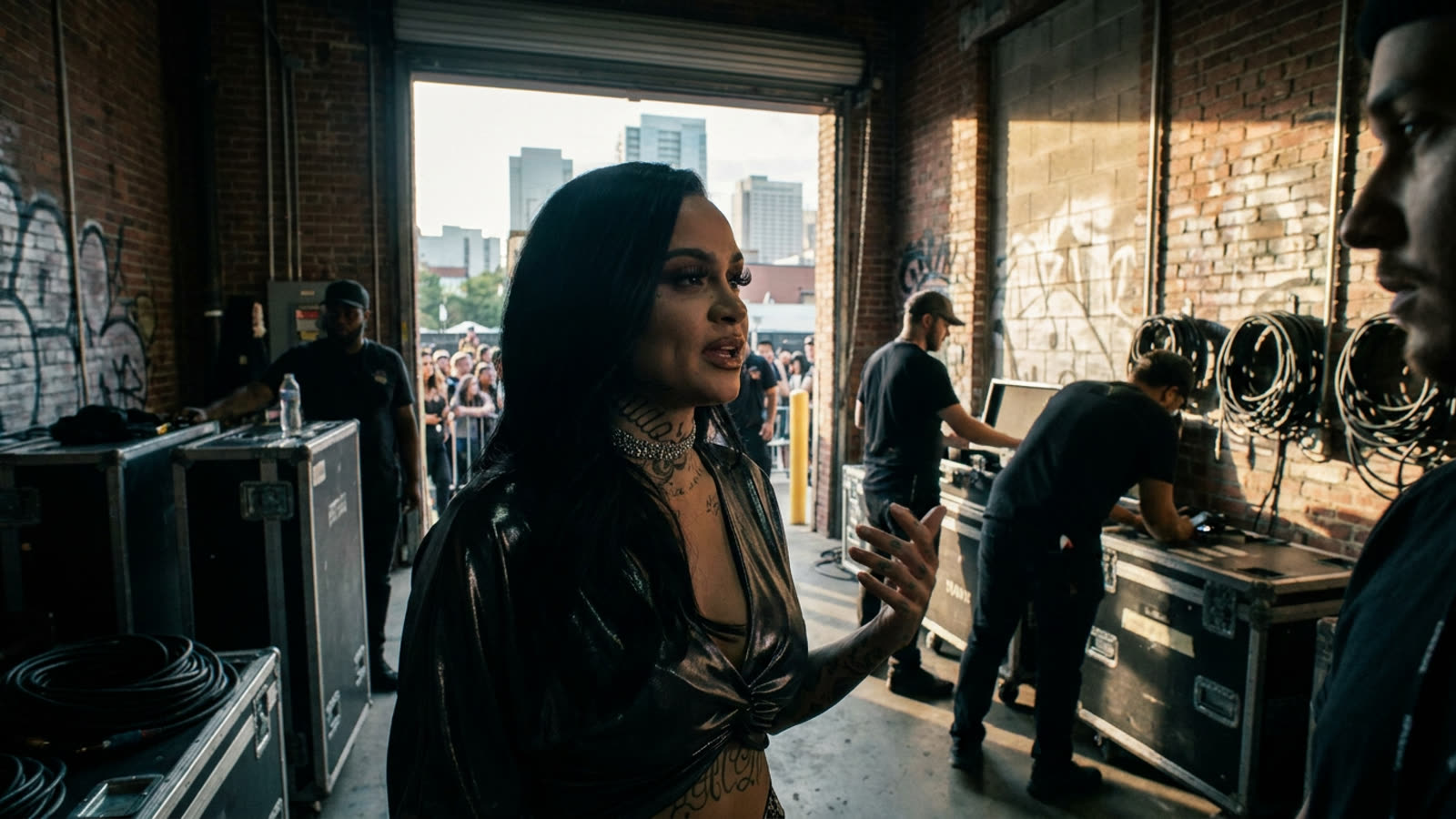
The formula is depressingly familiar: celebrity posts or is photographed looking noticeably different from an earlier era, outlet runs side-by-side comparison, comments section erupts with amateur forensic analysis of what work they've "obviously" had done. This week's subject is Kehlani, the R&B singer whose transformation from early-career photos to present day has prompted the inevitable "good genes or good docs?" discourse.
The singer, now 31, has never publicly addressed cosmetic procedure speculation — nor should they have to. But the ritual persists because it satisfies something uncomfortable in the cultural appetite: the desire to catch celebrities in the act of self-improvement, to expose the artifice behind the glamour.
The impossible calculus of famous faces
What makes the Kehlani conversation particularly absurd is the timeline involved. The comparison spans roughly a decade — from the singer's emergence as a teenager in the group Poplyfe to their current status as a Grammy-nominated solo artist. Human faces change dramatically between adolescence and the early thirties. Bone structure settles. Baby fat redistributes. Makeup techniques evolve. Professional lighting and photography improve.
But nuance doesn't generate engagement. The binary framing — "genes or docs" — flattens a complex reality into a gotcha game. It assumes that any visible change must be surgical, that aging naturally while also having access to professional styling, nutrition, and skincare is somehow implausible for someone who has spent their adult life in an industry that demands visual perfection.
The gendered weight of scrutiny
The speculation lands differently depending on who's being examined. Male celebrities age into "distinguished" and "silver fox" territory with minimal interrogation. Women and non-binary artists like Kehlani face a narrower corridor: change too much and you're "fake"; change too little and you're "letting yourself go." The acceptable range of transformation is vanishingly small.
Kehlani has been open about their journey with identity, coming out as lesbian in 2021 after years of public relationships with men. They've discussed mental health struggles, body image, and the pressures of visibility. None of this context matters to the comparison-photo industrial complex, which reduces a whole person to before-and-after evidence.
The cosmetic work question itself
Here's what rarely gets said: even if Kehlani has had cosmetic procedures, so what? The normalization of such work among celebrities is so complete that the "exposure" carries little actual scandal. What remains is pure voyeurism dressed as curiosity — the pleasure of scrutinizing someone's face for signs of intervention, of feeling briefly superior for having "caught" them.
The more honest conversation would acknowledge that celebrities exist in a visual economy that punishes imperfection while simultaneously punishing visible correction. The game is rigged, and the endless speculation about who's playing it is less journalism than blood sport.
Our take
Kehlani's face belongs to Kehlani. Whatever combination of genetics, aging, makeup, lighting, and yes, possibly professional intervention has produced their current appearance is fundamentally none of our business. The "good genes or good docs" framing is lazy engagement bait that reveals nothing except our collective inability to let famous people simply exist. A decade of living changes everyone. The only thing that doesn't change is our tedious compulsion to police it.