The Producer Price Index rose 0.9 percent in April, the Bureau of Labor Statistics reported Wednesday, marking the fastest monthly increase since early 2022 and landing one day after consumer-price data showed headline inflation accelerating to 4.1 percent year-over-year. Together, the two releases form the clearest statistical portrait yet of how the war that began with the closure of the Strait of Hormuz is transmitting through the global economy and into the cost of doing business in the United States.
PPI measures what producers pay for inputs—energy, raw materials, intermediate goods—before those costs reach retail shelves. When it spikes, downstream price increases tend to follow within weeks. The April reading was driven overwhelmingly by energy, with refined petroleum products up 7.2 percent on the month, but the so-called core index, which strips out food and fuel, still rose 0.5 percent, suggesting the pressure is broadening.
The supply-chain mechanics
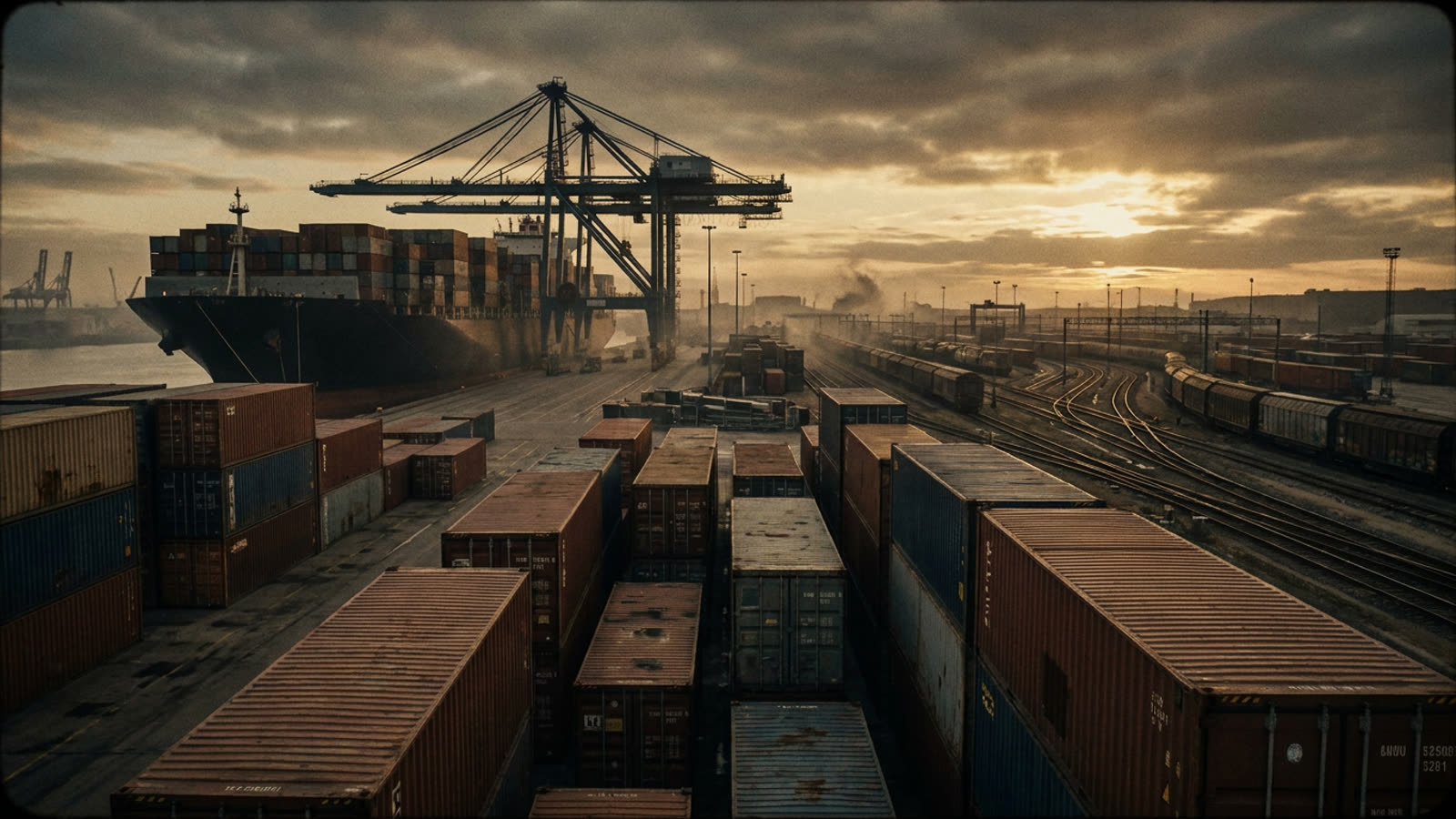
The Strait of Hormuz remains technically closed to commercial tanker traffic, and although Fatih Birol of the International Energy Agency coordinated a 60-million-barrel release from strategic reserves last month, the cushion is finite. Shipping insurers have repriced war-risk premiums across the Persian Gulf and Red Sea corridors, adding roughly $1.50 per barrel in freight costs even for cargoes that never transit the chokepoint. Those costs ripple outward: plastics, fertilizers, jet fuel, trucking diesel. American manufacturers, already contending with tariff uncertainty, are now absorbing energy-input inflation they cannot easily hedge.
The Fed's bind
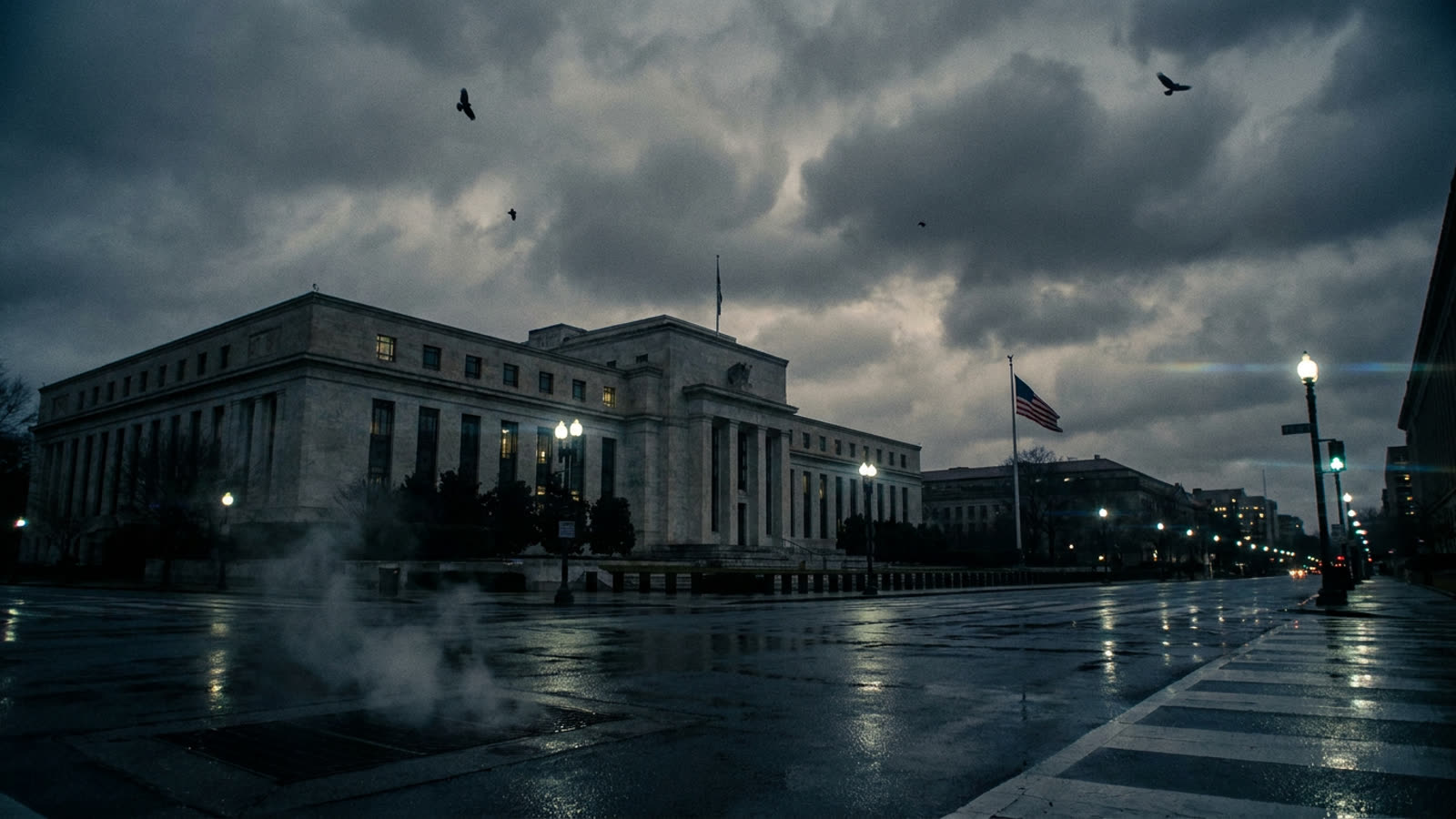
Chair Jerome Powell has spent the past two years insisting the central bank would not overreact to supply-driven price shocks. But the political environment has shifted. With the administration touting wartime resolve and Congress debating emergency energy legislation, the Fed faces pressure to demonstrate it is doing something—even if rate hikes would do little to unclog a shipping lane. Futures markets now price a 55 percent probability of a quarter-point increase at the June meeting, up from 30 percent a week ago. Higher borrowing costs would cool demand, but they would also strengthen the dollar, making American exports less competitive precisely when the trade balance is already strained.
What businesses are saying
Earnings calls this week from industrial bellwethers—Caterpillar, Deere, Union Pacific—have featured a common refrain: pricing power remains intact, but order visibility is deteriorating. CFOs are reluctant to commit to capital expenditure until they know whether the conflict will be measured in months or years. That hesitation, if it spreads, could slow the investment cycle that had been lifting productivity growth since the post-pandemic reopening.
Our take
Inflation is always a story about who bears the cost. For now, producers are passing higher input prices to consumers with relative ease, which is why corporate margins have held up. But the longer the supply shock persists, the more it will test that pass-through. At some point, demand destruction kicks in, inventories build, and the narrative flips from inflation to recession. We are not there yet—but Wednesday's data suggest the clock is ticking faster than policymakers would like to admit.