The financial industry's post-2017 promises of cultural transformation increasingly resemble the sector's other favorite product: debt that gets rolled over indefinitely, with the principal never quite coming due.
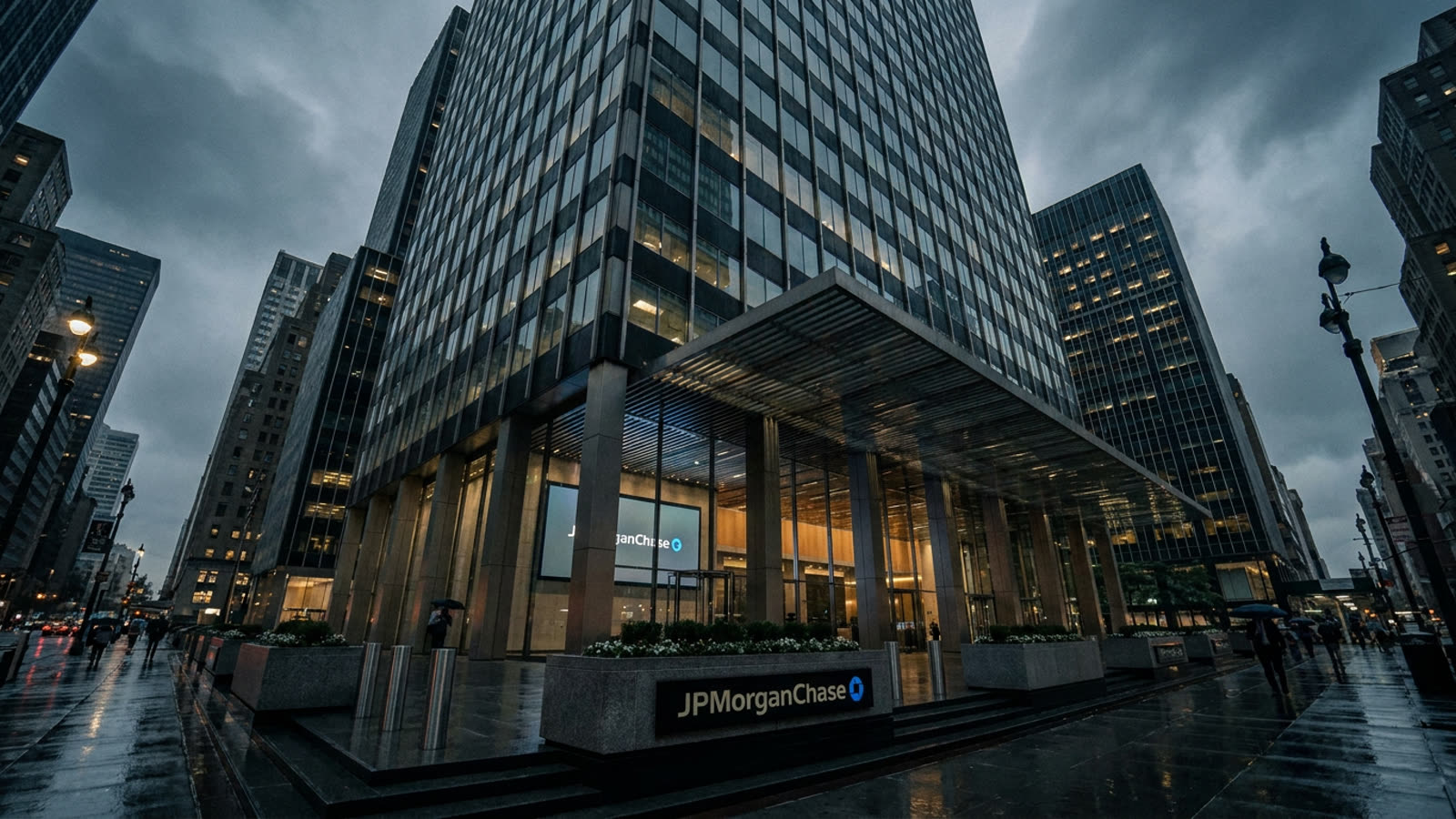
New allegations involving a JPMorgan Chase executive and a former subordinate arrive at a moment when Wall Street has spent nearly a decade insisting it has fundamentally changed. The major banks have hired chief diversity officers, mandated sensitivity training, and published glossy reports on workplace culture. Yet the complaints keep surfacing with a regularity that suggests these interventions function more as liability management than genuine reform.
The institutional arithmetic
JPMorgan, America's largest bank by assets, has weathered misconduct allegations before without meaningful damage to its franchise. The calculus is straightforward: the reputational cost of any individual incident is diffuse and temporary, while the cultural overhaul required to prevent such incidents would be expensive, disruptive, and uncertain in its returns. For a publicly traded institution answerable to quarterly earnings, the math rarely favors genuine transformation.
This creates what economists might call a moral hazard at the organizational level. When the penalties for cultural failure are manageable and the costs of cultural change are high, rational institutions will choose to manage incidents rather than prevent them. Compliance departments grow; behavior doesn't necessarily improve.
The broader pattern
Wall Street is hardly unique in facing this dynamic, but the financial sector's combination of extreme compensation, hierarchical power structures, and competitive intensity creates particular vulnerabilities. Junior employees depend on senior sponsors for bonuses, promotions, and career survival. The leverage is inherent to the business model.
The industry's response has been to layer process onto unchanged fundamentals—more hotlines, more training modules, more policies that employees click through without reading. These measures satisfy regulators and provide legal cover without addressing the underlying power asymmetries that enable misconduct.
Our take
The persistence of these allegations across firms and years suggests that Wall Street has treated its cultural problems the way it treats distressed assets: something to be restructured on paper while the underlying exposure remains. Until the industry faces consequences that actually threaten franchise value—whether through regulatory action, talent flight, or client defection—the pattern will continue. The banks have calculated, probably correctly, that the market doesn't price in culture.