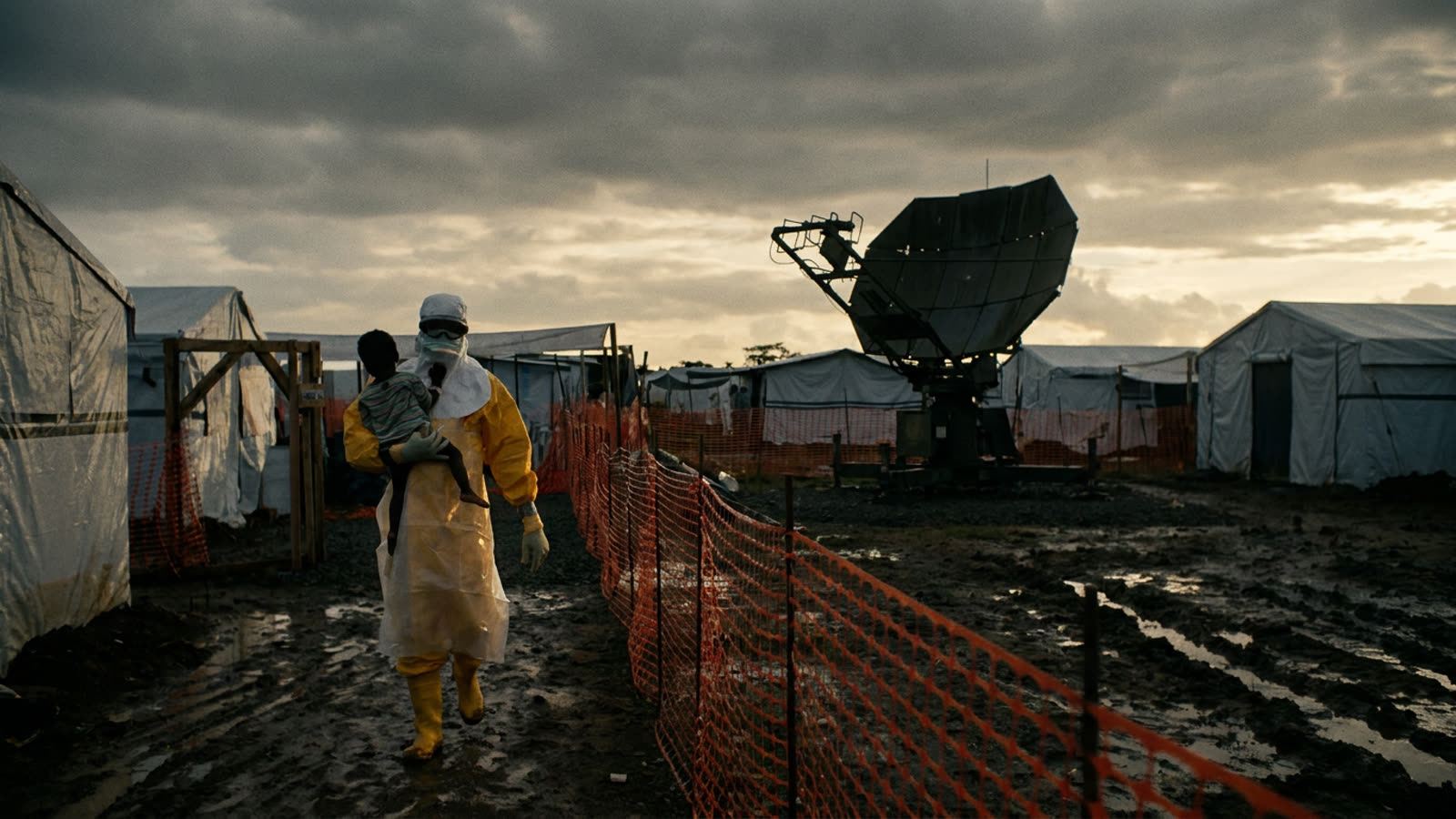
The World Health Organization's director-general is raising urgent concerns about the scale of the latest Ebola outbreak, a grim reminder that for all the billions poured into AI-powered disease surveillance since COVID-19, the technology remains better at generating investor decks than catching outbreaks before they spiral.
The death toll is climbing. The WHO is deploying emergency teams. And the sophisticated early-warning systems that were supposed to make pandemic surprise a relic of the pre-2020 world are, once again, playing catch-up rather than getting ahead.
The surveillance promise that never quite delivered
In the years following COVID-19, a cottage industry of AI-powered epidemic intelligence platforms emerged, each claiming to detect outbreaks faster than traditional public health channels. BlueDot, Metabiota (before its acquisition), and a dozen well-funded startups promised that machine learning applied to news reports, social media chatter, and airline data would give humanity a crucial head start.
The pitch was seductive: algorithms scanning the global information firehose would spot anomalies—unusual pneumonia clusters, suspicious livestock deaths, upticks in pharmacy purchases—days or weeks before official channels confirmed anything. Investors, still traumatized by the economic carnage of 2020, wrote large checks.
Yet here we are. The WHO is raising alarms through the same channels it has used for decades: official government reports, field epidemiologists, and press conferences. The AI early-warning revolution, if it is happening at all, is happening quietly enough that it has not changed the fundamental rhythm of outbreak response.
Why the gap persists
The problem is not that the technology does not work in laboratory conditions. It is that Ebola outbreaks tend to begin in regions with limited internet penetration, sparse social media usage, and health systems that may take days to confirm a hemorrhagic fever case through proper diagnostics. Algorithms trained on the information-rich environments of developed nations struggle when the signal is weak and the noise is overwhelming.
There is also a more uncomfortable truth: the AI systems that attract the most funding are those with commercial applications in wealthy markets. Predicting flu season timing for pharmaceutical supply chains is lucrative. Building robust surveillance for Ebola in remote African villages is not, at least not in terms that satisfy venture capital return expectations.
The result is a two-tier system. Rich countries get increasingly sophisticated predictive tools for diseases that mostly inconvenience rather than kill. Poor countries get the same WHO emergency response playbook that has existed, with incremental improvements, for decades.
Our take
The Ebola outbreak is a human tragedy first, but it is also a useful corrective to the techno-optimism that has dominated pandemic preparedness discourse. AI will eventually play a meaningful role in global health surveillance—the underlying capabilities are real. But the gap between what is technically possible and what is actually deployed where it matters most remains vast. Until that changes, the WHO's alarm bells will continue to sound the old-fashioned way: after the bodies have already started to pile up.