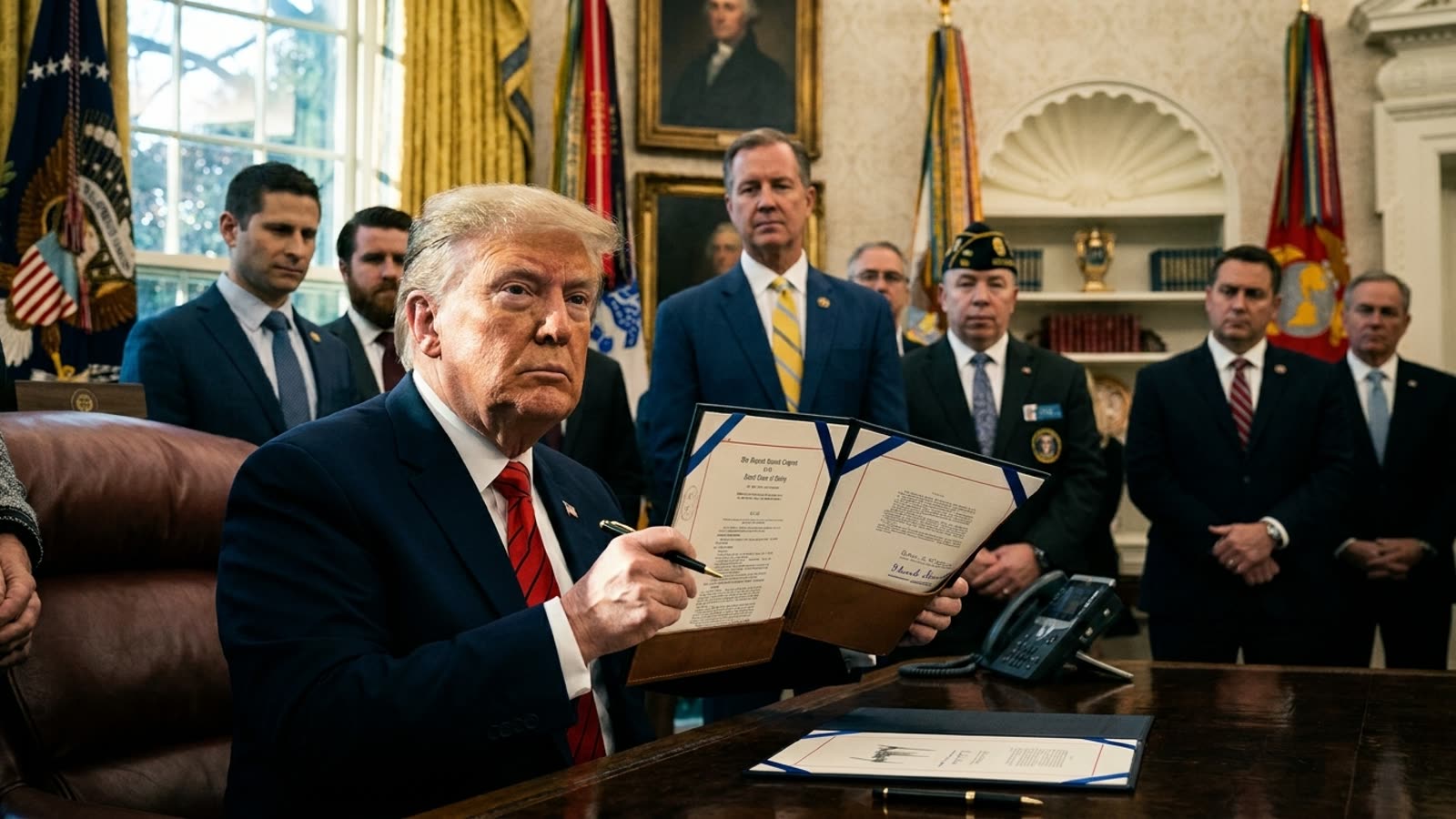
The White House is preparing an executive order on artificial intelligence that could mark the most significant federal intervention in the technology since the Biden administration's 2023 framework—or could dismantle it entirely. Either outcome will reverberate through Silicon Valley, Wall Street, and every foreign capital watching America's AI posture.
The timing is deliberate. With China accelerating its own AI development, the European Union tightening its AI Act enforcement, and American tech giants sitting on billions in uncommitted infrastructure investment, the administration faces pressure from every direction. Industry wants deregulation. National security hawks want export controls. Safety advocates want guardrails. The executive order will reveal which faction has the president's ear.
The regulatory vacuum
Since January, federal AI policy has existed in a state of productive ambiguity. The Biden-era executive order remains technically in force, but enforcement has been spotty and guidance contradictory. OpenAI, Anthropic, Google DeepMind, and Meta have all been operating under informal understandings rather than clear rules—a situation that benefits incumbents with Washington connections while leaving smaller competitors guessing.
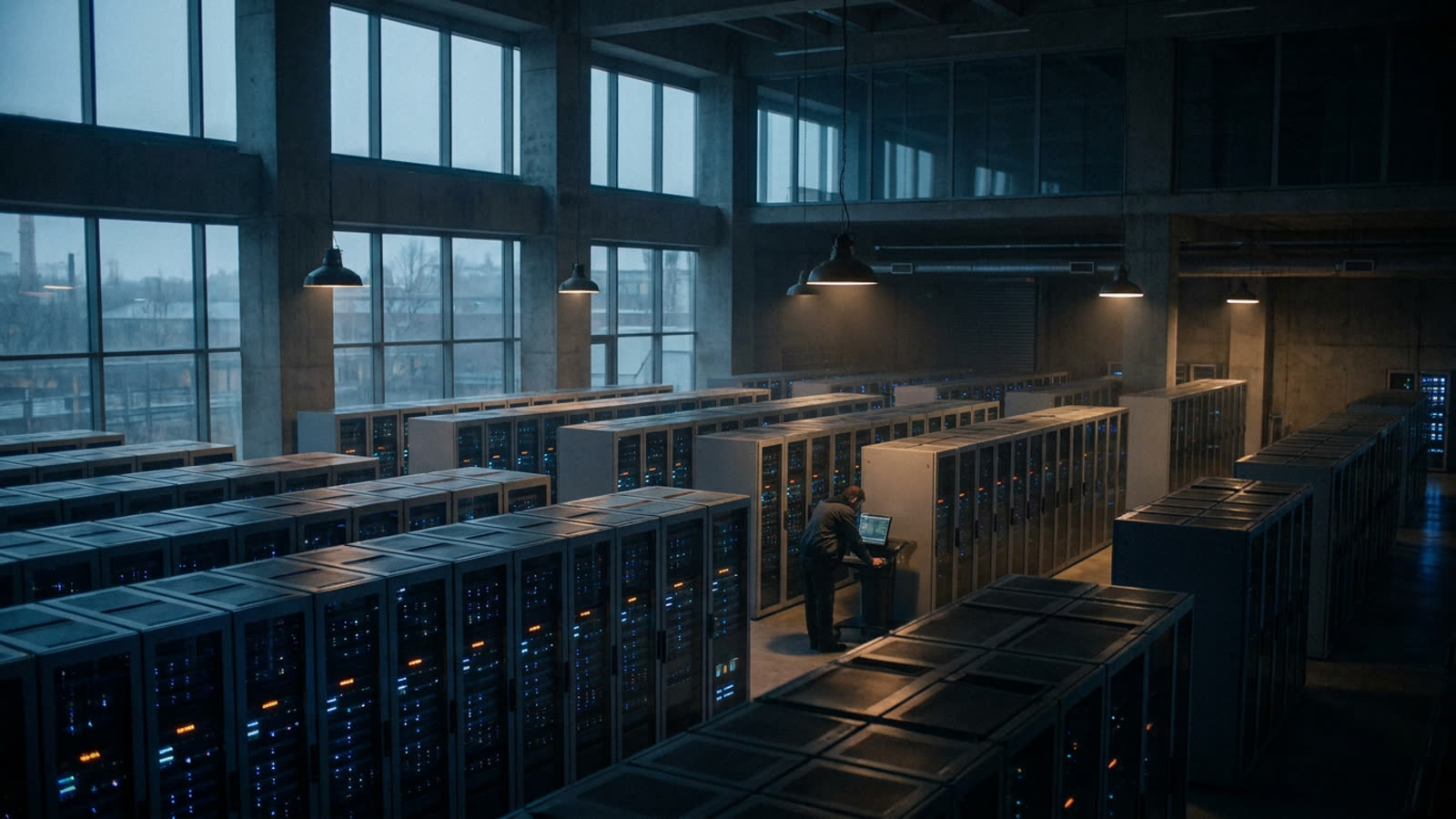
The uncertainty has also frozen significant capital deployment. Nvidia's data center customers have delayed orders. Cloud providers have hedged on new AI-specific facilities. The executive order, whatever its substance, will at minimum provide the clarity that unlocks investment decisions worth tens of billions of dollars.
What the order might contain
Industry sources suggest several likely provisions: streamlined permitting for AI data centers, relaxed reporting requirements for model training, and a reframing of AI safety as primarily a national security concern rather than a consumer protection issue. More aggressive possibilities include rolling back compute thresholds that trigger federal review, or preempting state-level AI regulations that have proliferated in California, Colorado, and elsewhere.
The national security framing is particularly significant. It would shift primary oversight from the Commerce Department to the Pentagon and intelligence community—agencies more sympathetic to rapid capability development and less inclined toward public transparency.
Our take
The substance matters less than the signal. An executive order that treats AI primarily as an economic competitiveness tool will accelerate deployment but defer hard questions about labor displacement, misinformation, and autonomous systems. One that emphasizes safety will reassure critics but risk ceding ground to less scrupulous competitors abroad. The administration appears to be choosing the former path, betting that American AI dominance is worth the regulatory debt. That bet may prove correct. But the invoice will eventually come due, and the next administration—or the one after—will be left to pay it.