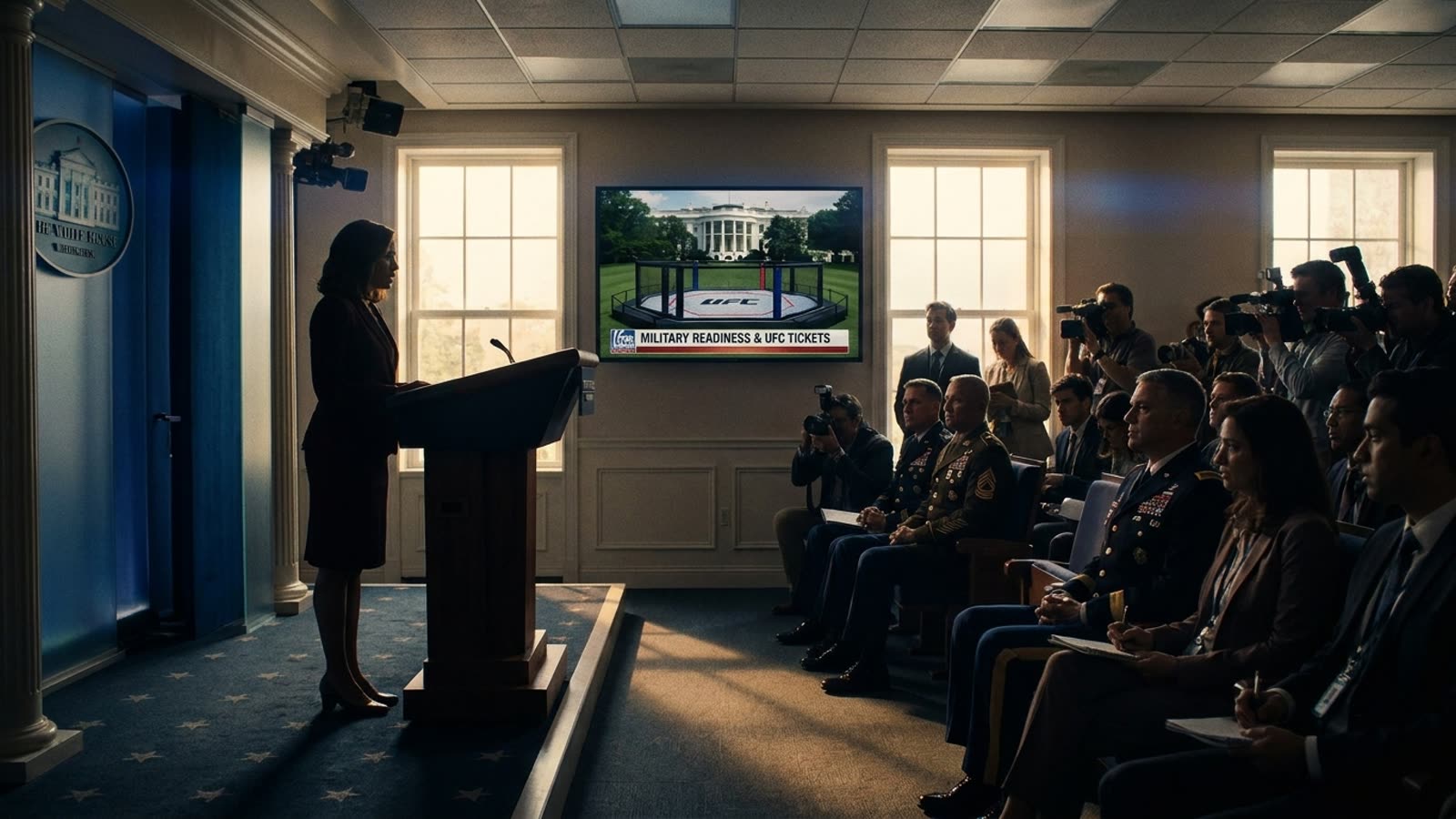
The Trump administration's decision to require service members to meet body composition standards before receiving free tickets to a White House UFC event is either a sensible enforcement of existing policy or a petty gatekeeping exercise dressed up as discipline—depending entirely on whom you ask.
The requirement, which surfaced this week ahead of a planned mixed martial arts event on White House grounds, has ignited a predictable but revealing debate about what the military owes its personnel and what it demands in return. On paper, the logic is defensible: the armed forces have long-standing fitness requirements, and rewarding those who meet them is consistent with institutional values. In practice, the optics are considerably messier.
The policy in context
Military weight and body composition standards have existed for decades, and they remain a genuine source of friction within the ranks. The services periodically adjust their metrics—the Army overhauled its body fat assessment protocols as recently as 2023—but the fundamental tension persists. Troops who excel at their jobs but carry extra pounds have always occupied an awkward position: technically non-compliant, often indispensable.
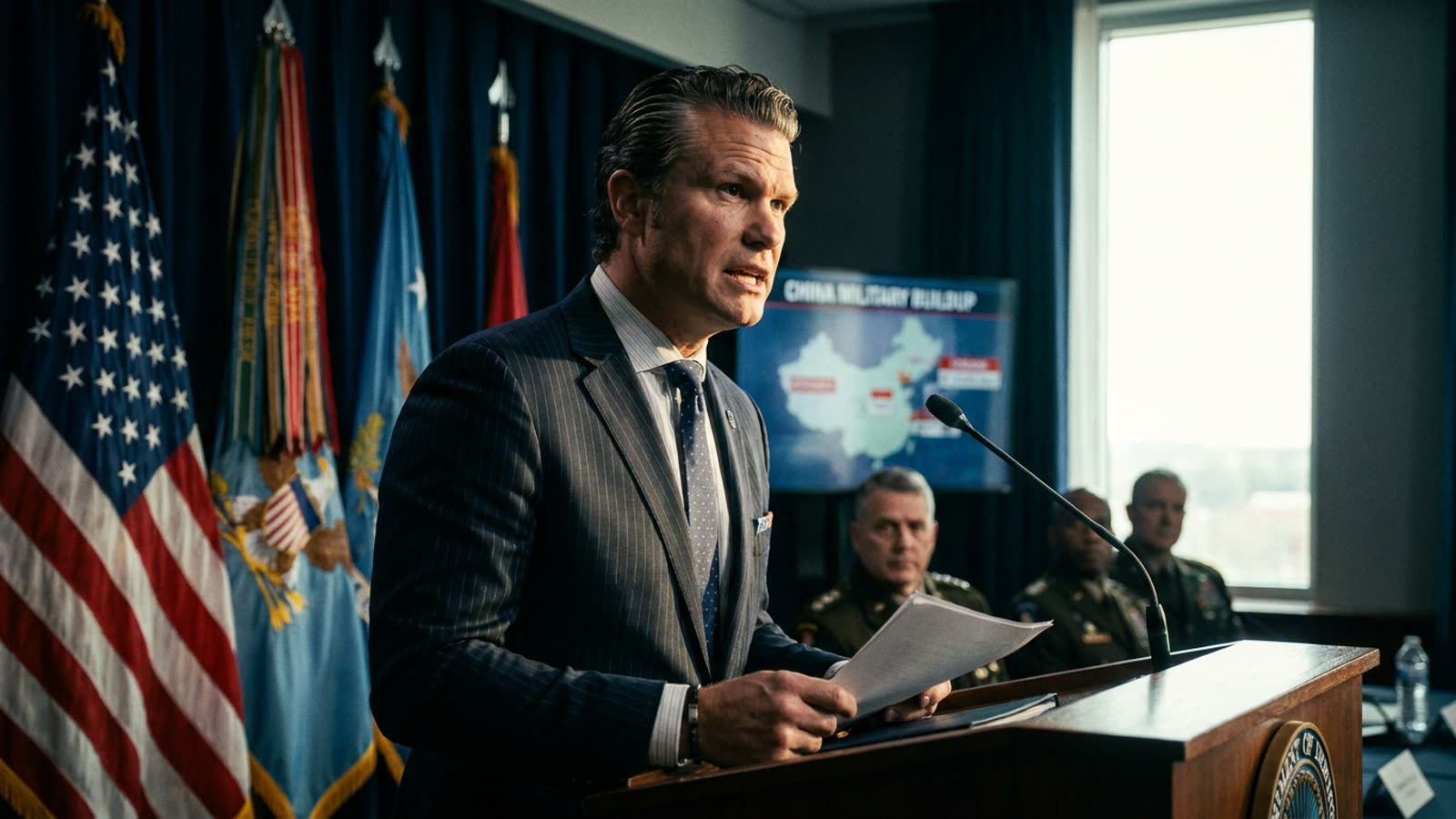
Tying event access to these standards transforms a recreational perk into a compliance checkpoint. The Pentagon's framing suggests this is simply applying existing rules consistently. Critics counter that consistency was never the point—the point was to create a feel-good moment for the troops, and introducing a weigh-in requirement does the opposite.
Why UFC, why now
The choice of a UFC event is itself telling. The sport's aesthetic—muscular, aggressive, unapologetically masculine—aligns neatly with the current administration's broader cultural messaging. Hosting it at the White House elevates that alignment to official endorsement. But combat sports also carry associations with weight-cutting, a practice that involves athletes dehydrating themselves to meet competition limits before rapidly rehydrating. The irony of demanding troops meet weight standards to watch professionals who manipulate their own has not gone unnoticed.
The event also arrives amid ongoing debates about military recruitment and retention. All service branches have struggled to meet enlistment targets in recent years, and morale-building gestures matter more than usual. Whether this particular gesture builds morale or undermines it depends on how many would-be attendees find themselves excluded.
The readiness question
Defenders of the policy argue that fitness standards exist for operational reasons, not bureaucratic ones. A soldier who cannot meet body composition requirements may struggle with the physical demands of deployment. Rewarding compliance reinforces the message that standards matter. This is the readiness argument, and it has genuine merit.
But readiness is also about unit cohesion, mental health, and the intangible sense that the institution values its people. Troops who have served honorably, deployed repeatedly, and performed their duties competently may reasonably wonder why their ticket to a morale event depends on a tape measure. The policy risks telling them that their service matters less than their waistline.
Our take
This is a self-inflicted wound disguised as discipline. The administration wanted a splashy event that projected strength and rewarded the military. Instead, it created a news cycle about who gets excluded and why. The weight standard is defensible in isolation but tone-deaf in application. If the goal was troop morale, mission failed. If the goal was to signal that this White House takes fitness seriously, the signal got lost in the noise. Sometimes the best way to project strength is to avoid fights you don't need to have.