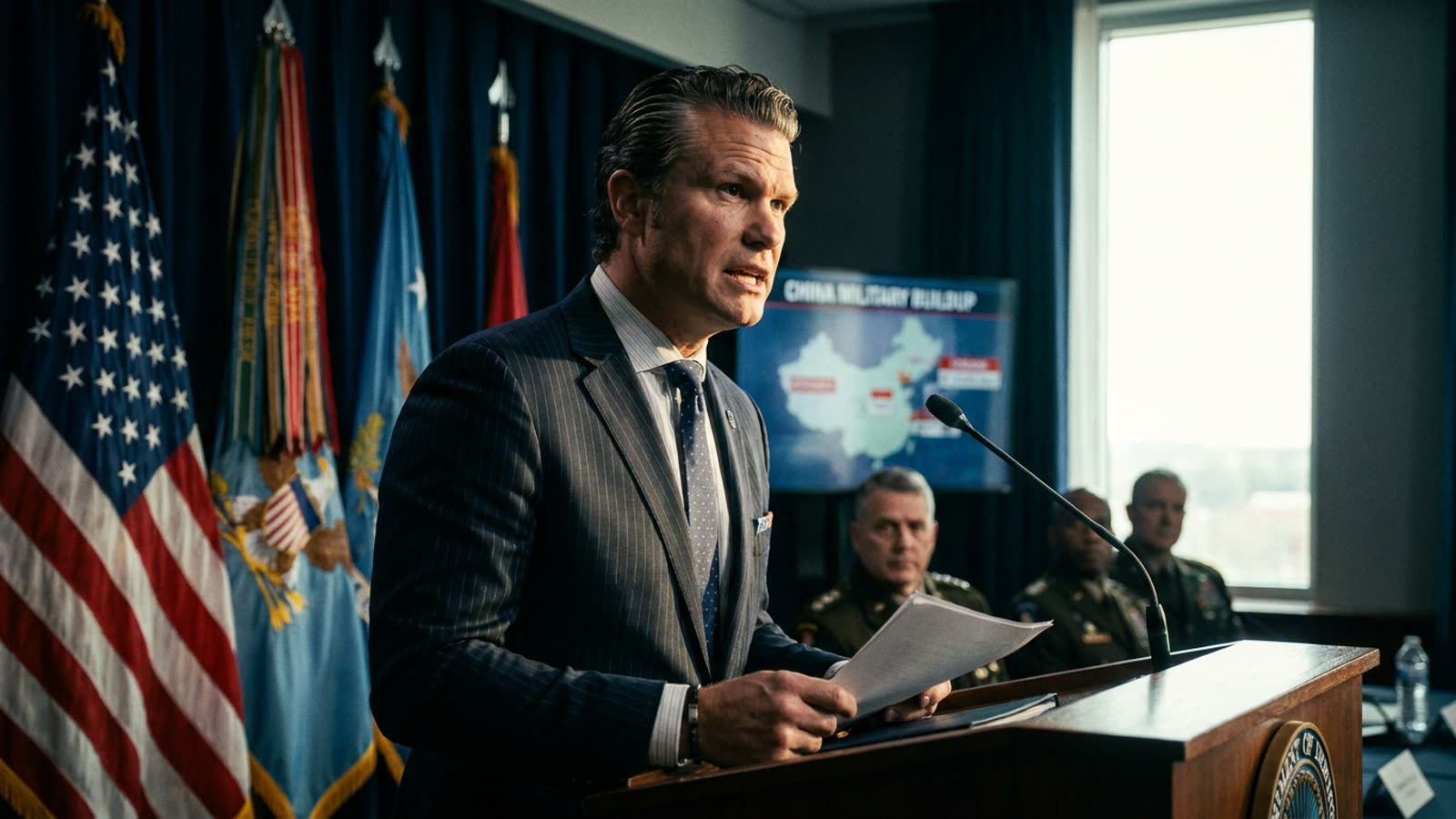
When the American defense secretary travels to Asia and declares that China's military expansion should "alarm" the region, he is not delivering news. He is acknowledging a reality that has shaped Indo-Pacific security calculations for the better part of two decades. What makes Pete Hegseth's current tour noteworthy is not the diagnosis but the prescription — and the diplomatic context in which he's dispensing it.
Hegseth's message to allied defense ministers has been characteristically direct: spend more, and spend it now. The United States, he argues, cannot underwrite Asian security indefinitely while regional powers free-ride on American deterrence. It is a familiar refrain from the Trump administration's first iteration, now delivered with renewed urgency as China's naval capabilities approach parity with American forces in the Western Pacific.
The math problem
The numbers support Hegseth's concern, if not necessarily his proposed solution. China's defense budget has grown at roughly seven percent annually for over a decade, and the People's Liberation Army Navy now operates more vessels than the U.S. Navy, though American ships remain qualitatively superior. Beijing has constructed artificial islands, expanded its nuclear arsenal, and developed anti-ship missiles specifically designed to keep American carriers at a distance.
Japan has already responded, abandoning decades of pacifist restraint to double its defense spending. South Korea maintains one of the region's most capable militaries. The Philippines has deepened security ties with Washington. Yet Hegseth wants more — a coordinated regional buildup that would shift the burden-sharing calculus decisively away from American taxpayers.
The trust deficit
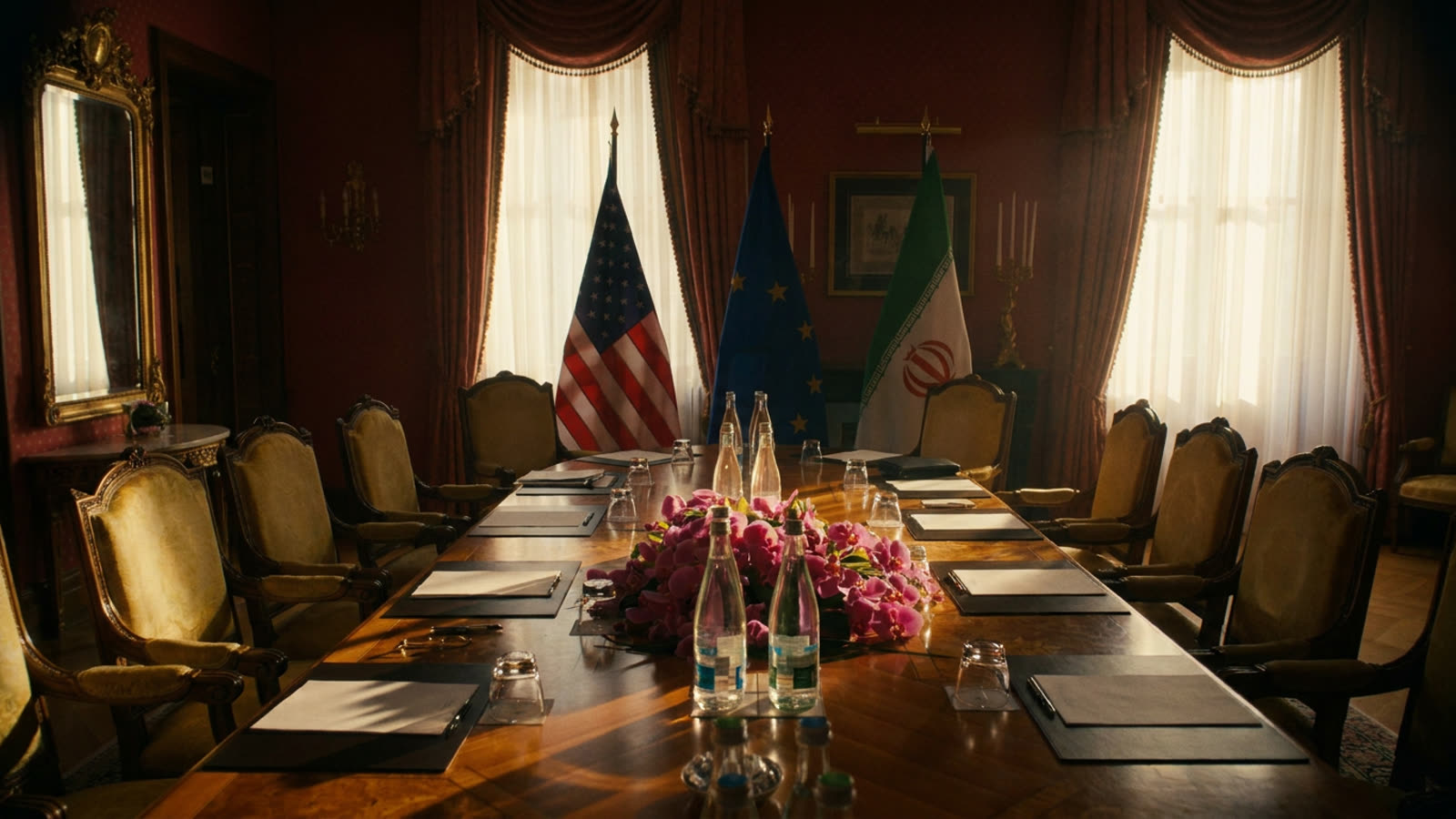
Here is where the administration's broader foreign policy creates friction. Allies being asked to invest heavily in American-led security architecture are simultaneously watching Washington negotiate with Iran in ways that reportedly blindsided Israel, pursue tariff policies that treat friends and adversaries similarly, and signal that alliance commitments are fundamentally transactional. The message from the Pentagon — "trust us and spend" — arrives alongside signals from the White House that trust is a commodity to be purchased, not assumed.
Asian defense ministries are not naive. They recognize that hedging against China requires American partnership regardless of who occupies the Oval Office. But the enthusiasm gap between what Hegseth is requesting and what allies may deliver could prove substantial.
Our take
Hegseth is right that the Indo-Pacific balance has shifted and that regional powers must contribute more to their own defense. But demanding increased spending while simultaneously undermining the credibility of American commitments is strategic incoherence. Allies will spend when they believe the investment purchases genuine security, not when they suspect they are simply subsidizing an American withdrawal. The Pentagon's alarm is warranted; its ability to inspire confidence is another matter entirely.