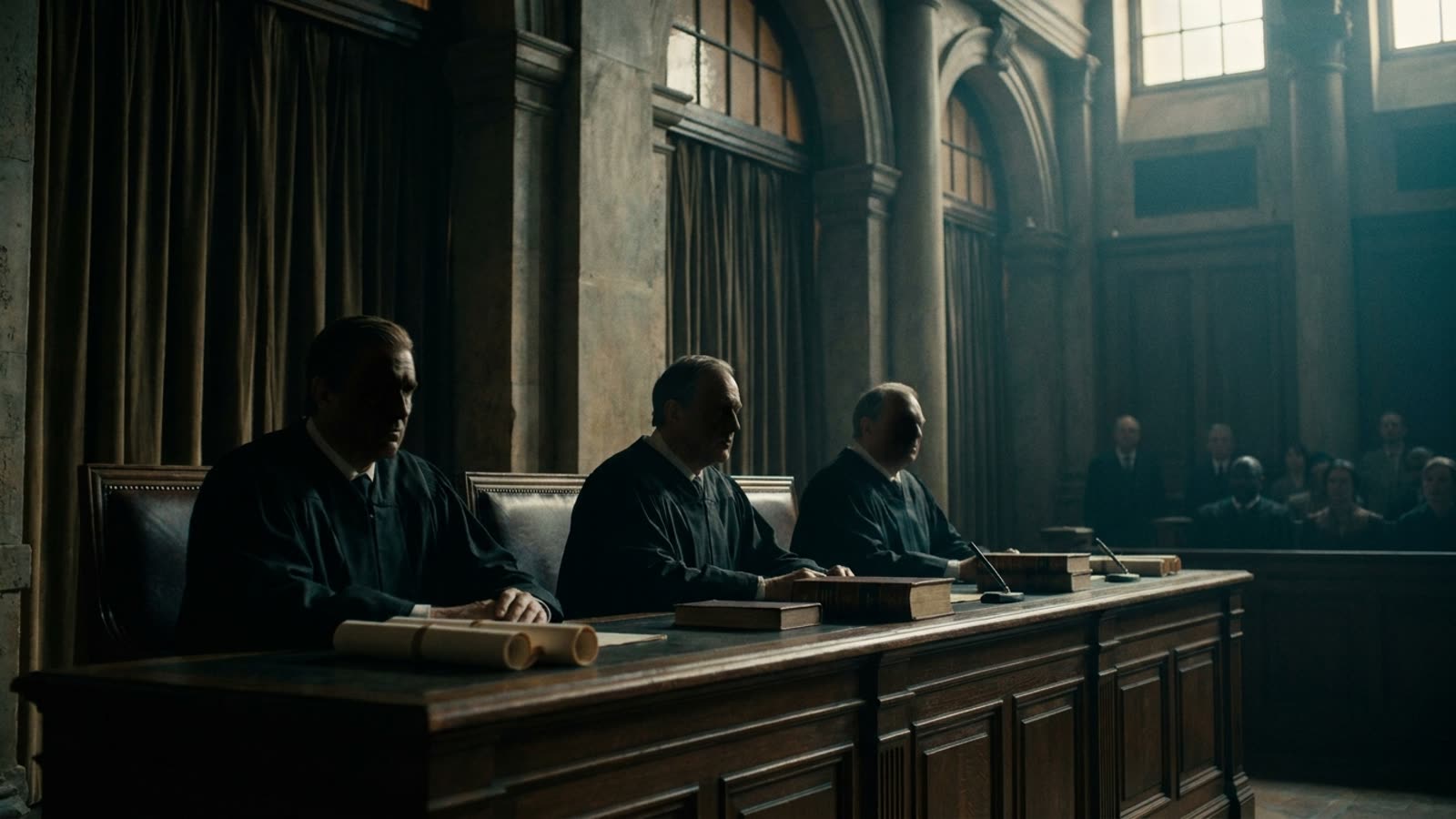
The Merit Systems Protection Board exists for one reason: to stand between federal workers and presidents who might fire them for political loyalty rather than job performance. New reporting reveals the Trump White House has been secretly coordinating with the board's leadership, transforming a quasi-judicial watchdog into an instrument of executive will. The capture is quiet, procedural, and devastating.
The board, established in 1978 after Watergate-era abuses, adjudicates appeals from federal employees who believe they were wrongfully terminated or disciplined. Its independence is structural by design—members serve staggered seven-year terms precisely so no single president can pack it. For decades, the arrangement held. Career bureaucrats could blow whistles, challenge illegal orders, and trust that an independent tribunal would hear their cases.
How the capture works
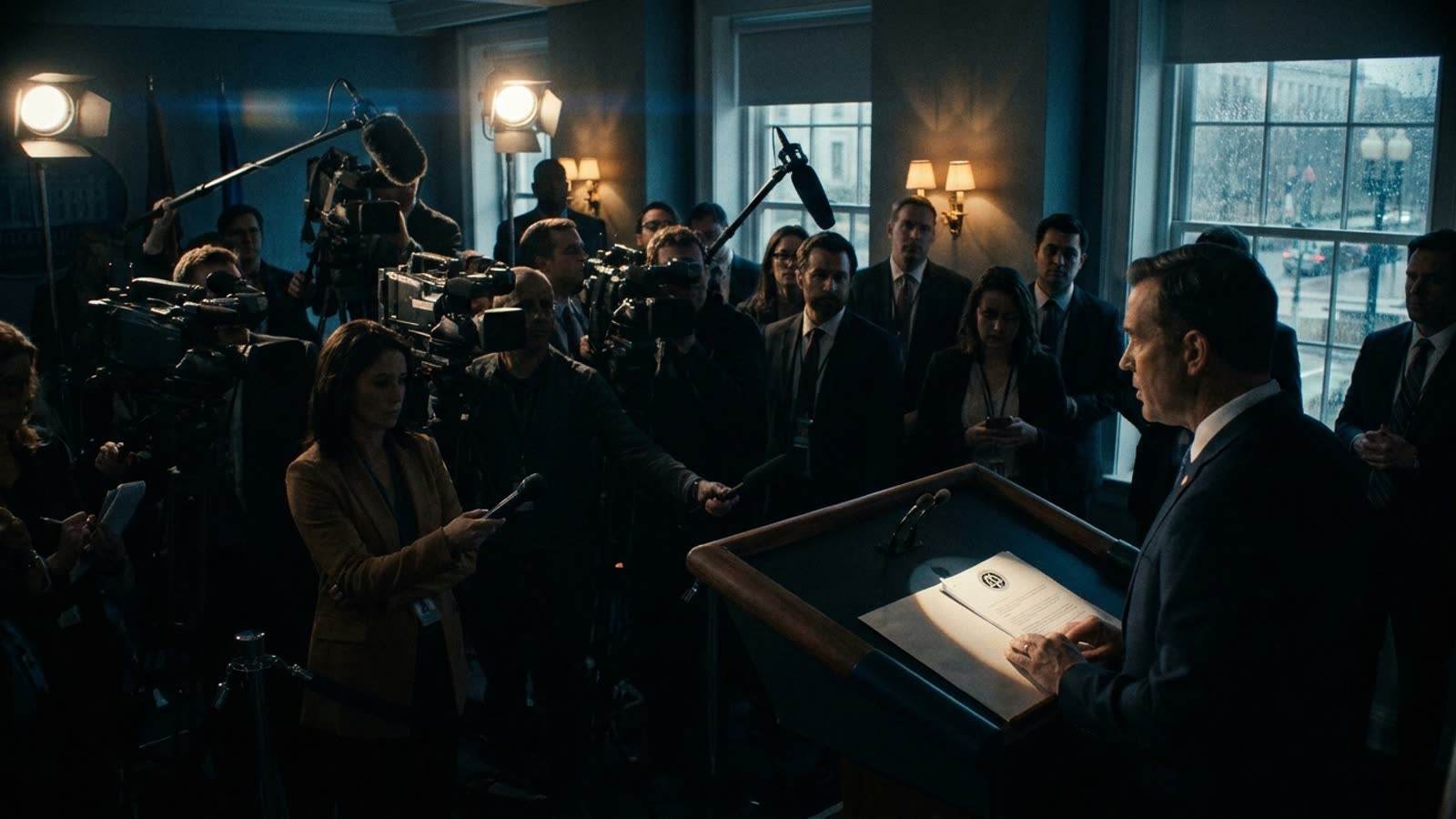
According to the New York Times investigation, White House officials have been privately communicating with board members about pending cases and policy direction—contact that previous administrations scrupulously avoided. The board has also reportedly coordinated its procedural rulings to align with administration efforts to reclassify tens of thousands of federal workers as at-will employees, stripping their appeal rights entirely.
This isn't a hostile takeover; it's an inside job. The administration filled board vacancies with loyalists, then maintained back-channel influence over rulings. The result: an appeals body that rubber-stamps terminations the White House wants while slow-walking cases it doesn't.
The Schedule F connection
The board's compromised independence matters most in context. The administration has aggressively expanded Schedule F, the executive order reclassifying policy-adjacent federal workers as at-will employees. Tens of thousands of positions—scientists at EPA, economists at Treasury, attorneys at Justice—have been redesignated. Workers in these roles can now be fired without the procedural protections that once made federal employment a career rather than a patronage prize.
The MSPB was supposed to be the last line of defense for workers who believed their reclassification or termination was pretextual. With the board captured, that defense evaporates. Federal employees challenging their firings now appeal to a tribunal that has already coordinated with the people who fired them.
Why institutions fail slowly
The MSPB story illustrates how institutional capture rarely looks dramatic. There's no Saturday Night Massacre, no marshals at the door. Instead, there are personnel choices, procedural tweaks, and quiet phone calls. The board still exists. It still issues rulings. It still has a website and a seal. But its function—independent adjudication—has been hollowed out.
This pattern has repeated across the executive branch: inspectors general dismissed or sidelined, agency general counsels replaced with loyalists, career officials reassigned to basement offices until they quit. Each individual move is defensible in isolation. Collectively, they represent a systematic effort to collapse the distinction between the permanent government and the political government.
Our take
The civil service exists because the spoils system was a disaster—because governments staffed by partisan loyalists rather than competent professionals are corrupt, incompetent, or both. The MSPB was a modest, boring institution doing modest, boring work: ensuring that federal workers couldn't be fired for refusing to break the law or for belonging to the wrong party. Its capture won't make headlines the way a Supreme Court ruling does, but the damage is more corrosive. When career officials learn that no institution will protect them from political retaliation, they stop resisting illegal orders. That's not a bug of this strategy. It's the entire point.