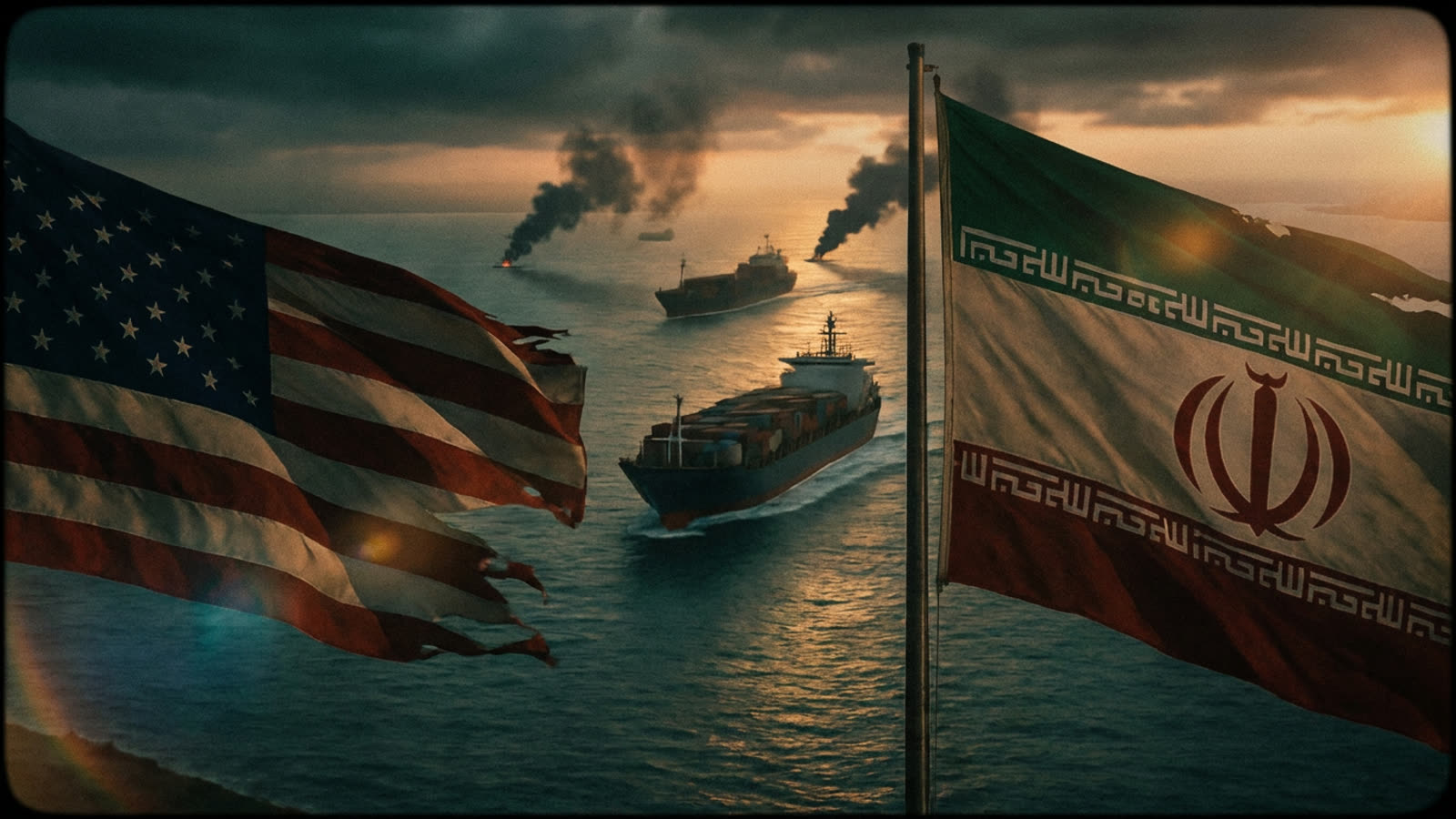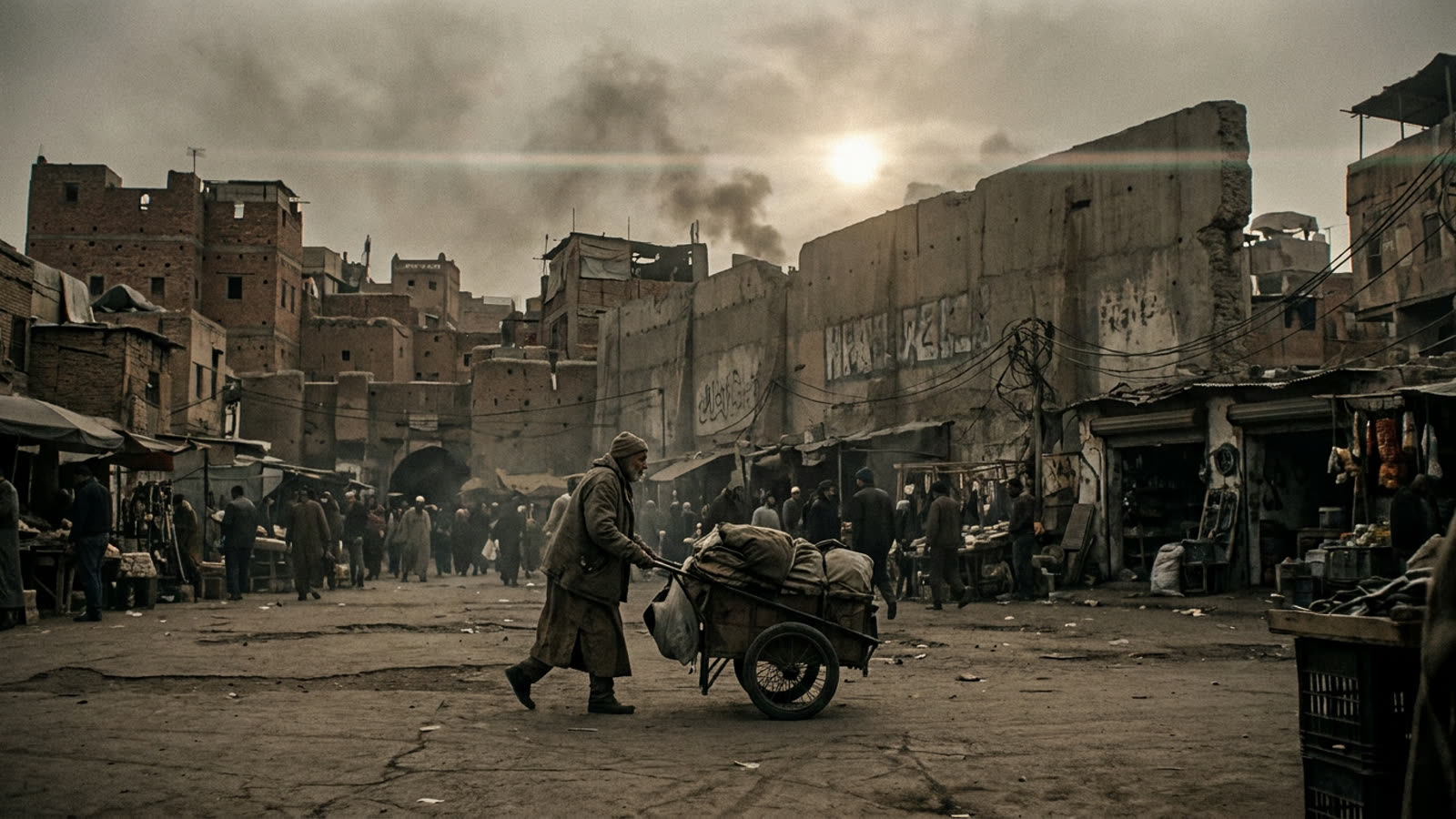
When a government announces sanctions against a hostile regime, the implicit promise is surgical: freeze the assets of the powerful, starve the war machine of capital, and watch the targeted leadership capitulate or collapse. The reality is messier, slower, and often crueler to the wrong people. Sanctions are not economic bombs. They are economic sieges, and sieges have always been blunt instruments that test the endurance of civilian populations as much as the resolve of their rulers.
The modern sanctions regime emerged from the ashes of the League of Nations, which had theorized economic isolation as an alternative to military force. The United Nations Charter enshrined the concept, and the Cold War refined it. But the template that shapes contemporary practice crystallized in the 1990s, when comprehensive embargoes against Iraq and Yugoslavia demonstrated both the potential and the pathology of economic warfare. Iraq's sanctions contributed to humanitarian catastrophe while Saddam Hussein remained in power; Yugoslavia's regime change owed more to NATO bombs than frozen bank accounts.
The architecture of pressure
Sanctions today operate through three interlocking mechanisms: asset freezes, trade restrictions, and financial isolation. The first targets individuals and entities, rendering their foreign-held wealth inaccessible. The second prohibits the export of specific goods—weapons, luxury items, dual-use technology—to the target country. The third, and most potent, severs access to the global financial plumbing, particularly the dollar-denominated correspondent banking system that underpins international trade.
This financial dimension explains why American sanctions carry disproportionate weight. The dollar's dominance means that most significant international transactions eventually clear through New York. A bank that processes payments for a sanctioned entity risks losing its access to the American financial system—a death sentence for any institution with global ambitions. This extraterritorial reach transforms the Treasury Department's Office of Foreign Assets Control into a kind of global financial police force, compelling compliance from institutions that owe no allegiance to Washington.
The adaptation problem
Targeted regimes, however, are not passive. They develop workarounds: barter arrangements, alternative payment channels, front companies, and cryptocurrency experiments. More fundamentally, sanctions often strengthen the very elites they aim to weaken. When legal imports become scarce, smuggling networks flourish—and those networks are typically controlled by regime insiders or organized crime with state protection. The sanctioned elite captures the premium on scarce goods while ordinary citizens queue for basics.
This dynamic creates a perverse political economy. Sanctions provide authoritarian governments with a ready explanation for economic hardship: blame the foreign aggressor, not domestic mismanagement. Nationalist narratives harden. The middle class, which might otherwise pressure for reform, emigrates or focuses on survival. The regime's core supporters, who control the smuggling and the security apparatus, grow richer and more loyal.
Our take
Sanctions persist because they occupy a politically comfortable middle ground between doing nothing and going to war. They allow governments to demonstrate resolve, satisfy domestic constituencies demanding action, and impose real costs on adversaries—all without risking soldiers' lives. But honesty requires acknowledging what they rarely achieve: rapid regime change or immediate policy reversal. They are tools of attrition, not decision. Policymakers who reach for them should do so with clear eyes about the timeline, the humanitarian cost, and the adaptive capacity of their targets. The economic siege is an ancient tactic. It has always been brutal, and it has always been slow.