The Federal Emergency Management Agency is being gutted at a pace that would make even the most aggressive deregulators nervous. With Atlantic hurricane season officially beginning today, the Trump administration is accelerating plans to transfer FEMA's core functions to state governments and other federal departments—a restructuring that, if completed, would represent the most significant rollback of federal disaster authority since the agency's creation under Jimmy Carter.
The White House frames this as efficiency. Critics call it ideological vandalism dressed up as reform.
The speed is the point
Administration officials have made clear that velocity matters as much as substance. The goal is to lock in structural changes before political winds shift or, more pressingly, before a major disaster tests the new framework. FEMA's workforce has already been reduced through attrition and buyouts, with regional offices seeing the steepest cuts. Grant programs that once flowed directly to local governments are being rerouted through state capitals, adding bureaucratic layers in the name of reducing bureaucracy.
The logic, such as it is, holds that states understand their own vulnerabilities better than Washington does. This is true in the abstract and irrelevant in practice. When a Category 4 hurricane flattens a Gulf Coast city, the question is not who understands the terrain but who can mobilize resources at scale. Mississippi cannot borrow helicopters from Montana.
The federalism gambit
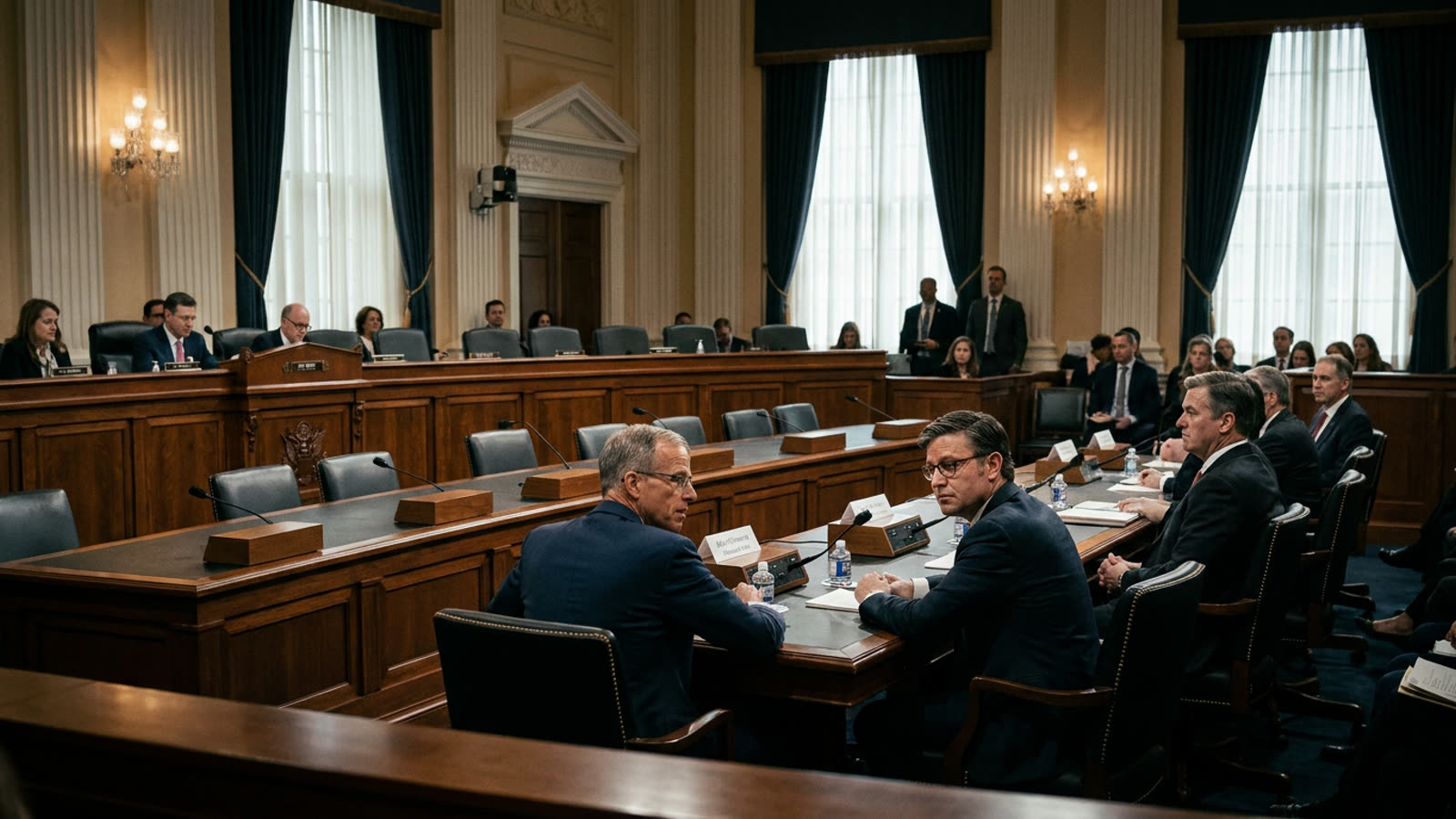
What the administration is attempting is a live experiment in competitive federalism applied to existential risk. Red states have largely applauded the devolution; their governors see expanded authority and reduced federal oversight. Blue states are preparing legal challenges, arguing that disaster response is inherently interstate and that FEMA's dismantling violates the constitutional duty to provide for the general welfare.
The irony is that FEMA's most visible failures—Katrina, Maria—came not from federal overreach but from federal incompetence. The agency's problems were execution, not existence. Eliminating the institution rather than reforming it is the bureaucratic equivalent of treating a broken leg with amputation.
What happens next
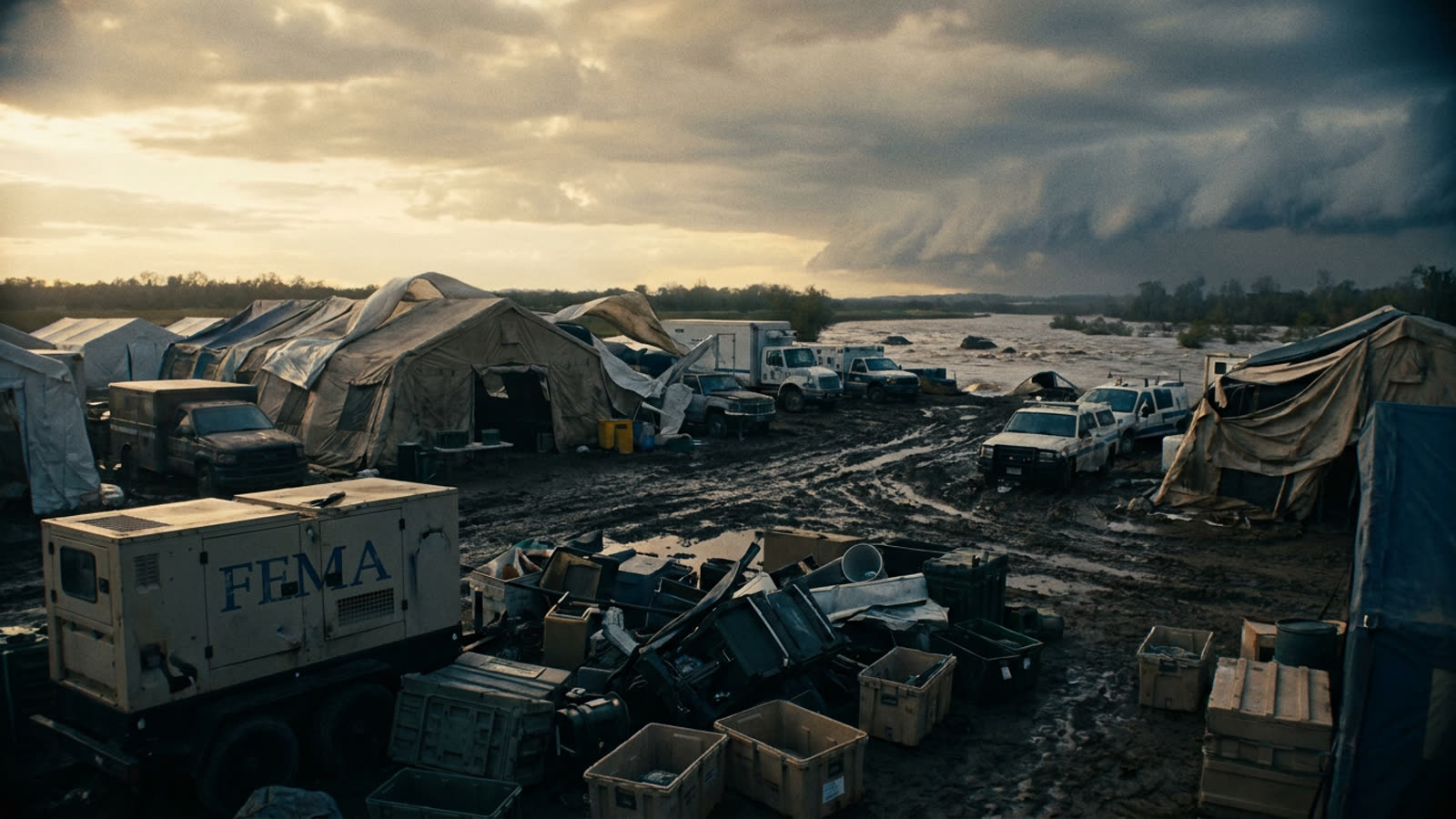
The National Hurricane Center is forecasting an above-average season. Climate models suggest the Gulf and Southeast face elevated risk through October. If a major storm makes landfall before the restructuring is complete, the response will be improvised—a patchwork of state resources, National Guard deployments, and whatever federal capacity remains. If the storm hits afterward, the response will be whatever the states can manage alone.
Our take
This is not serious policy; it is ideological theater performed at scale. The administration is betting that nothing catastrophic happens before November 2026, and that if something does, blame can be distributed to governors. It is a cynical wager with American lives as the stakes, and the house always wins—until it doesn't.