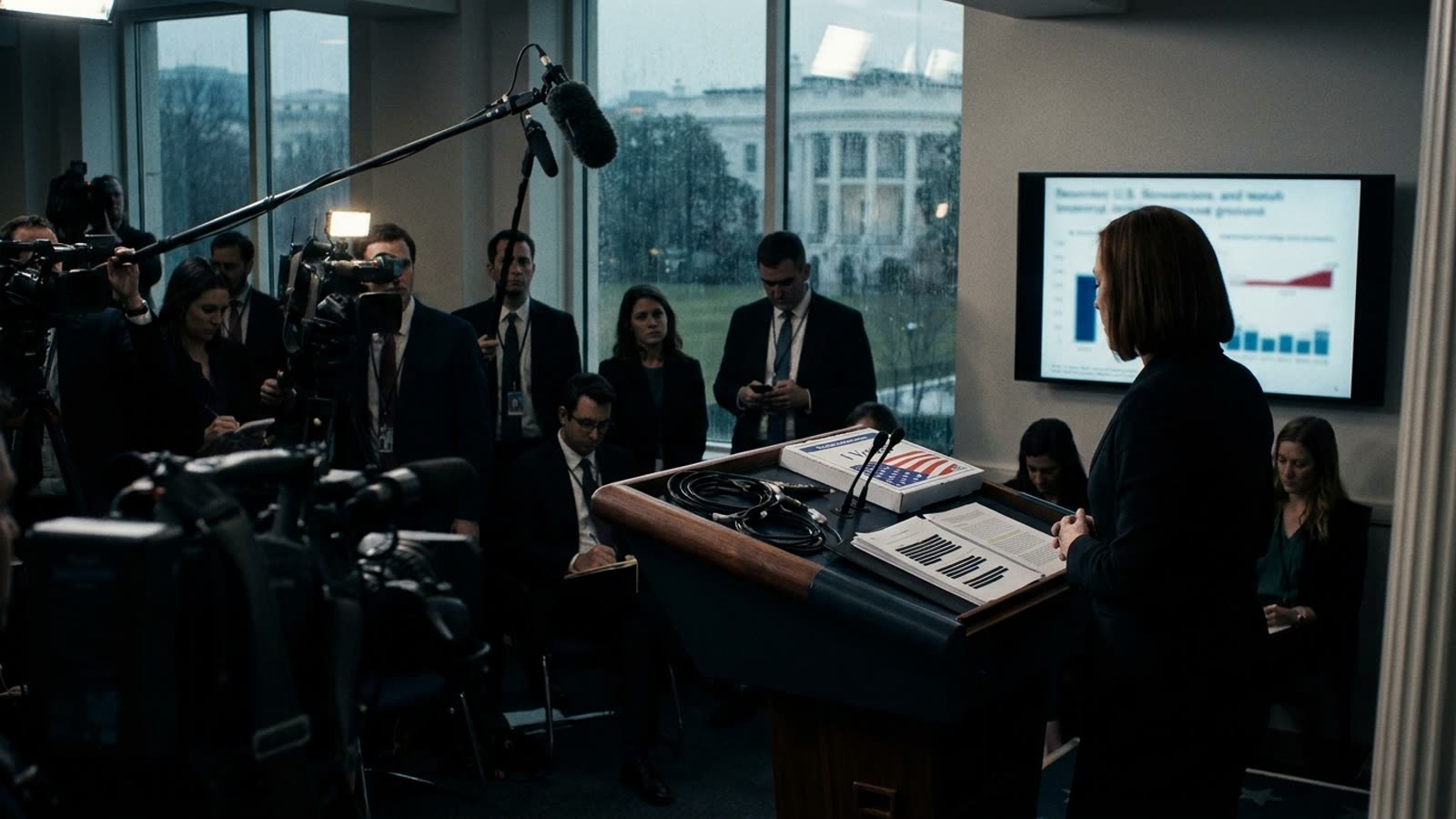
The Trump administration has quietly postponed the release of a federally commissioned study on voting machine security, a move that lands at perhaps the most politically inconvenient moment imaginable: weeks before midterm primary elections begin in earnest and while the president's allies continue to litigate the legitimacy of past contests.
The study, conducted under the auspices of the Cybersecurity and Infrastructure Security Agency, was originally slated for publication this month. Its scope reportedly includes vulnerability assessments of the major voting system vendors used across American counties—the kind of technical deep-dive that could either vindicate years of election-fraud rhetoric or quietly bury it. The White House has offered no timeline for when the report might surface, citing only the need for "additional review."
The politics of delay
In Washington, the decision not to release something is often more revealing than the release itself. The voting machine study sits at the intersection of two competing narratives the administration has struggled to reconcile. On one hand, Trump and his congressional allies have spent years insisting that American elections are riddled with vulnerabilities—claims that fueled the January 6th aftermath and continue to animate the Republican base. On the other, the administration now controls the very agencies responsible for certifying that elections are secure, making it awkward to publish findings that might suggest the system works tolerably well.
If the study reveals significant vulnerabilities, the administration faces a dilemma: acknowledge problems that occurred on its watch (the 2024 election it won) or selectively weaponize findings against Democratic-run jurisdictions. If the study finds the systems largely sound, it undercuts a narrative that has proven politically useful.
Institutional credibility at stake
CISA, the agency that produced the study, has had a complicated relationship with the current administration. Its former director, Chris Krebs, was fired in 2020 for publicly affirming the security of that year's election. The agency has since been restructured, and its independence has been questioned by good-government groups who worry it has become more responsive to political pressure than technical reality.
The delay also arrives as several states prepare to certify new voting equipment purchases—decisions worth hundreds of millions of dollars collectively. Vendors and state election officials have reportedly been pressing for clarity on what the federal assessment found, only to be told to wait.
Our take
There is no innocent explanation for burying a security study during election season. Either the findings are damaging to the administration's preferred narrative, or they are damaging to the administration's preferred vendors, or both. The American public paid for this research and deserves to see it before casting ballots, not after. The longer the White House sits on the report, the more it looks like the answer to "what did they find?" is "something inconvenient."