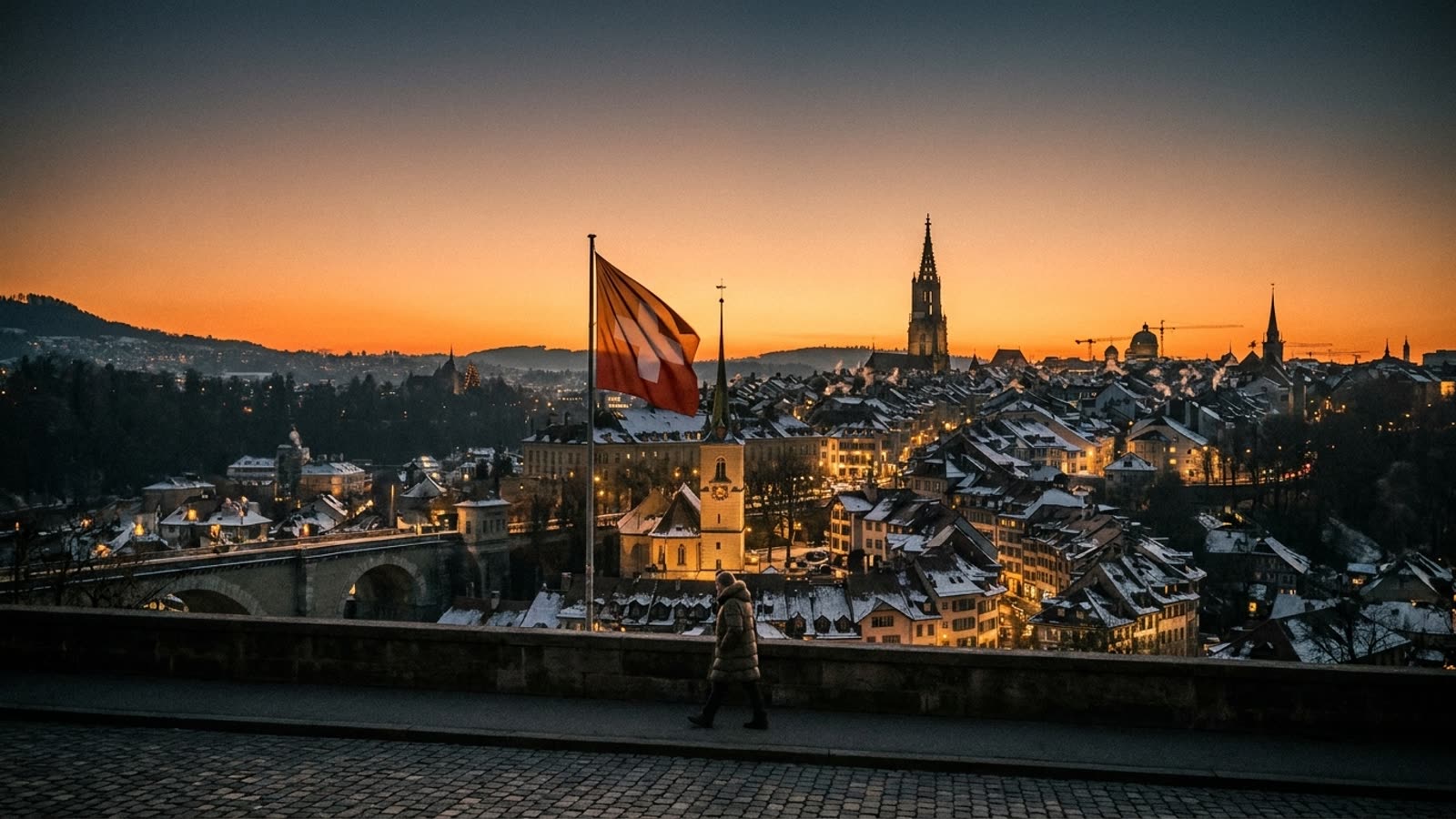
Most democracies worship the executive. Americans obsess over their president's first hundred days; the French parse every Élysée mood; Britons track their prime minister's approval ratings like a fever chart. Switzerland, meanwhile, has seven presidents serving simultaneously, rotating the ceremonial top job annually, and the average Swiss citizen would struggle to name more than two of them. This is not a bug. It is the most successful constitutional experiment the modern world refuses to study.
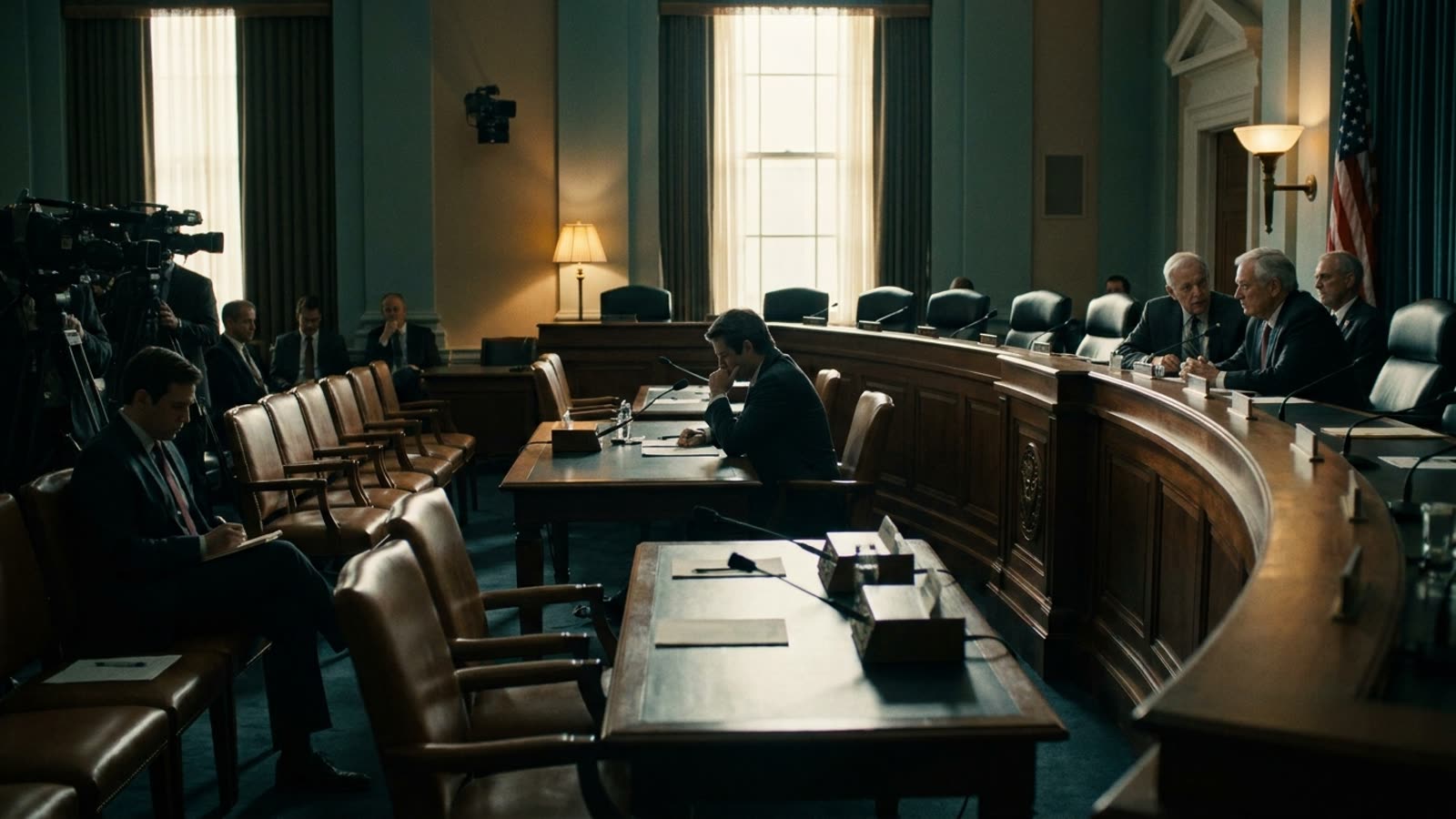
The Federal Council — the Bundesrat in German, Conseil fédéral in French — is Switzerland's collective head of state and government. Seven members, elected by parliament, serve four-year terms with no limit. There is no prime minister, no first among equals in any meaningful sense. The presidency rotates each January, but the title confers little beyond the duty to chair meetings and greet foreign dignitaries. Decisions are made by consensus or, failing that, simple majority vote — and crucially, once a decision is reached, all seven councillors must defend it publicly, regardless of how they voted privately.
The magic formula that isn't
From 1959 to 2003, the council's composition followed an unwritten "magic formula": two seats each for the three largest parties, one for the fourth. This arrangement was never law, merely convention — a gentleman's agreement among factions that understood stability required proportional buy-in. When the Swiss People's Party surged in popularity and demanded a second seat, the formula bent. It has since become more fluid, but the underlying logic persists: major political forces must be represented in government, not frozen out as opposition.
This stands in stark contrast to winner-take-all systems. In Westminster democracies, a party with 35 percent of the vote can govern alone. In Switzerland, a party with 35 percent gets roughly 35 percent of executive power — and must then compromise with colleagues who represent the other 65 percent. The incentive structure rewards pragmatism over purity.
Collegiality as constitutional culture
The system's most counterintuitive feature is the collegiality principle. A councillor may privately oppose a policy — on immigration, on banking secrecy, on European relations — but once the council votes, she must publicly champion it as though it were her own. Dissent is permitted in the meeting room; it is forbidden at the press conference. This forces politicians to own collective outcomes rather than grandstand against their own government.
Critics argue this stifles accountability. If everyone is responsible, no one is. Supporters counter that it eliminates the theatrical opposition that paralyzes other democracies. Swiss governance is boring by design. Boring, in this reading, is a feature.
Our take
The Federal Council will never be exported. It requires a political culture steeped in cantonal federalism, direct democracy, and linguistic compromise — conditions that took centuries to cultivate. But its core insight is portable: executives work better when power is diffused and consensus is mandatory. The model suggests that democracies obsessed with strong leaders might be solving the wrong problem. Switzerland's answer to polarization is not a better president. It is seven adequate ones, forced to agree.