The Trump White House has begun direct outreach to law enforcement organizations in an effort to address their concerns about the Financial Innovation and Technology for the 21st Century Act—better known as the Clarity Act—according to reports emerging this week. The move signals that the administration views police opposition as the last serious obstacle between the crypto industry and its most significant regulatory victory in American history.
The Clarity Act, which passed the House earlier this year with bipartisan support, would shift primary oversight of most digital assets from the Securities and Exchange Commission to the Commodity Futures Trading Commission, a body widely seen as more permissive. Law enforcement agencies have warned that the legislation's provisions could hamper their ability to trace illicit transactions and prosecute financial crimes.
The enforcement problem
Police groups have not been subtle about their objections. The legislation's critics argue that by narrowing the SEC's jurisdiction and creating new safe harbors for token issuers, the Clarity Act would punch holes in the regulatory framework that investigators currently use to pursue fraud, money laundering, and sanctions evasion. The FBI, DEA, and various state attorneys general have all expressed reservations in recent months.
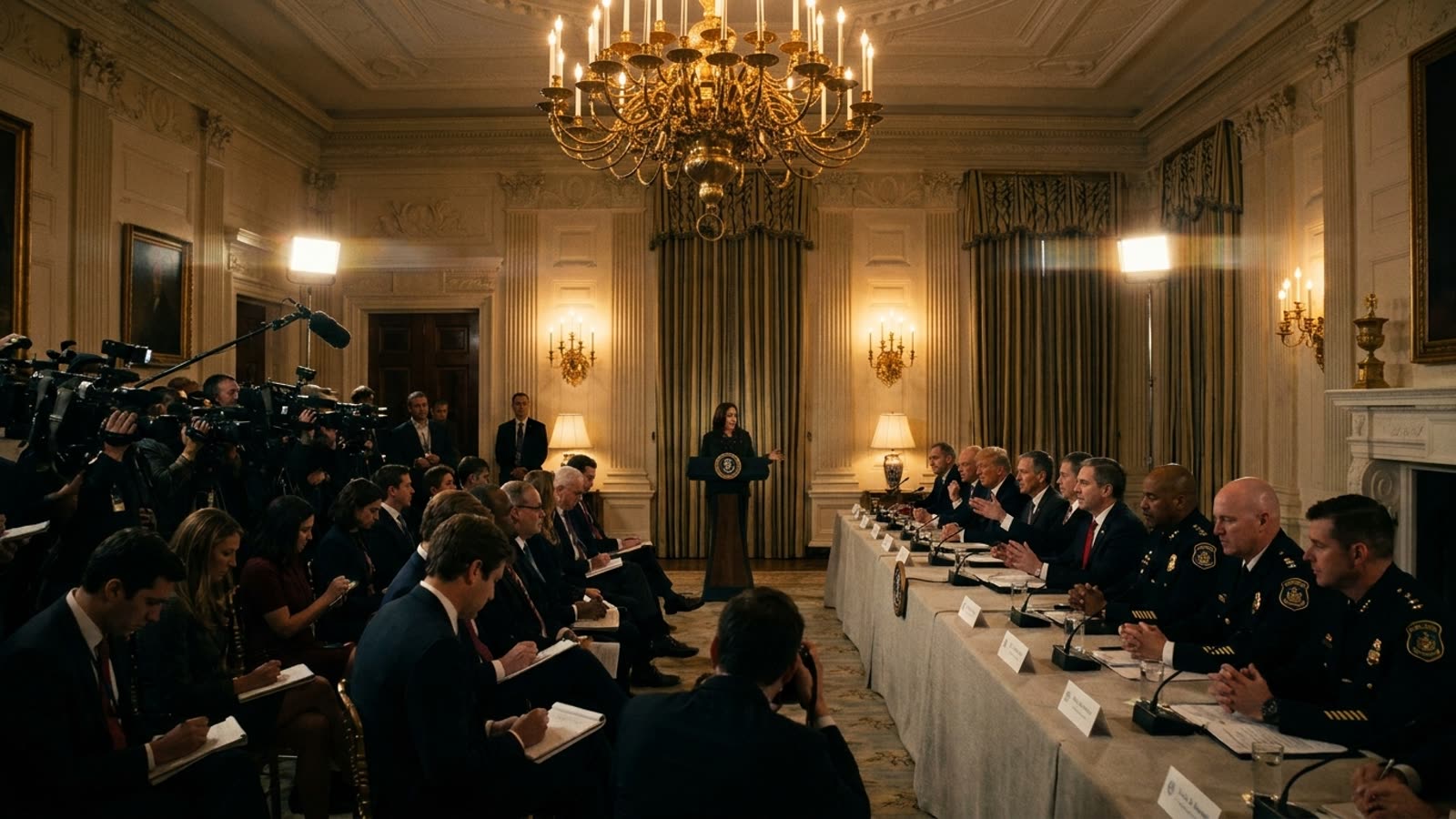
The White House's decision to engage these groups directly—rather than leaving the lobbying to industry trade associations—represents a notable escalation. It suggests the administration calculates that law enforcement buy-in is essential to securing the handful of Democratic Senate votes needed for passage. A few well-placed endorsements from sheriffs' associations or prosecutors' groups could provide political cover for swing-state senators who might otherwise hesitate to be seen as soft on financial crime.
The crypto lobby's long game
The digital asset industry has spent years and hundreds of millions of dollars cultivating relationships in Washington, and the Clarity Act represents the culmination of that investment. Major exchanges and venture capital firms have argued that regulatory uncertainty has driven innovation offshore and that clear rules—even permissive ones—would ultimately strengthen American competitiveness.
What makes the current moment unusual is the degree to which the executive branch has aligned itself with this position. Previous administrations maintained at least rhetorical distance from industry preferences. The Trump White House, by contrast, has made crypto deregulation an explicit policy goal, appointing sympathetic figures to key positions and publicly criticizing the SEC's enforcement-first approach under its previous leadership.
The Senate math
The bill's path through the upper chamber remains uncertain. While Republicans hold a narrow majority, several members have expressed skepticism about provisions they view as insufficiently protective of retail investors. Democrats, meanwhile, are split between progressives who see crypto as a predatory industry and moderates who represent states with significant fintech employment.
The administration's law enforcement outreach is designed to scramble this calculus. If the White House can secure even qualified endorsements from police groups, it would undercut the argument that the Clarity Act aids criminals—the single most damaging line of attack the bill faces.
Our take
There is something clarifying about watching an administration expend political capital to reassure cops that a bill favored by billionaires will not make their jobs harder. The Clarity Act may or may not be good policy—reasonable people disagree—but the spectacle of the White House serving as crypto's legislative concierge tells you which constituency this administration considers most worth courting. The industry wanted a seat at the table; it appears to have gotten the head of it.