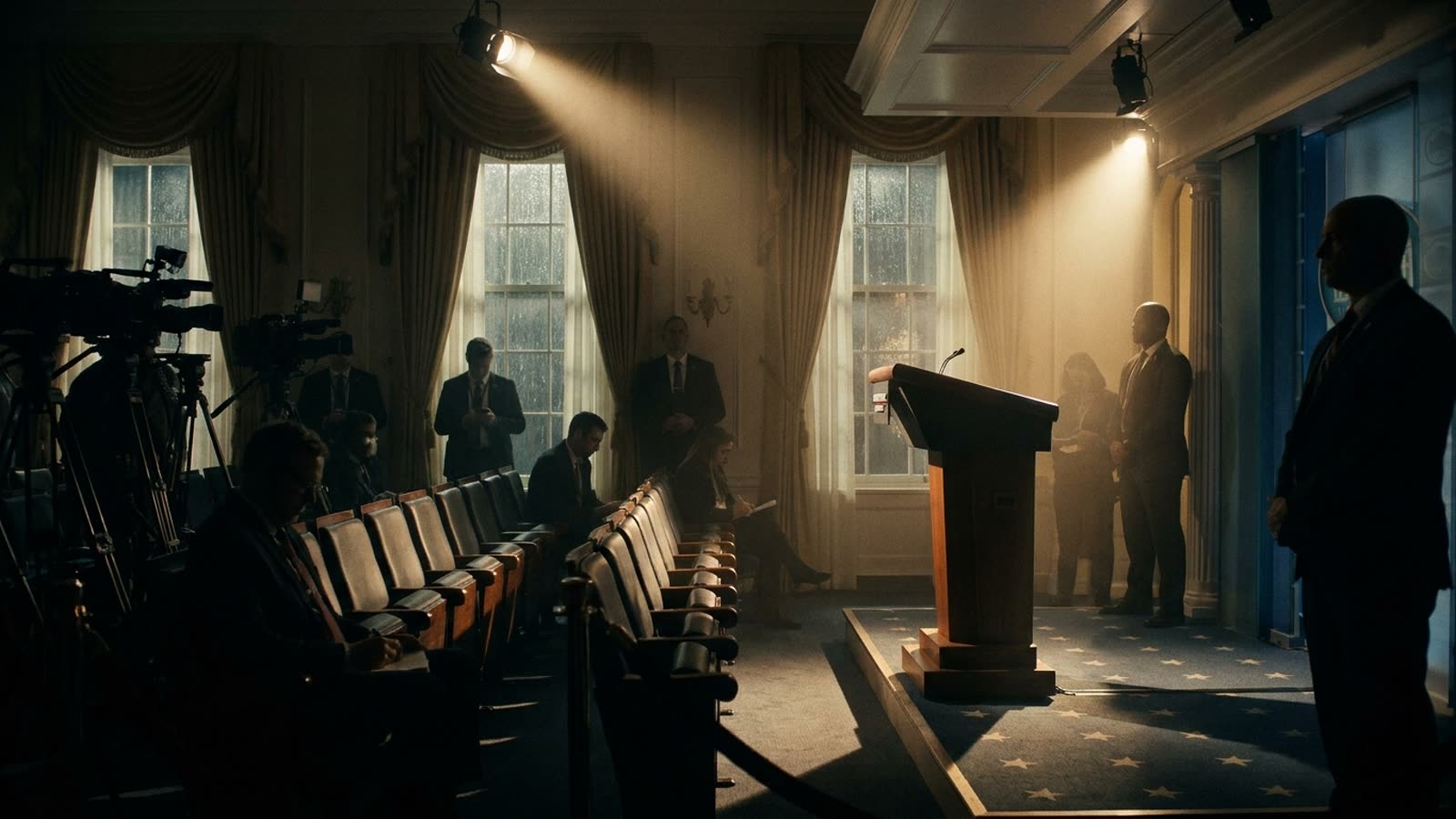
The White House Correspondents' Association announced it would reschedule its signature annual dinner following a shooting incident near the planned venue, a decision that would have been unthinkable a decade ago and now barely registers as surprising. The gala—a peculiar Washington tradition where journalists don black tie to hobnob with the officials they cover—has survived wars, scandals, and a president who called the assembled reporters "enemies of the people." It has not, until now, been derailed by gunfire.
The WHCA offered few details about the incident, citing ongoing coordination with law enforcement and venue security. What we know is that the dinner, typically held in late April or early May, will be moved to a later date yet to be determined. The association emphasized its commitment to ensuring the safety of attendees, a phrase that has become boilerplate in American event planning.
The normalization of threat
Washington has always been a city where security concerns shape daily life—metal detectors at federal buildings, concrete barriers around monuments, the ever-present Secret Service presence near the White House. But the calculus has shifted. Events that once proceeded with merely heightened vigilance now face postponement or cancellation. The dinner's rescheduling joins a growing list of civic gatherings altered by the ambient threat of violence: congressional baseball practices held under armed guard, town halls moved to undisclosed locations, campaign rallies requiring airport-level screening.
The correspondents' dinner occupies an odd place in this landscape. Critics have long argued the event represents everything wrong with the press-politician relationship—too cozy, too performative, too disconnected from the public the press ostensibly serves. Defenders counter that it raises scholarship money and, at its best, demonstrates that democracy can laugh at itself. Neither side anticipated that the debate would become moot because of proximity to gunfire.
What the incident reveals
The WHCA's statement was notable for its bureaucratic calm. There was no outrage, no calls for action, no acknowledgment that a shooting near a gathering of the nation's political press corps might warrant broader reflection. This is not a criticism of the association—it is a description of how institutions now process such events. The shooting becomes a logistical problem to be solved, not a symptom to be diagnosed.
This mirrors the broader political response to violence in American public life. Each incident is treated as discrete, its causes debated along familiar partisan lines, its implications absorbed into the news cycle within days. The dinner will be rescheduled. Journalists will attend. Politicians will make jokes. The underlying conditions that made postponement necessary will remain unaddressed.
Our take
The White House Correspondents' Dinner is a minor institution, and its rescheduling is a minor story. But minor stories sometimes illuminate major truths. The truth here is that American democracy now operates under conditions that would have seemed dystopian not long ago—where a shooting near a press event is handled with the same procedural detachment as a catering conflict. The dinner will happen eventually, and everyone will pretend this is normal. Because in 2026, it is.