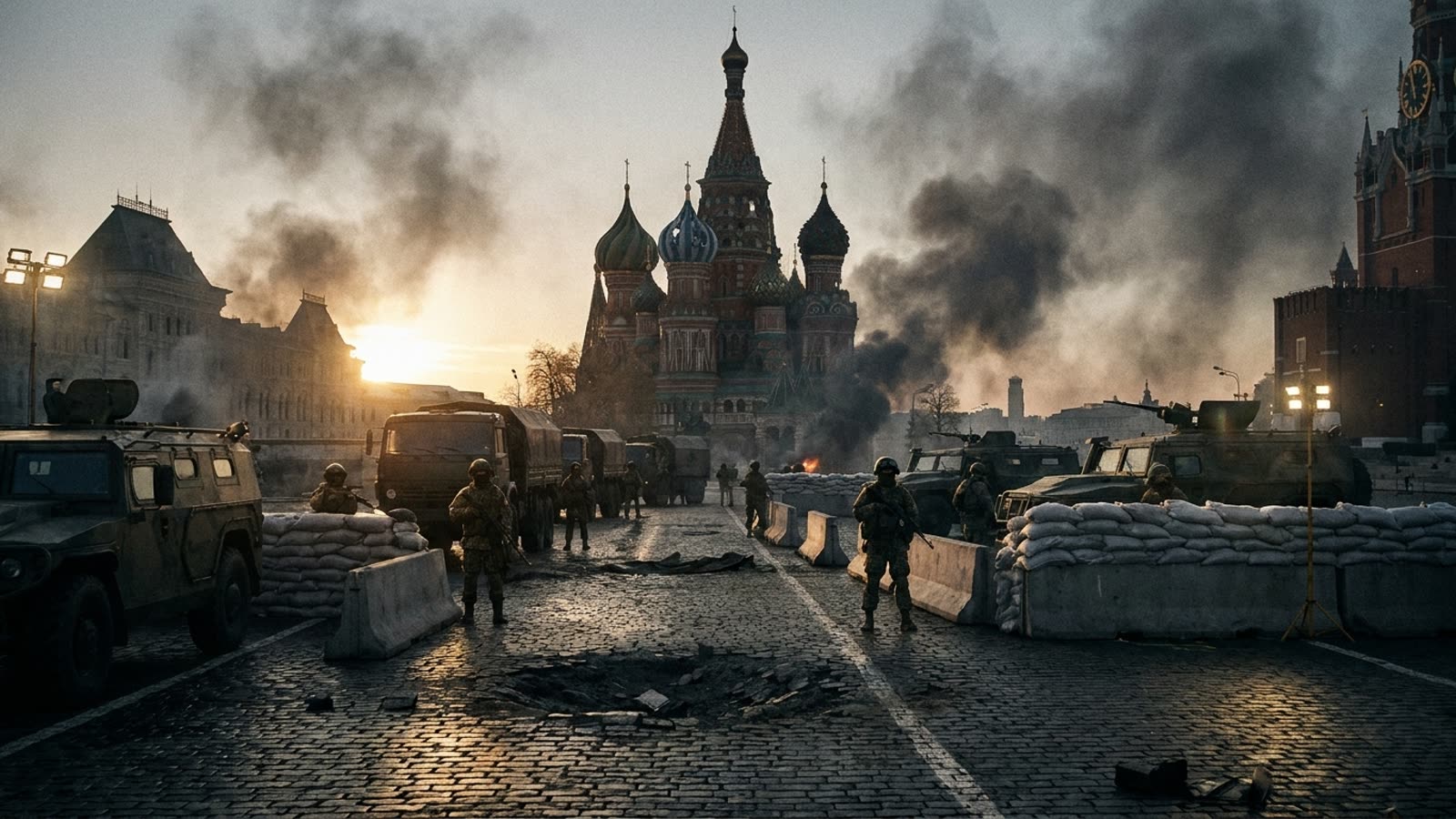
The Kremlin's sudden pivot to framing Ukrainian military operations as "acts of terror" is not merely propaganda—it is strategic repositioning by a regime that has exhausted its conventional options.
Russian officials this week began deploying language usually reserved for non-state actors, describing Ukrainian strikes on Russian territory as terrorism requiring a fundamentally different response. The shift in vocabulary signals something more significant than rhetorical flourish: Moscow is constructing a new justificatory framework for whatever comes next, whether that means expanded mobilization, tactical nuclear threats, or paradoxically, a face-saving exit.
The linguistics of losing
When governments relabel enemy combatants as terrorists, they accomplish two things simultaneously. First, they delegitimize the opponent in ways that conventional military language cannot—terrorists have no valid grievances, no legal standing, no claim to proportional response. Second, and more critically, they grant themselves permission to operate outside normal rules of engagement.
For Russia, which has struggled to achieve decisive gains despite three years of grinding warfare, the terrorism frame offers flexibility. It justifies strikes on civilian infrastructure as counterterrorism. It provides domestic audiences with an explanation for why a supposedly inferior adversary continues to land blows on Russian soil. And it sets conditions for potential negotiations where Moscow could claim it defeated a terrorist threat rather than admit military stalemate.
What 'paradigm shift' actually means
Kremlin spokespeople have been notably vague about what their announced paradigm shift entails operationally. This ambiguity is itself meaningful. In Russian strategic communication, undefined escalation threats serve as a form of pressure—keeping Western capitals uncertain about red lines while preserving maximum flexibility for Moscow.
The likeliest near-term implications are intensified strikes on Ukrainian cities and infrastructure, framed domestically as counterterrorism operations rather than conventional warfare. This provides political cover for attacks that might otherwise draw sharper international condemnation. It also signals to Russian domestic audiences that the nature of the conflict has changed in ways that justify continued sacrifice.
The off-ramp nobody mentions
There is another possibility that analysts have been reluctant to voice: the terrorism framing could be preparatory language for eventual negotiations. If Russia cannot achieve its maximalist objectives, declaring victory over "terrorists" while settling for limited territorial gains would be more palatable domestically than admitting a conventional military draw against a smaller neighbor.
This interpretation may be optimistic. But rhetorical shifts in authoritarian systems often precede policy changes by months or years, laying groundwork in public consciousness before leaders make moves that would otherwise seem like reversals.
Our take
Moscow's new vocabulary deserves serious attention not because it changes battlefield realities—it does not—but because it reveals a regime searching for frameworks that its current strategy cannot provide. The Kremlin is telling us, in its own coded way, that the war it planned to win quickly has become something else entirely. Whether that something else leads to escalation or exhaustion remains the central question of European security. The answer will not come from press conferences, but the language shift suggests even Moscow knows the current trajectory is unsustainable.