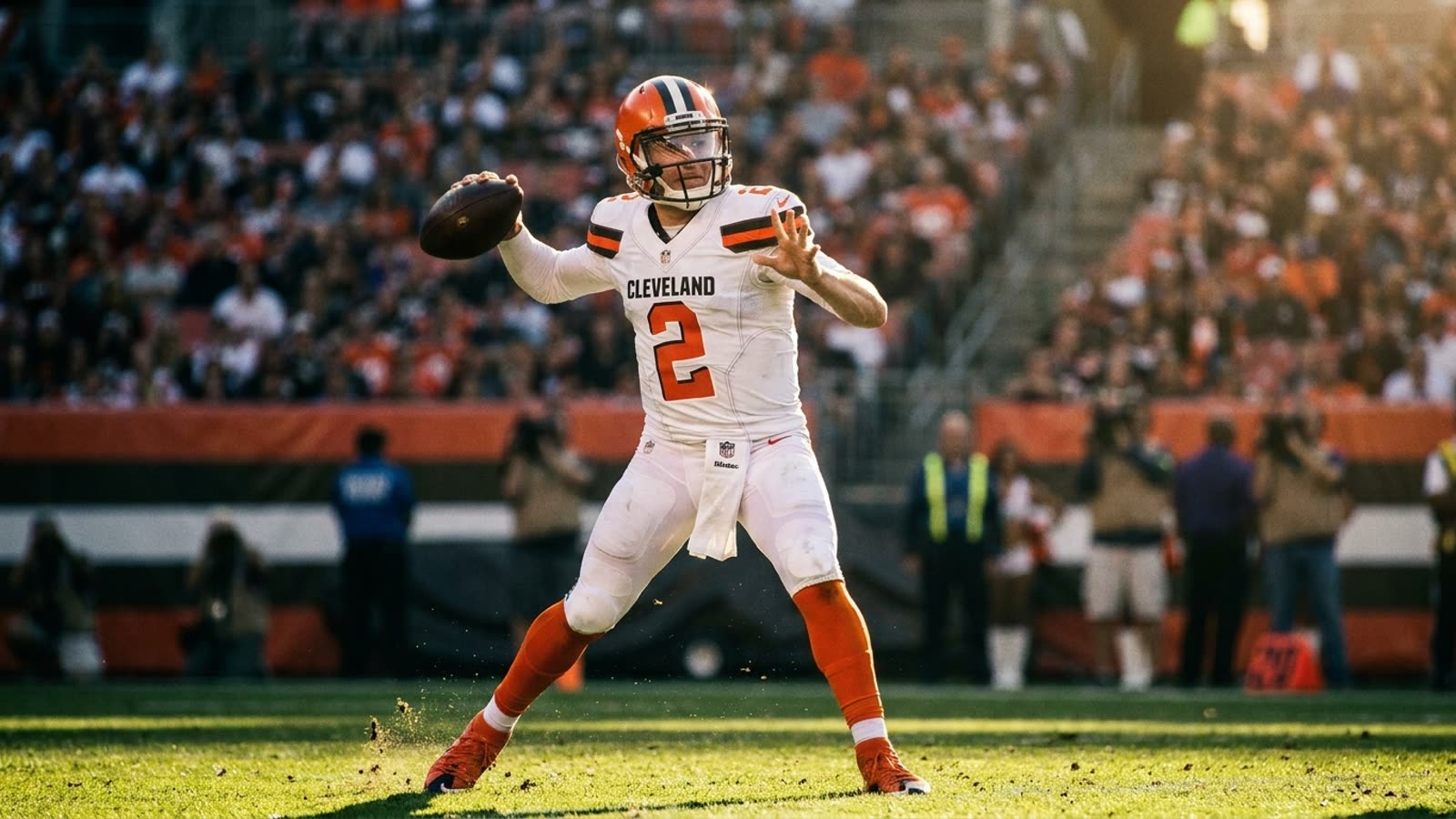
Johnny Manziel, the most electrifying college football player of his generation, stepped into an MMA cage this weekend and did exactly what everyone expected: he demolished an influencer with no professional fighting background. The victory tells us nothing about Manziel's athletic redemption and everything about an entertainment industry that has learned to monetize nostalgia and spectacle in equal measure.
The former Texas A&M star and Cleveland Browns bust has been out of professional football since 2018, his NFL career derailed by substance abuse, off-field incidents, and a talent that never translated from College Station to the pros. Now 33, Manziel joins a growing roster of former athletes and celebrities who have discovered that combat sports will welcome anyone capable of selling pay-per-view subscriptions.
The influencer fighting economy
Manziel's opponent was not a trained fighter but a social media personality—the kind of matchup that has become standard in the celebrity boxing and MMA circuit that exploded after Jake Paul proved YouTubers could headline arenas. The business model is straightforward: pair a recognizable name against an overmatched opponent, generate controversy on social media, and split the gate. Athletic legitimacy is optional; name recognition is mandatory.
The former quarterback reportedly trained seriously for months, which in this context means he prepared more than his opponent did. The result was predictable dominance. Manziel's athleticism—the same explosiveness that won him the 2012 Heisman Trophy—translated well enough against someone who had never been punched professionally.
What Manziel actually proved
Nothing, really. A Division I athlete in his early thirties defeating an untrained influencer demonstrates only that athletic backgrounds matter in combat sports, which has never been in dispute. The more interesting question is why Manziel chose this path rather than the CFL, XFL, or coaching routes that other washout quarterbacks have pursued.
The answer is probably financial. Celebrity fighting pays better than minor league football, requires less sustained commitment, and offers the kind of immediate gratification that defined Manziel's career arc. One fight, one payday, minimal ongoing obligation. For someone whose NFL tenure lasted two seasons and 15 games, the transactional nature of influencer combat may feel more honest than pretending another football league will be different.
Our take
Manziel's MMA debut is being framed as a comeback, but comebacks require something to come back to. He was never a fighter; he was a quarterback who couldn't stay employed. What he's actually done is find a new industry willing to pay for his celebrity, which is less a redemption arc than a lateral career move. The sadder truth is that this is probably the most stable professional sports income Manziel has earned since leaving Cleveland. In the attention economy, that counts as success.