The graveyard of teen-drama leading men is vast and well-populated. For every Penn Badgley who reinvents himself as a prestige antihero, there are dozens of former heartthrobs doing convention circuits, launching wellness brands, or quietly transitioning to real estate. Keegan Allen, who spent seven seasons as the brooding Toby Cavanaugh on Freeform's Pretty Little Liars, appeared destined for that familiar trajectory. Instead, he has done something rather more interesting: he has become a working actor with actual range, and a legitimately accomplished photographer on the side.
The distinction matters. Allen's contemporaries from the PLL era—a show that dominated social media engagement in the early-to-mid 2010s—have largely scattered to the winds. Some found steady work in streaming procedurals; others pivoted to influencer careers with varying degrees of dignity. Allen, now 35, has taken a different path, one that involves saying no to obvious cash grabs and yes to smaller projects that let him disappear into character work.
The photography gambit
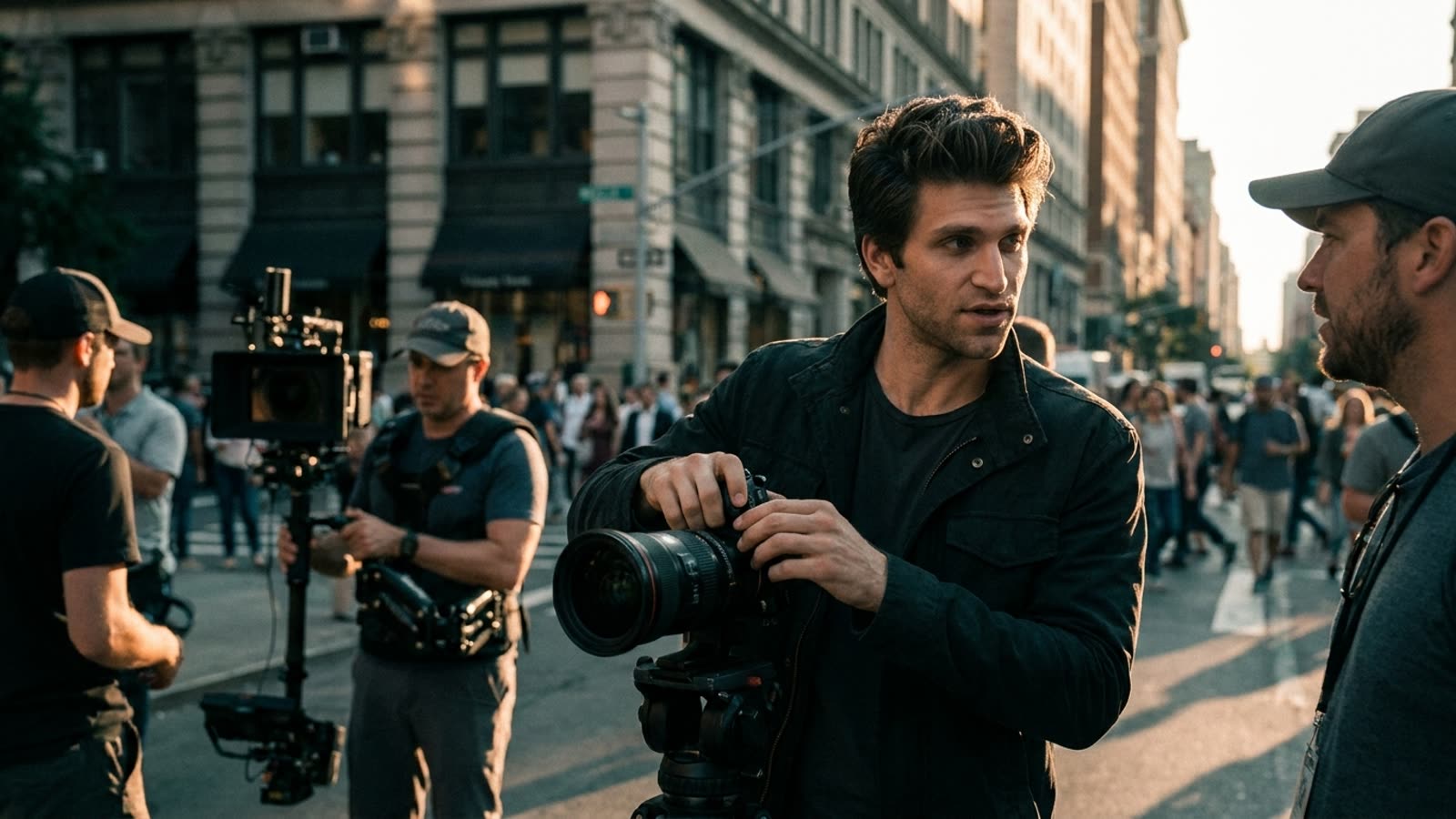
What separates Allen from the standard post-teen-soap playbook is his parallel career behind the camera. His photography—moody, largely black-and-white, heavily influenced by street photography traditions—has been exhibited in galleries and published in a coffee-table book. This is not the vanity project it might sound like. Allen studied photography seriously, and his work has earned genuine critical attention separate from his acting fame. The dual identity gives him something most former teen stars lack: a credible reason to exist in creative spaces beyond audition rooms.
Why the PLL machine was different
Pretty Little Liars occupied a strange cultural moment. It was appointment television for a generation that was supposed to have abandoned appointment television, a show that lived as much on Twitter as it did on cable. Its cast became famous in a way that was both intensely personal—fans felt they knew these actors—and oddly disposable. The show ended in 2017, and the cultural conversation moved on with startling speed. For its stars, the challenge became escaping the parasocial trap: how do you build a career when your audience loved you as a character, not as a performer?
Allen's answer has been to work steadily but selectively, taking supporting roles in projects like Walker and various indie films that prioritize craft over visibility. He has avoided the reality-TV pivot, the podcast-industrial complex, and the increasingly desperate social-media thirst that marks so many actors of his generation.
Our take
There is no guarantee that Allen's approach will result in the kind of career longevity he is clearly aiming for. Hollywood is littered with thoughtful, talented people who did everything right and still ended up forgotten. But his strategy—treat the first act as a launching pad rather than a peak, develop skills that exist independent of casting directors' whims, resist the temptation to monetize nostalgia—is the closest thing to a blueprint for post-teen-stardom survival that exists. Most of his former castmates could learn something from it.