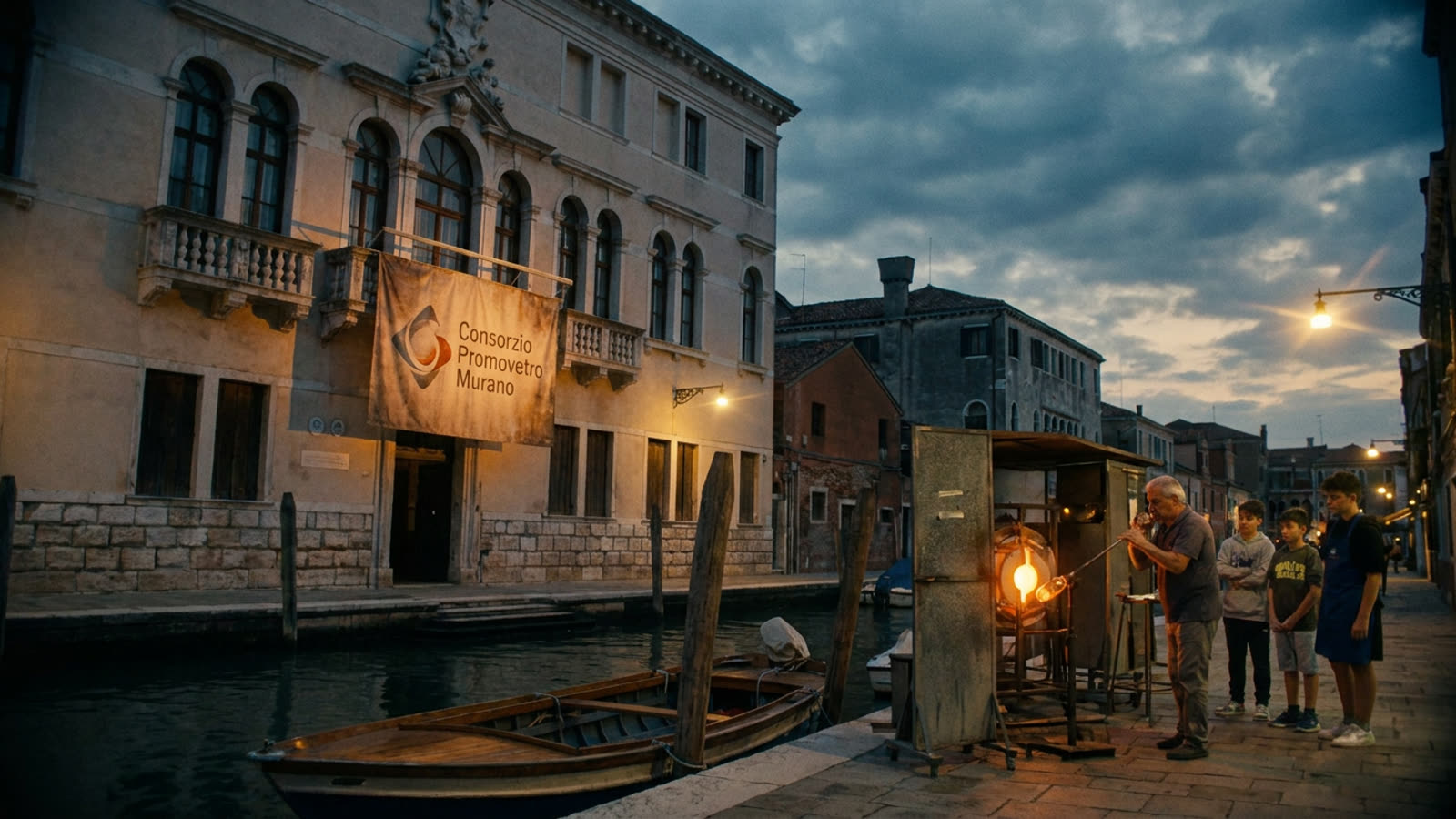
The furnaces of Murano have burned continuously for eight centuries, but the island's famed glassblowing tradition now confronts a modern paradox: luxury buyers worldwide covet its creations more than ever, yet fewer young Venetians want to learn the craft.
The economics of fire and breath
Murano glass represents one of Europe's oldest luxury brands, predating Hermès by six centuries. The Venetian Republic relocated its glassmakers to this lagoon island in 1291, ostensibly to prevent fires but really to guard industrial secrets. That enforced isolation created a monopoly that made Venetian glass synonymous with sophistication from Renaissance courts to modern penthouses.
Today, a master glassblower on Murano can command €150,000 annually, while their chandeliers sell for ten times that in Dubai hotels and Manhattan townhouses. Yet the island's furnaces, which numbered over 100 in the 1960s, have dwindled to fewer than 50. The mathematics are brutal: it takes a decade to train a maestro, but only months for a young Venetian to find work in tech or tourism that pays nearly as well without the burns.
The China question
The threat isn't just generational. Murano glass, like Swiss watches before it, faces an uncomfortable reckoning with Chinese manufacturing. Factories in Guangdong now produce "Murano-style" glass at one-tenth the cost, flooding Amazon and Alibaba with pieces that fool all but the most discerning buyers.
The Consorzio Promovetro Murano, the island's trade body, has fought back with authentication marks and lawsuits, but the damage runs deeper than counterfeits. When a Shanghai hotel can outfit its lobby with Chinese-made "Venetian" chandeliers for the price of one authentic piece, the economic logic becomes hard to ignore. Some Murano workshops have quietly begun outsourcing basic components to China, assembling and finishing them on the island—a practice that would have been heretical a generation ago.
The apprentice problem
The real crisis lies in the fornace itself. Glassblowing at Murano's level requires a physicality and dedication that fewer young people possess or desire. The work is punishing: twelve-hour days in forty-degree heat, handling molten glass at 1,100 degrees Celsius, breathing in silica dust that regulations have only recently addressed.
More fundamentally, the apprentice system clashes with modern expectations. Traditional training means spending your twenties earning minimal wages while watching masters work, occasionally being allowed to gather glass or hold a piece. In an era of YouTube tutorials and coding bootcamps, a decade-long apprenticeship feels antiquated. The few young Muranese who do enter the trade often leave for easier work after learning basic techniques, taking their knowledge to competitors or starting tourist-focused workshops that produce simple souvenirs rather than artistic pieces.
Our take
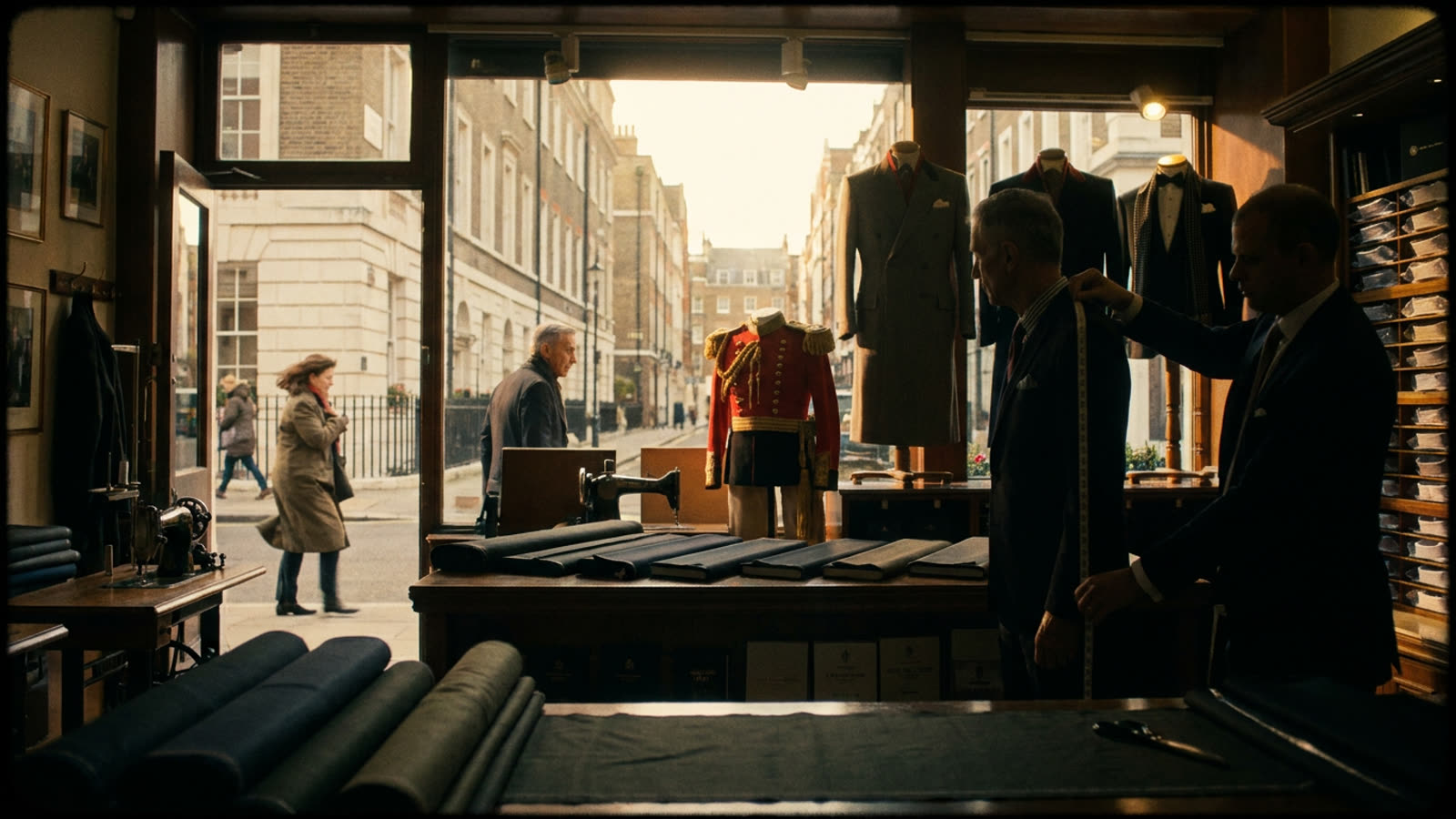
Murano's predicament mirrors that of many heritage luxury crafts, from Savile Row tailoring to Swiss mechanical watchmaking. The solution likely requires embracing controlled modernization: shorter, more structured training programs, better working conditions, and perhaps most critically, finding ways to maintain exclusivity while reaching new markets. The irony is stark—in an age obsessed with authenticity and craftsmanship, one of humanity's oldest luxury crafts struggles to survive. Whether Murano's fires burn for another eight centuries may depend less on the quality of its glass than on its ability to make an ancient art feel urgent to a new generation.