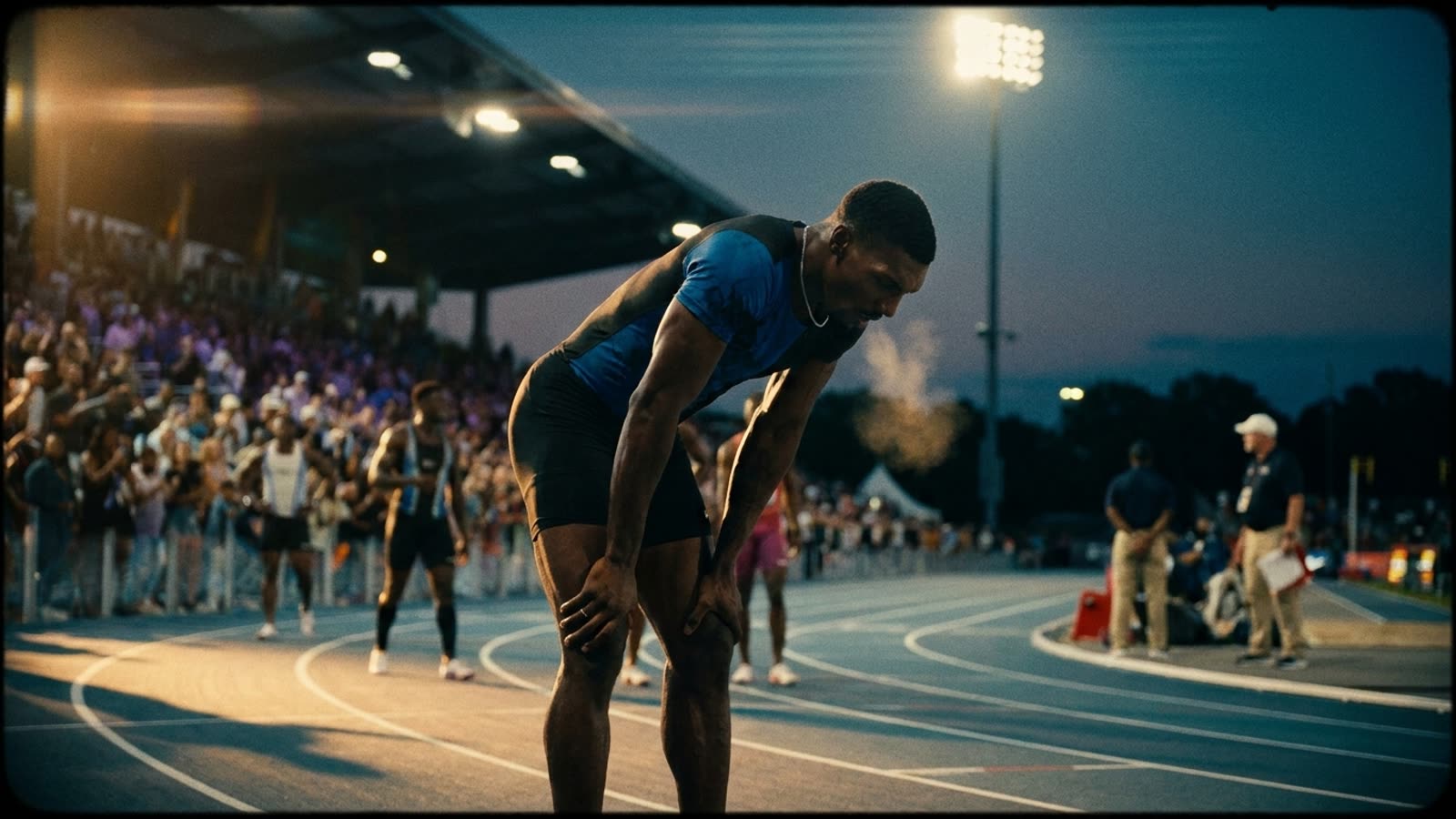
The Enhanced Games, the much-hyped experiment in pharmacologically unrestricted athletics, was supposed to demonstrate what human performance looks like when you remove the pretense of drug testing. Instead, it offered an accidental lesson in the limits of synthetic advantage: in several events, athletes who competed without performance-enhancing drugs beat their chemically augmented rivals.
The irony is exquisite. A competition designed to celebrate the outer boundaries of pharmaceutical enhancement ended up validating the stubborn relevance of natural talent, discipline, and years of unglamorous training.
The results nobody expected
Across multiple disciplines, non-enhanced competitors—athletes who voluntarily submitted to rigorous testing to confirm their clean status—outperformed rivals openly using anabolic steroids, growth hormone, and other banned substances. The margins were not always dramatic, but they were undeniable. In a sport where milliseconds and millimeters separate glory from anonymity, clean athletes stood on podiums that were supposed to belong to their juiced counterparts.
The Enhanced Games had marketed itself as the honest alternative to traditional athletics, arguing that since elite sport is already riddled with covert doping, why not make it transparent? The premise assumed that removing restrictions would produce superhuman performances that would dwarf anything seen at the Olympics. What it failed to account for was that drugs are tools, not substitutes for the thousands of hours of technique refinement, mental fortitude, and genetic lottery that separate world-class athletes from merely very good ones.
What chemistry can and cannot buy
Performance-enhancing drugs undeniably work. They accelerate recovery, increase muscle mass, and can extend careers. But they do not teach an athlete how to read a race, manage lactic acid buildup through pacing, or stay composed when the pressure peaks. The Enhanced Games inadvertently demonstrated that a mediocre athlete on a sophisticated drug protocol remains a mediocre athlete—just one with better bloodwork.
This is not an argument for complacency about doping in traditional sport. The health risks, the competitive inequities, and the ethical rot that accompanies systematic cheating remain serious problems. But the Enhanced Games' own data suggests that the obsession with pharmaceutical shortcuts has always overstated their transformative power.
Our take
The Enhanced Games set out to prove that clean sport is a fiction and that the chemically liberated body is the future of athletics. It proved something closer to the opposite: that drugs are a marginal input in a system dominated by talent, training, and intangibles that no syringe can deliver. The event will continue, and its backers will spin the results however they like. But for those who believe that sport still rewards preparation over pharmacology, this was an unexpectedly reassuring weekend.