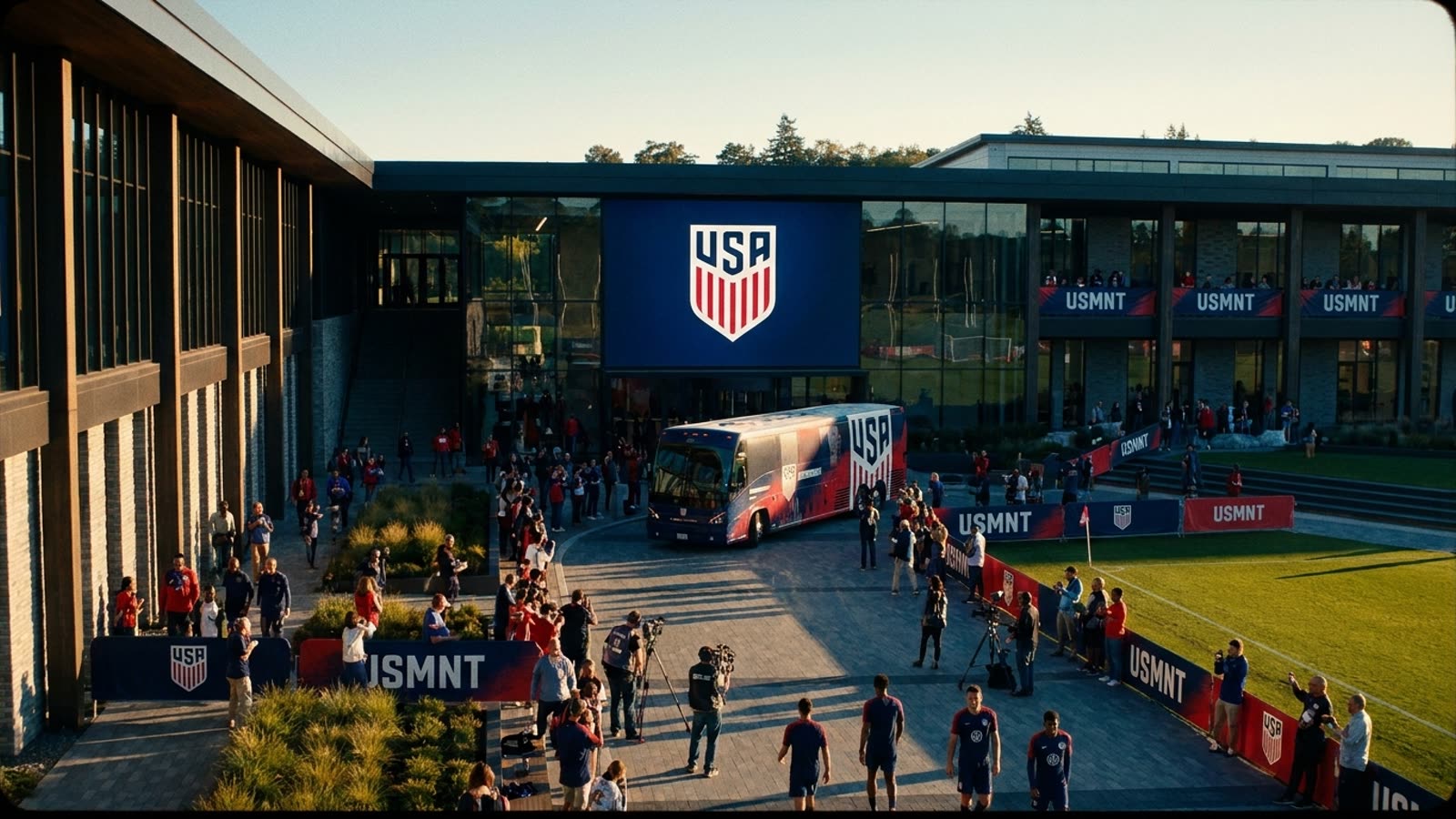
The roster is set. Twenty-six names, announced to a country that has spent years oscillating between soccer apathy and soccer curiosity, now tasked with something no American men's team has accomplished: winning a World Cup. The tournament is here, the stadiums are American, and the pressure is unlike anything this program has experienced.
This is not the plucky underdog story that American soccer has traded on for decades. The 2026 squad features players who start for elite European clubs, who have won Champions League matches, who command transfer fees that would have seemed absurd for Americans even a decade ago. Christian Pulisic, Weston McKennie, Tyler Adams, Gio Reyna—names that European fans actually recognize. The talent gap between this group and the 2014 or 2018 squads is not marginal; it is generational.
The weight of hosting
Host nations carry a peculiar burden. The home crowd amplifies everything—every misplaced pass, every defensive lapse, every moment of hesitation. South Korea rode that energy to a semifinal in 2002. France collapsed under it in 2010. The United States has never hosted a men's World Cup knockout match with genuine title expectations. The 1994 tournament was a celebration of arrival; 2026 is supposed to be a coronation.
The squad's European pedigree cuts both ways. These players know pressure, but they also know that club success does not automatically translate to international tournaments. Germany's 2018 squad was loaded with Champions League winners; they went home in the group stage. Spain's golden generation won everything, then didn't. Talent is necessary but insufficient.
The tactical question
Gregg Berhalter's system will face its ultimate test. The 26-man roster suggests flexibility—enough defensive midfielders to play compact, enough attacking talent to play expansive. But the World Cup compresses preparation time and magnifies small errors. A team that has played together sporadically, scattered across European leagues, must become cohesive in weeks.
The depth is real, perhaps for the first time. Injuries that would have derailed previous cycles now merely shuffle the lineup. But depth matters only if the coaching staff deploys it correctly, and Berhalter's tournament management remains unproven at this level.
Our take
The USMNT has never been better positioned, and that is precisely what makes this moment so precarious. Anything short of a deep run will be treated as failure by a sporting public that has been told, repeatedly, that American soccer has finally arrived. The 26 players on this roster did not choose this burden—they earned it by being good enough to carry it. Whether they can actually deliver is the only question that matters now, and we will have our answer within weeks.