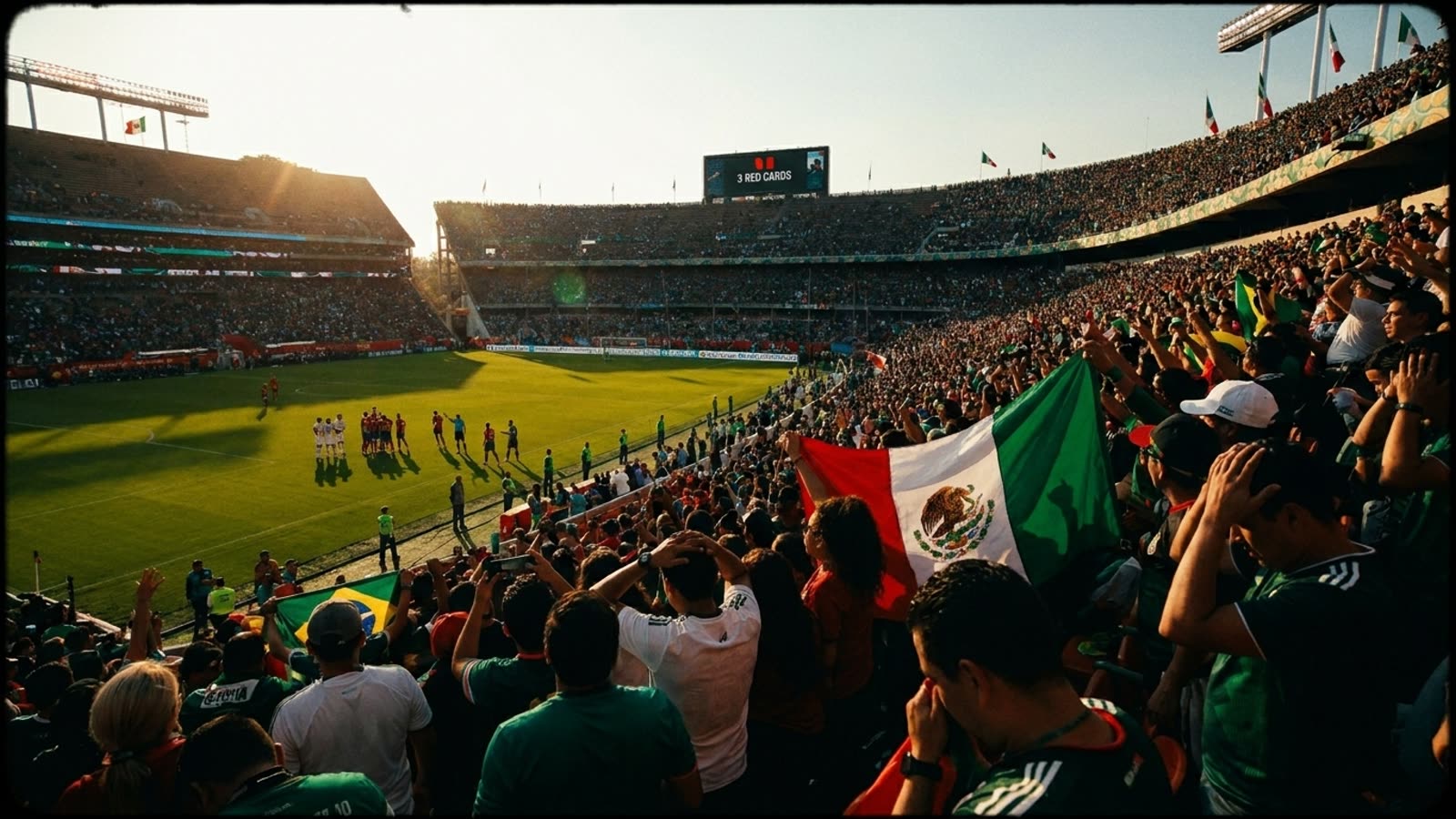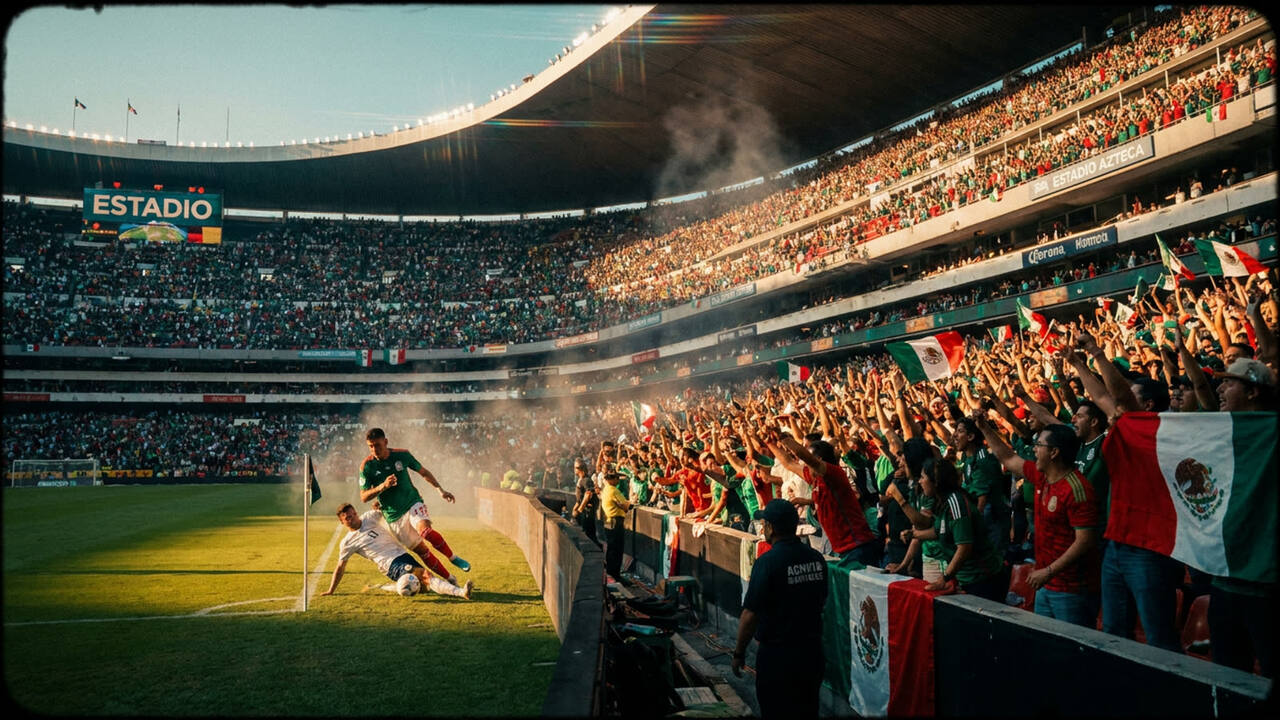
The scoreline will read Mexico 2, South Africa 1, but the arithmetic misses the point entirely. What unfolded at the Estadio Azteca on Wednesday night was less a football match than a séance — 87,000 souls summoning the ghosts of 1970 and 1986, demanding that the crumbling concrete cathedral prove it still possessed whatever ineffable quality once made it the most feared venue in international football.
It did. Barely.
A stadium with something to prove
The Azteca's selection as a 2026 host venue was not without controversy. At 7,200 feet above sea level, the altitude remains a physiological weapon, but the stadium itself had aged poorly — a relic of mid-century modernism now surrounded by the sprawl of a megacity that has outgrown it. FIFA's inspectors had concerns. So did the Mexican Football Federation, which poured resources into renovations that were completed only weeks before kickoff.
The result is a venue caught between eras: new seats and modern amenities grafted onto bones that remember Pelé lifting the Jules Rimet trophy. The crowd seemed to understand this tension instinctively. The pre-match atmosphere carried an edge of desperation, as if the fans knew they were auditioning not just their team but their country's claim to footballing relevance.
The match itself was secondary
Mexico's goals — a first-half header from Santi Giménez and a late insurance strike — were technically proficient but spiritually inevitable. The Azteca demanded victory, and El Tri complied. South Africa, reduced to nine men after two red cards in what became the most ill-disciplined World Cup opener on record, never stood a chance against the crowd as much as the opposition.
The statistics will show Mexico controlled possession and created chances. What they cannot capture is the sound that erupted when Giménez found the net — a release of pressure that had been building since Mexico's humiliating group-stage exit in Qatar four years ago, since the federation's corruption scandals, since the pandemic emptied the Azteca and left it echoing.
What the World Cup needs from Mexico
FIFA's gamble on a 48-team tournament spread across three nations requires anchor hosts capable of generating atmosphere that translates through television screens. Canada offers novelty. The United States offers infrastructure. Mexico offers this — the understanding, bred into generations of supporters, that football is not entertainment but identity.
The Azteca delivered that message emphatically. Whether El Tri can sustain it through a group that includes Argentina remains uncertain. But for one night, in a stadium that has witnessed more World Cup history than any other, Mexico reminded the tournament why it keeps coming back.
Our take
The cynical read is that Mexico beat a depleted opponent in front of a partisan crowd and celebrated like they had won the whole thing. The accurate read is that sports occasionally transcend their competitive function, and Wednesday was one of those nights. The Azteca needed this. Mexican football needed this. And frankly, a World Cup that has struggled to generate pre-tournament buzz needed this too. The tournament is now officially alive.