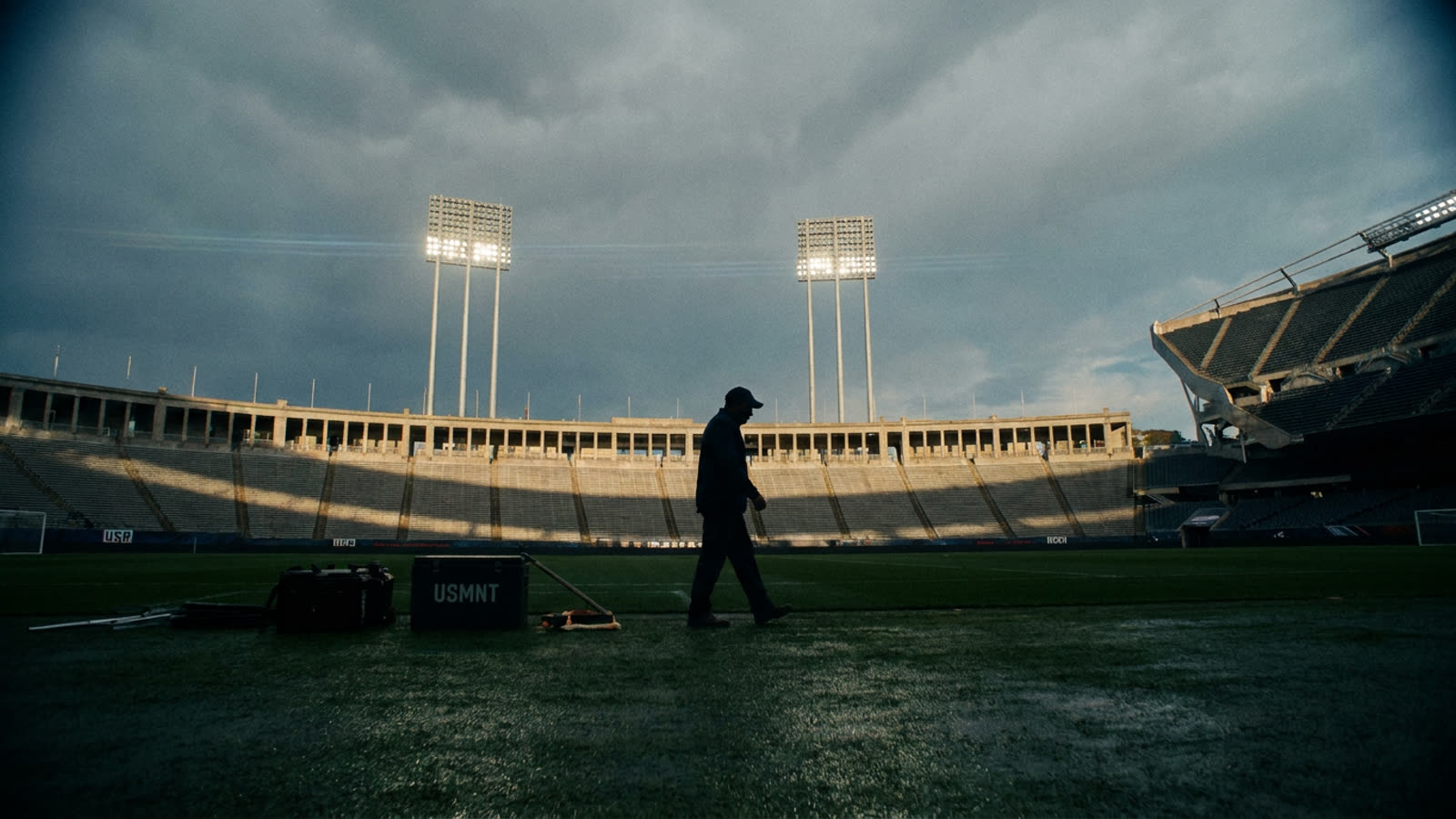
The United States men's national team takes the field against Senegal today in what the calendar insists is a friendly. The timing is peculiar: the 2026 FIFA World Cup begins on American soil in roughly three weeks, and Gregg Berhalter's squad is spending precious preparation time on a match that counts for nothing except injury risk and vague notions of "rhythm."
This is the paradox of being a host nation. The USMNT has no qualifying campaign to sharpen its edge, no do-or-die matches to forge tournament mentality. Instead, it gets friendlies—glorified scrimmages against opponents who may or may not bring their best, scheduled primarily to fill television slots and satisfy sponsor obligations.
The case for meaningless matches
Berhalter's camp argues these games serve a purpose. New formations need testing. Fringe roster players need evaluation. The coaching staff needs live-fire data that training sessions cannot provide. Christian Pulisic, Weston McKennie, and the rest of the core need minutes together before the stakes become existential.
There is also the commercial reality. A home World Cup is a once-in-a-generation revenue event, and U.S. Soccer is not about to let the weeks before kickoff pass without monetizing fan enthusiasm. Friendlies against recognizable opponents like Senegal—a team with its own World Cup pedigree and star power in Sadio Mané's successors—sell tickets and build narrative momentum.
The case against
But the counterargument is equally compelling. Every minute Pulisic spends on the pitch against Senegal is a minute his hamstrings are exposed to the chaos of competitive football. Every tackle McKennie absorbs is a lottery ticket for a knock that could sideline him when it matters. The 2022 World Cup taught brutal lessons about squad depth; the USMNT cannot afford to sacrifice starters to the altar of "match fitness."
Moreover, the opponent's motivation is asymmetric. Senegal is using this match to prepare for their own World Cup campaign. They have every incentive to play hard, to test their systems against a host nation that will face global scrutiny. The USMNT, by contrast, gains little from winning and risks everything from losing—both literally, in terms of injuries, and figuratively, in terms of the confidence spiral a poor performance could trigger.
Our take
The USMNT's friendly schedule reflects the uncomfortable truth about hosting a World Cup: the tournament arrives whether you're ready or not, and there's no perfect way to simulate the pressure of a knockout match in June. Berhalter is threading a needle between preparation and preservation, and history will judge him on the outcome, not the process. But watching American stars take unnecessary contact three weeks before the biggest sporting event in the country's history feels less like shrewd planning and more like tempting fate. Sometimes the smartest move is to do nothing at all.