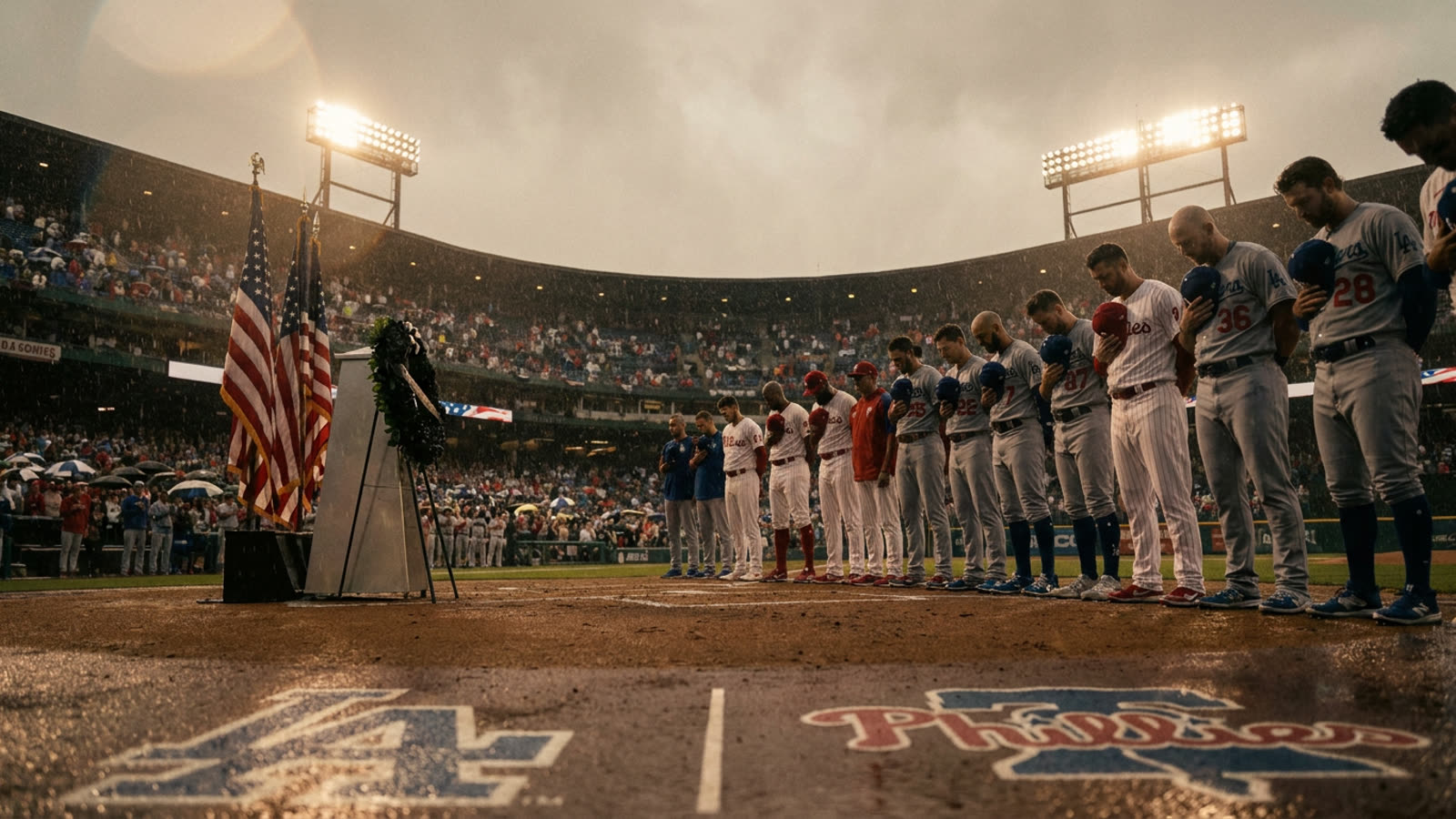
Baseball has a relevance problem, and it knows it. The sport that once dominated American summers now competes for attention with year-round NBA drama, NFL offseason content, and whatever algorithmic chaos TikTok serves up on any given afternoon. But occasionally, the schedule delivers a reminder of what makes the game worth watching — and Phillies versus Dodgers on Memorial Day weekend is exactly that kind of series.
The two clubs entered the weekend as the National League's clear class, each boasting rosters constructed to win now and payrolls that reflect ownership groups unafraid of the luxury tax. Philadelphia's lineup remains one of baseball's most dangerous, while Los Angeles continues to stockpile talent with the casual confidence of a franchise that treats World Series appearances as annual expectations rather than aspirations.
The stakes beneath the standings
It is late May, which means the standings technically matter less than they will in September. But the Phillies and Dodgers are not playing for positioning alone. They are establishing psychological territory for a potential NLCS rematch, the kind of October collision that both fanbases have circled since spring training. Every at-bat in a series like this carries subtext: how does their bullpen handle our lineup? Can our defense hold up in their ballpark? Which team flinches first when the moment tightens?
These questions do not get answered definitively in May, but they begin to form impressions that linger. Players remember who came through in big spots. Managers file away tendencies. The scouting reports thicken.
Baseball's attention economy
Major League Baseball has spent years trying to manufacture excitement through rule changes — pitch clocks, bigger bases, shift restrictions — all designed to quicken pace and boost action. The efforts have helped. Games are shorter, and the product moves faster than it did a decade ago.
But the sport's real drama has always come from matchups that feel consequential, and no rule change can fabricate that. Phillies-Dodgers works because both teams are genuinely excellent, because their rosters feature recognizable stars, and because the outcome might actually matter come October. It is organic stakes in a league that often struggles to generate them during the regular season's 162-game slog.
Our take
Baseball does not need saving, but it does need more weekends like this one. The Phillies and Dodgers are doing the sport a favor simply by being this good at the same time, in the same league, with October trajectories that seem destined to intersect. Enjoy it while the sun is out and the games still feel like appetizers. The main course is coming.