The United States is learning an expensive lesson about soft power: when the world sours on your politics, it stops booking your hotels.
International tourism to America has entered a pronounced decline, with millions fewer visitors translating into billions of dollars evaporating from an economy that had only recently recovered from pandemic-era devastation. The culprit isn't airfare or visa backlogs—it's perception. Surveys of potential travelers consistently cite concerns about safety, political instability, and a general sense that America has become unwelcoming. The tourism industry, which employs millions and supports everything from Manhattan restaurants to Arizona national parks, is watching its international customer base shrink in real time.
The numbers tell a brutal story
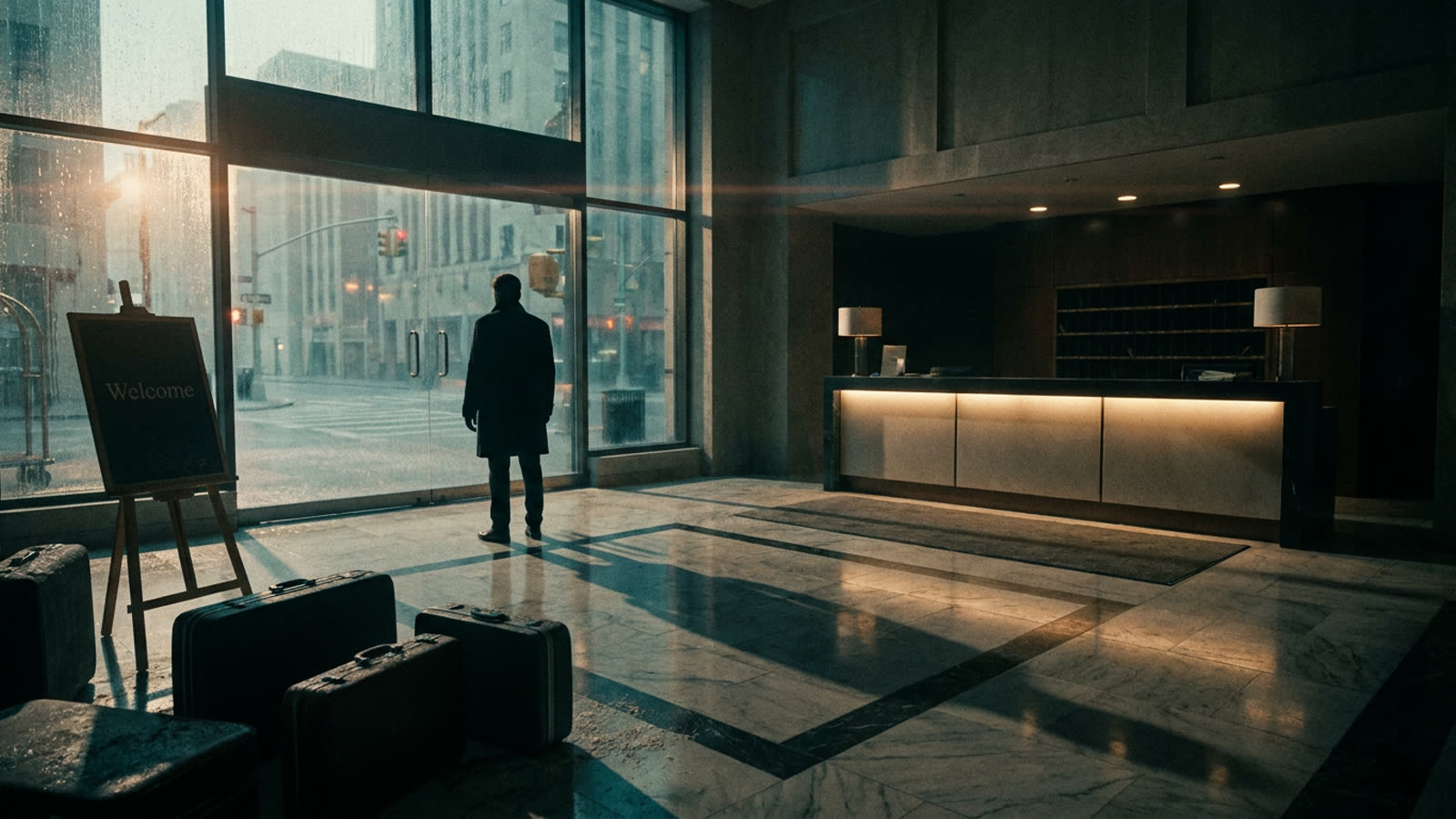
Gateway cities that depend on foreign visitors are feeling the squeeze acutely. New York, Los Angeles, and Miami—the traditional entry points for international tourists—report hotel occupancy rates well below pre-pandemic peaks, with the shortfall concentrated among overseas guests rather than domestic travelers. Business travel, which had already been permanently altered by remote work, offers no cushion. Convention bookings remain soft, and corporate travel budgets increasingly favor destinations perceived as more stable or more welcoming.
The downstream effects ripple through local economies in ways that don't make headlines but devastate livelihoods. Tour operators, language-specific guides, international-focused retail, and the restaurants that catered to expense accounts and vacation splurges are all contracting. Employment in tourism-adjacent sectors has stalled even as the broader labor market shows resilience.
Perception as economic reality
What makes this downturn particularly difficult to reverse is its psychological foundation. Traditional tourism marketing—glossy campaigns featuring national parks and skylines—cannot address the underlying concern. Potential visitors aren't worried about whether America is beautiful; they're worried about whether it's safe, whether they'll be welcome, and whether the political chaos they see in international news coverage will affect their trip.
European and Asian travelers, who historically represented the highest-spending visitor segments, have proven especially sensitive to these concerns. Alternative destinations—Portugal, Japan, the UAE—have aggressively marketed themselves as stable, welcoming, and hassle-free, capturing market share that America may not easily reclaim.
Our take
Tourism is the softest of soft power metrics, but it's also one of the most economically consequential. Every visitor who chooses Lisbon over Los Angeles represents not just lost hotel revenue but a broader verdict on American appeal. The current administration may not care about international opinion polls, but the hospitality industry's balance sheets are delivering the same message in a language that's harder to ignore. Rebuilding America's tourism economy will require more than marketing budgets—it will require convincing the world that the country is worth the trip. That's a harder sell than it used to be.