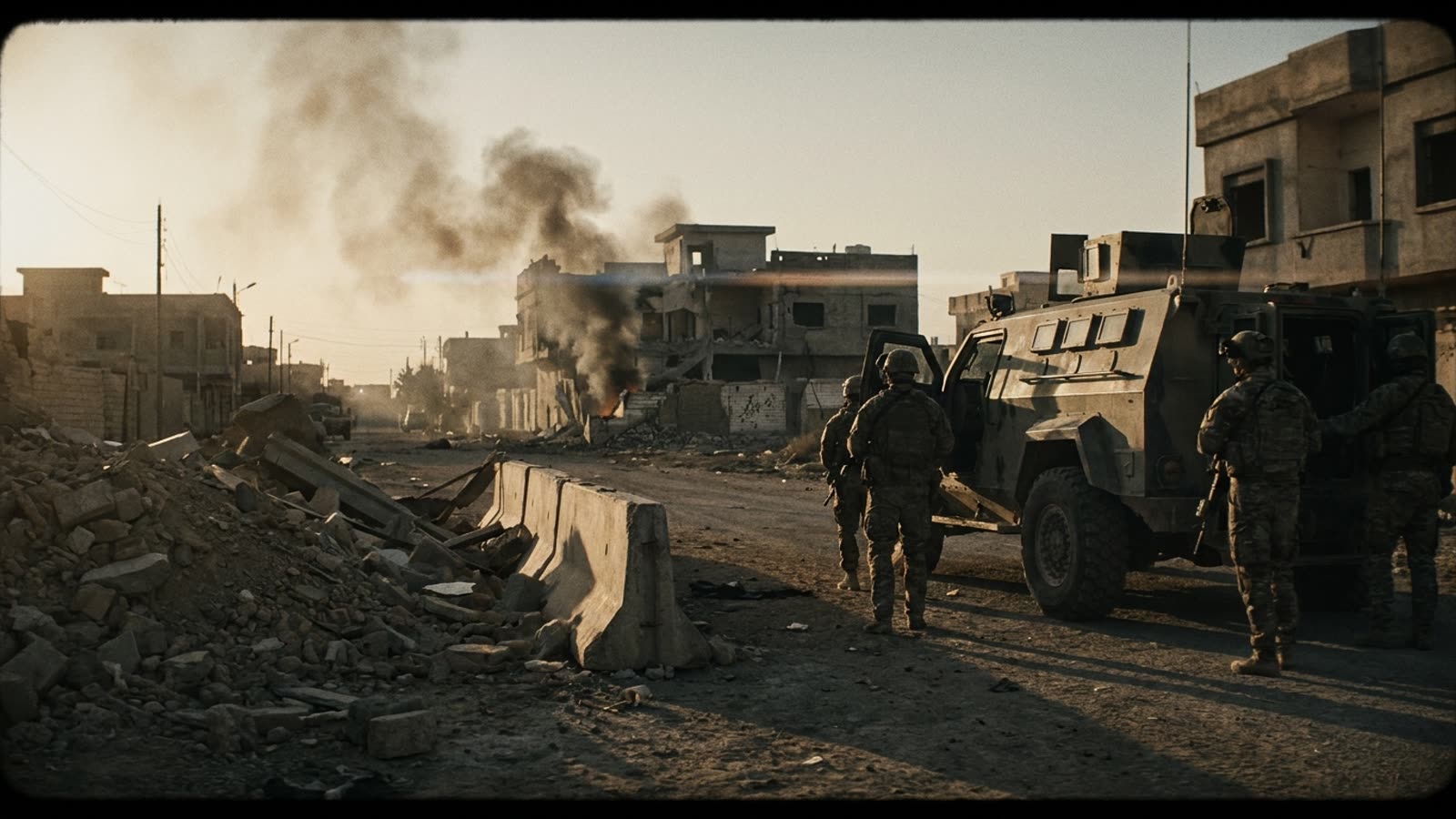
The United States has crossed a threshold that will reshape how Washington—and the world—thinks about transnational crime. President Trump ordered a military strike that killed a senior leader of Tren de Aragua, the Venezuelan mega-gang that has spread across Latin America and into American cities, and the administration released video footage of the operation within hours. This is not a cartel kingpin extradited after years of legal wrangling. This is a drone strike, the kind previously reserved for al-Qaeda operatives in Yemen or ISIS commanders in Syria, deployed against a criminal target.
The immediate political logic is straightforward: Tren de Aragua has become a potent symbol in the immigration debate, blamed for violent crimes from Aurora, Colorado to New York City. Trump had designated the gang a foreign terrorist organization earlier this year, a legal maneuver that unlocked the authorities now being exercised. The strike delivers a visceral, made-for-television demonstration of resolve that no arrest-and-prosecution cycle could match.
The legal architecture is novel and contested
Designating a street gang as a terrorist organization is not unprecedented—MS-13 was similarly labeled—but using that designation to justify lethal strikes outside active combat zones is genuinely new territory. The administration argues that the 2001 Authorization for Use of Military Force, combined with the terrorist designation, provides sufficient legal cover. Critics, including several former State Department lawyers, counter that Congress never contemplated drone strikes against gang leaders in South America when it authorized force against the perpetrators of 9/11. Expect litigation, congressional hearings, and furious diplomatic cables.
Latin American governments face an uncomfortable choice
The strike reportedly occurred in a country that has not been officially named, though reporting suggests a location in northern South America. Whatever government hosts that territory now confronts a dilemma: publicly protest and risk alienating Washington, or quietly acquiesce and face domestic accusations of surrendering sovereignty. Venezuela, whose collapsed state incubated Tren de Aragua, will almost certainly denounce the operation, but Caracas has no leverage to do anything about it. Neighboring countries that have struggled with the gang's expansion—Colombia, Peru, Chile—may privately welcome the result while publicly expressing concern about precedent.
The propaganda footage is the point
Releasing video of the strike within hours is a deliberate choice. The administration wants the imagery circulating on social media, wants potential gang recruits to see what American military power can do, wants domestic audiences to associate Trump with decisive action. This is counter-messaging as kinetic policy. Whether it actually degrades Tren de Aragua's operations is almost secondary; the symbolic victory is the primary objective.
Our take
The strike will poll well and the legal challenges will take years to resolve, which is precisely the calculation. But the precedent is genuinely significant. If a terrorist designation can convert a criminal organization into a legitimate military target anywhere on Earth, the distinction between law enforcement and warfare blurs in ways that future administrations—of any party—may find convenient. That should make everyone, including those who loathe Tren de Aragua, at least a little uneasy.