Every democracy runs on paperwork, and the people who process that paperwork hold more power than most citizens realize. Electoral commissions—whether called election boards, returning officers, or electoral councils—exist in nearly every democracy, yet they operate in a strange twilight between bureaucratic obscurity and existential importance. They are the gatekeepers of democratic participation itself.
The basic function seems clerical: maintain voter rolls, certify candidates, count ballots, announce results. But each of these tasks contains enormous discretionary power. Which forms of identification satisfy registration requirements? How many polling stations serve a given district, and where? What constitutes a valid signature on a petition? These granular decisions, made far from cameras and campaign rallies, shape electoral outcomes before anyone enters a voting booth.
The spectrum of independence
Electoral commissions vary wildly in their relationship to political power. At one extreme sits the model pioneered by countries like Australia and Canada, where independent statutory bodies operate at arm's length from government, staffed by career civil servants with security of tenure. At the other extreme, the United States fragments electoral administration across thousands of county and municipal offices, often run by elected partisans who simultaneously campaign for their preferred candidates.
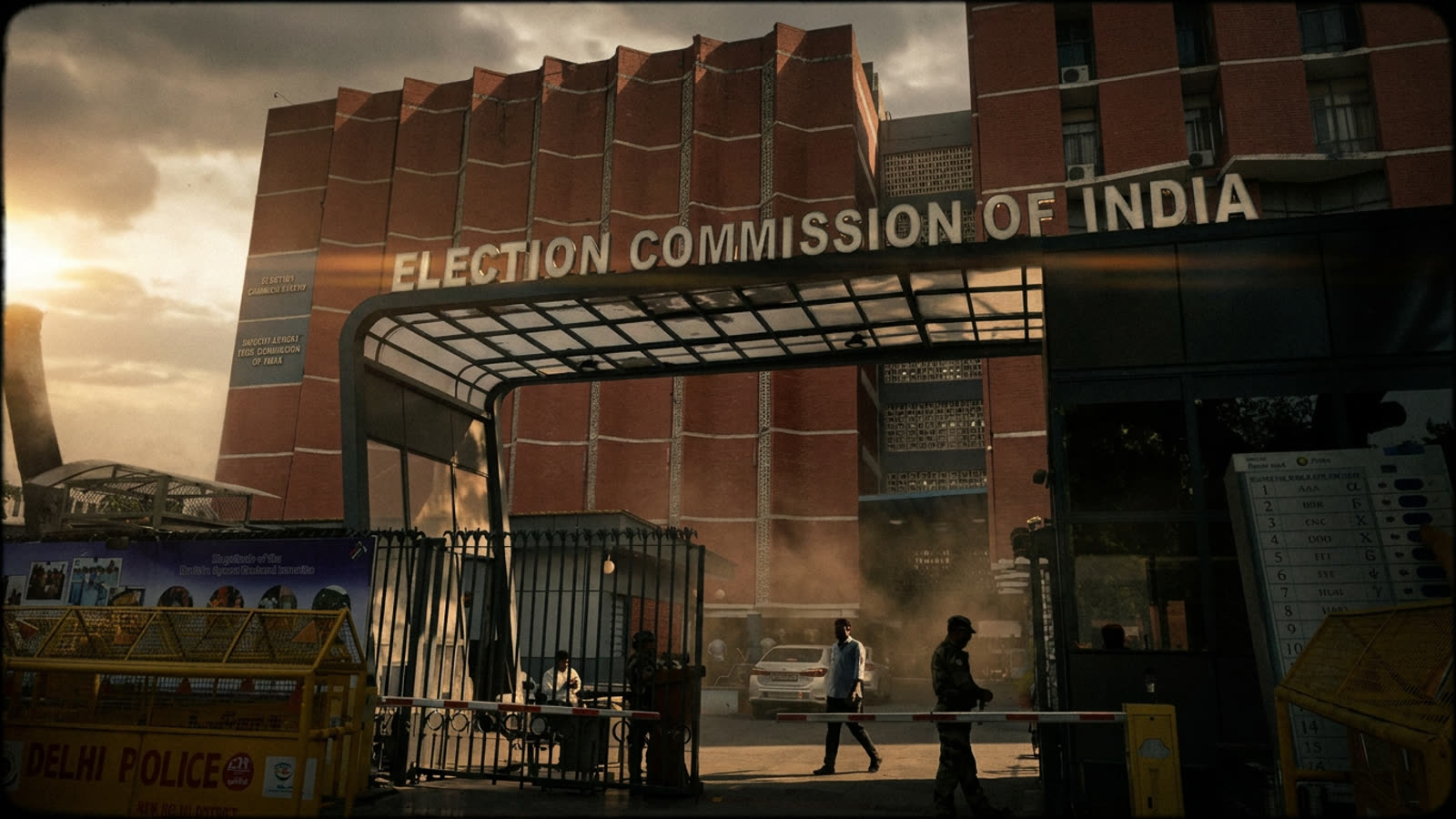
Between these poles lie hybrid arrangements: commissions with bipartisan membership that can deadlock along party lines, bodies appointed by presidents or parliaments with varying degrees of insulation, and systems where courts serve as ultimate arbiters of electoral disputes. India's Election Commission, which manages the world's largest democratic exercises, derives authority from constitutional provisions that grant its chief considerable autonomy—though appointments remain politically influenced.
The design choice matters enormously. When electoral administration is captured by partisan interests, the temptation to manipulate voter access, ballot design, or counting procedures becomes difficult to resist. When it is too insulated, commissions may grow unresponsive to legitimate concerns about accessibility or modernization.
Where manipulation hides
The most consequential commission decisions often attract the least attention. Voter roll maintenance—purging deceased or relocated voters—can easily become a tool for mass disenfranchisement if conducted aggressively before elections without adequate notice. Signature-matching requirements for mail ballots grant individual officials remarkable latitude to accept or reject votes based on subjective assessments of handwriting consistency.
Candidate certification presents another pressure point. Commissions that verify petition signatures or assess eligibility requirements can effectively veto candidacies through selective enforcement. In systems where minor parties must demonstrate support thresholds, the technical rules governing signature collection and verification determine whether alternative voices reach the ballot at all.
Even seemingly neutral decisions about polling place locations, voting machine allocation, and early voting hours distribute democratic access unevenly. Neighborhoods that receive fewer machines experience longer lines; jurisdictions that restrict early voting impose greater burdens on hourly workers. These choices rarely reflect explicit partisan intent but reliably produce partisan effects.
Our take
Electoral commissions represent democracy's immune system—invisible when functioning properly, catastrophic when compromised. The current global trend toward democratic backsliding often begins not with tanks in the streets but with quiet procedural changes in electoral administration: a tightened ID requirement here, a purged voter roll there, a rejected candidacy on technical grounds. Citizens who care about democratic health should pay less attention to campaign rhetoric and more attention to who runs their elections, how those officials are chosen, and what rules constrain their discretion. The boring stuff is where democracy lives or dies.