The United States has sanctioned Nobitex, Iran's dominant cryptocurrency exchange, alleging the platform facilitated transactions for the Islamic Revolutionary Guard Corps—a designation that transforms a regional fintech player into an instrument of state-sponsored financial warfare.
The Treasury Department's Office of Foreign Assets Control announced the action on Monday, accusing Nobitex of processing transactions that enabled the IRGC to circumvent existing sanctions architecture. The exchange, which has operated as Iran's de facto on-ramp to digital assets since international banking restrictions tightened, allegedly moved funds for entities already blacklisted under U.S. counterterrorism and nonproliferation programs.
The sanctions-evasion thesis
Washington has long suspected that Tehran uses cryptocurrency to sidestep the dollar-denominated financial system that underpins American economic leverage. The Nobitex action represents the first time OFAC has designated a country's primary consumer-facing crypto exchange—rather than individual wallets or smaller operators—for alleged state-actor facilitation. The distinction matters: Nobitex reportedly served millions of Iranian users, making it systemically important to the country's parallel financial infrastructure.
The designation freezes any Nobitex assets under U.S. jurisdiction and prohibits American persons from transacting with the platform. More consequentially, it creates secondary-sanctions risk for any foreign entity that continues dealing with the exchange, a pressure campaign designed to isolate Nobitex from global liquidity pools.
Timing and Tehran
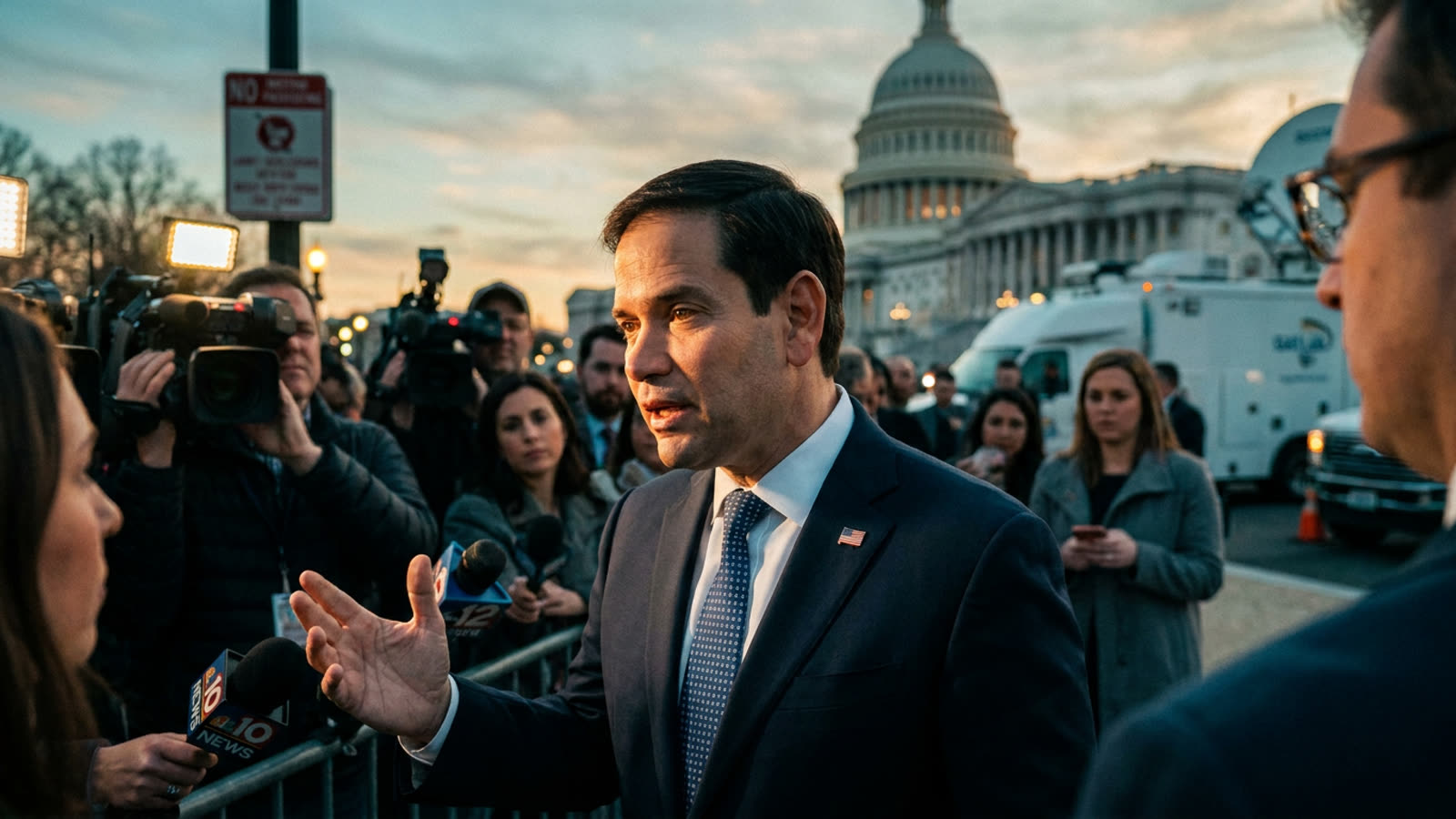
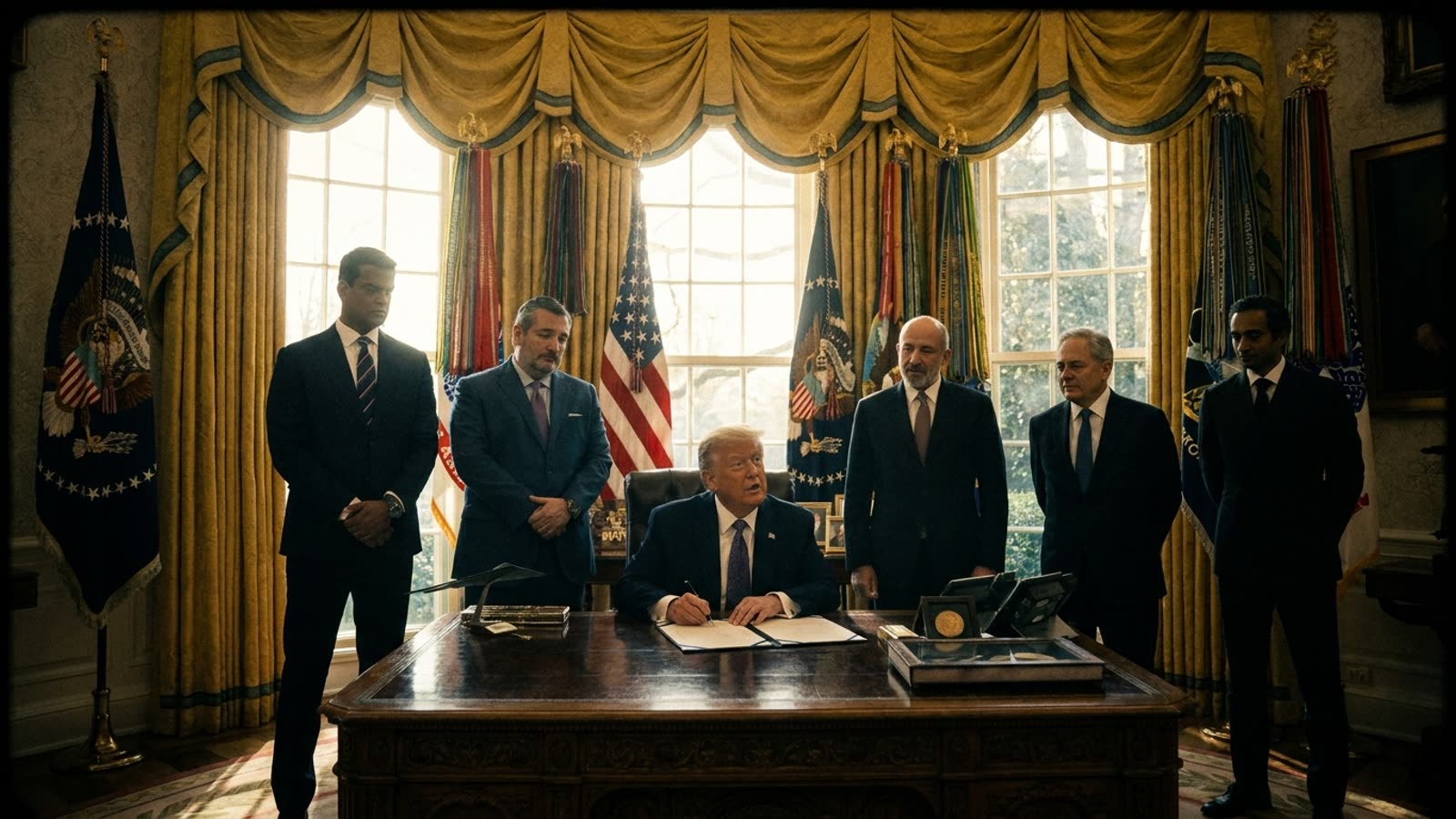
The sanctions arrive during a peculiar diplomatic moment. Secretary of State Marco Rubio testified Monday that Washington would not trade sanctions relief for Iranian guarantees on Strait of Hormuz navigation, even as President Trump insisted that negotiations with Tehran continue "on a continuous basis." The Nobitex action suggests the administration is tightening economic pressure precisely when diplomatic channels remain nominally open—a classic maximum-pressure sequencing that characterized Trump's first-term Iran policy.
Tehran has not formally responded to the designation, though Iranian officials have previously dismissed U.S. crypto sanctions as extraterritorial overreach with limited practical effect inside the country.
Implications for crypto enforcement
The action signals that Treasury views large-scale exchanges as legitimate sanctions targets when they serve as national financial infrastructure for designated regimes. Compliance officers at exchanges operating in jurisdictions with Iranian user exposure will read the designation as a warning shot. The secondary-sanctions threat extends OFAC's reach beyond American borders, potentially forcing non-U.S. platforms to implement stricter Iranian-user screening or risk losing correspondent banking relationships.
Our take
The Nobitex sanction is less about cryptocurrency than about demonstrating that no financial technology is sanctions-proof when Washington decides to act. The designation will not collapse Iran's access to digital assets—determined actors will migrate to decentralized protocols or smaller exchanges—but it raises the cost and complexity of evasion. For the broader crypto industry, the message is clarifying: regulatory neutrality ends where national security begins, and exchanges that serve as state-adjacent infrastructure will be treated accordingly.