The American consumer, that indefatigable engine of global growth, appears unbothered by the specter of war in the Persian Gulf. May retail sales data released today showed a 0.6% month-over-month increase, comfortably ahead of the 0.3% economists had penciled in, and a reminder that betting against U.S. household spending remains a losing proposition.
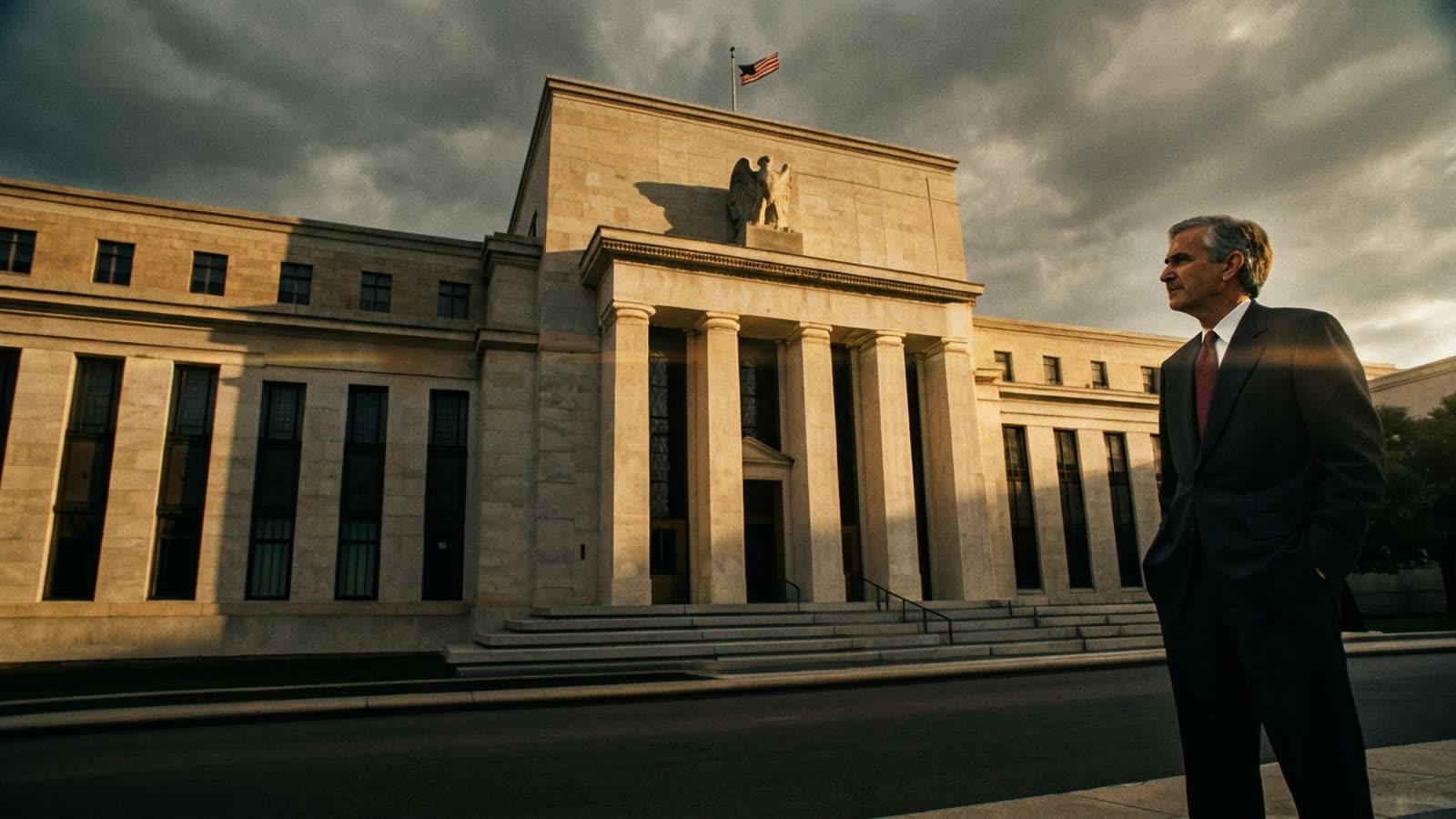
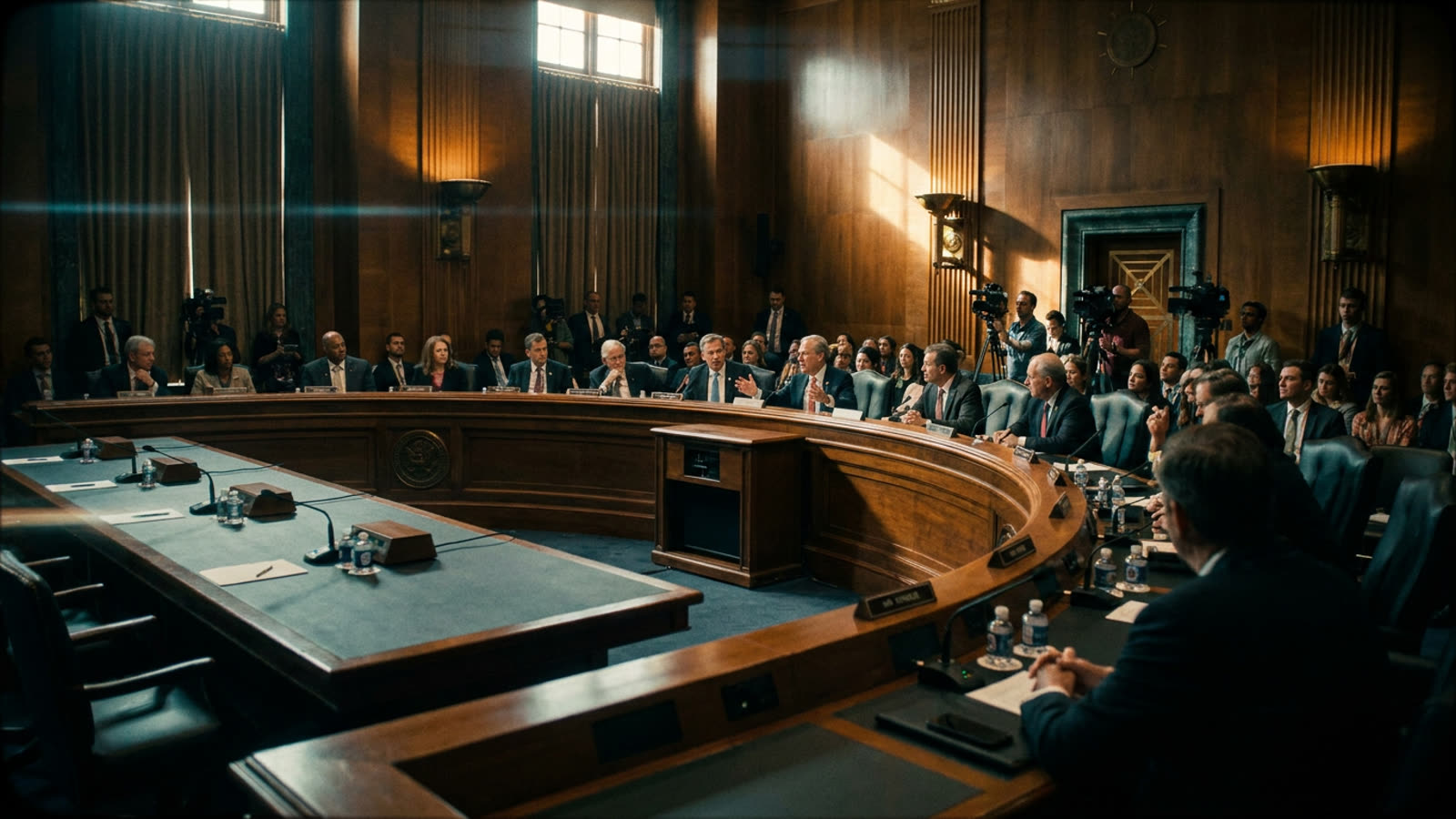
The figures arrive at a peculiar moment. Oil prices have only recently retreated to pre-conflict levels following the Strait of Hormuz reopening, and the Federal Reserve convenes today for what promises to be Kevin Warsh's most consequential meeting since taking the chair. Yet American shoppers, whether oblivious or defiant, continue swiping their cards.
The numbers beneath the numbers
The strength was broad-based, which is what makes the report genuinely encouraging rather than a statistical quirk. Auto sales contributed, but so did restaurants, clothing retailers, and online merchants. Core retail sales—which strip out autos and gasoline to reveal underlying consumer behavior—rose 0.4%, suggesting this isn't merely Americans filling their tanks before prices spike again.
Labor market conditions remain the obvious backstory. Unemployment has held below 4% for over two years now, and wage growth, while moderating, continues to outpace inflation. Households have largely worked through their pandemic-era excess savings, but they've replaced that cushion with steady paychecks and, increasingly, with credit. Consumer debt levels bear watching, but for now, the spending machine hums along.
The war premium that wasn't
When Iranian-backed forces first threatened Hormuz shipping lanes in March, economists rushed to model the consumption shock that would follow $120 oil. It never quite materialized. Prices spiked briefly, then retreated as diplomatic channels opened and alternative supply routes proved more resilient than feared. Today's retail data suggests American consumers either correctly anticipated this outcome or simply refused to let geopolitics dictate their weekend plans.
This resilience complicates the Fed's calculus considerably. Warsh inherits an economy that stubbornly refuses to slow down, even as his predecessors' rate hikes work their way through the system. The case for holding rates steady grows stronger with each robust data point, but so does the risk that inflation proves stickier than models suggest.
Our take
The American consumer has been declared exhausted, tapped out, and finally defeated roughly once per quarter for the past three years. Each time, the obituary proves premature. Today's retail figures won't settle the soft-landing debate—nothing will, until we're safely on the other side of it—but they do suggest the U.S. economy has more shock-absorbing capacity than the pessimists credit. Whether that's cause for celebration or concern depends entirely on which side of the inflation fight you're watching from.