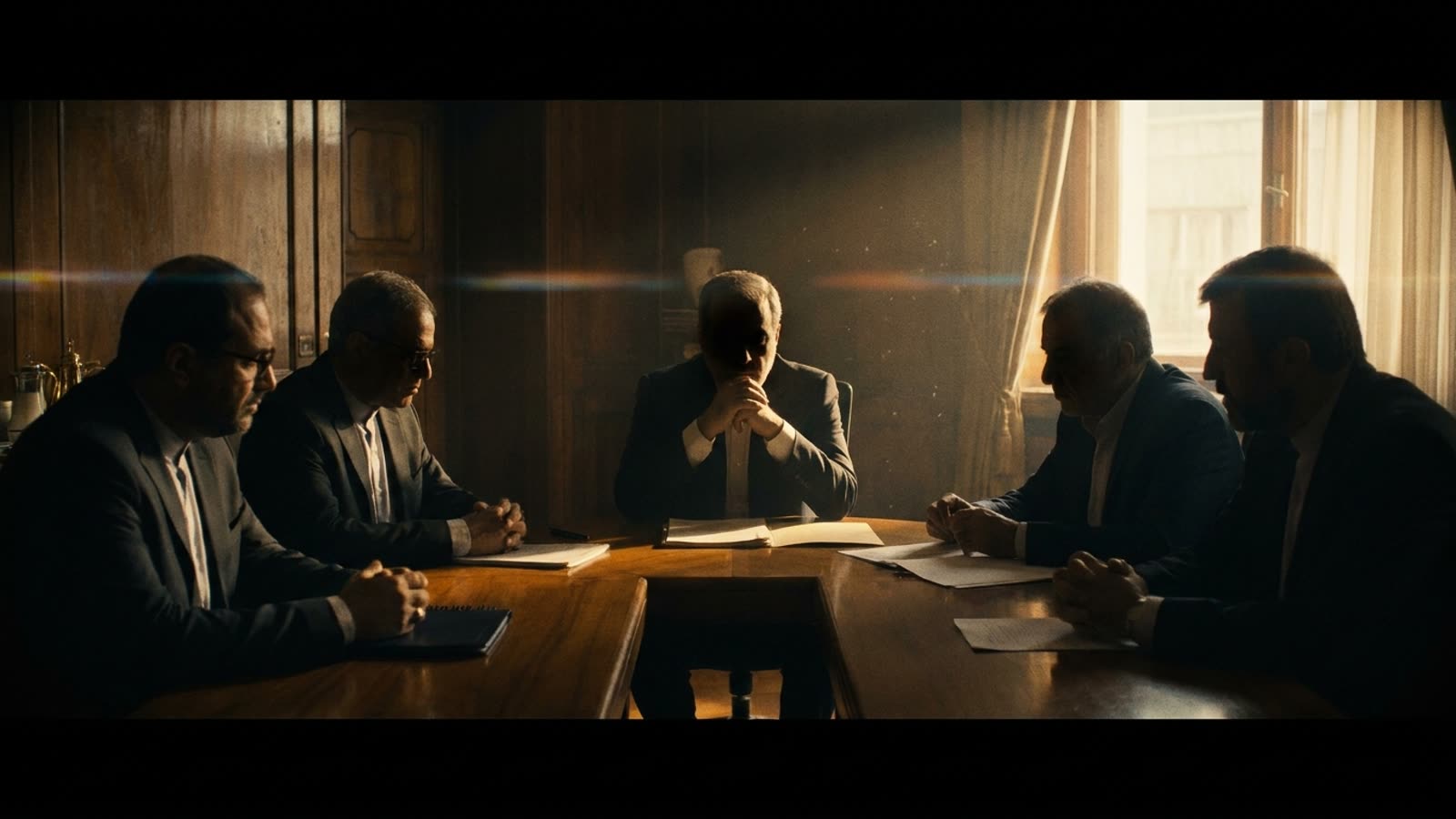
A ceasefire framework between the United States and Iran now exists on paper, the product of back-channel diplomacy conducted through Omani intermediaries while both sides continued trading drone strikes and missile salvos across the Persian Gulf. The outline reportedly includes a mutual stand-down on kinetic operations, a freeze on Iranian uranium enrichment at current levels, and a pathway toward broader sanctions relief—none of which matters until Donald Trump decides whether to sign.
The president's approval is the sole remaining obstacle, and it is not a small one. Trump has spent the past month oscillating between maximalist rhetoric about Iranian capitulation and transactional hints that he would accept a deal if it could be branded as a win. His negotiating style—demand everything, threaten annihilation, then pivot to handshake diplomacy—has produced breakthroughs before, but it has also collapsed agreements at the eleventh hour when domestic allies or foreign counterparts failed to deliver sufficient pageantry.
The terms on the table
According to officials briefed on the framework, Iran would halt all offensive drone and missile activity against U.S. forces and regional partners for an initial ninety-day period. In exchange, Washington would suspend enforcement of certain secondary sanctions affecting Iranian oil exports to China and India—a de facto acknowledgment that those sanctions have been porous anyway. The enrichment freeze would cap stockpiles at current levels, which intelligence estimates place well below weapons-grade but higher than the 2015 JCPOA thresholds. Verification mechanisms remain vague, a concession to Tehran's refusal to readmit international inspectors under humiliating conditions.
Why Trump might balk
The president's political coalition is divided. National security hawks who cheered the recent strikes view any pause as premature; they argue that sustained pressure could force regime collapse or at least a more comprehensive capitulation. Meanwhile, Trump's populist base is weary of Middle Eastern entanglements and would welcome an off-ramp that lets the administration claim victory without further American casualties. The question is which faction Trump listens to on any given morning—and whether he believes the deal's optics are sufficiently triumphant for a Rose Garden ceremony.
There is also the Israel factor. Prime Minister Netanyahu's government has made clear it opposes any arrangement that leaves Iranian enrichment capacity intact, and Trump has historically been solicitous of Israeli concerns. A ceasefire that Jerusalem publicly denounces would be politically awkward, even if privately welcomed by Gulf allies exhausted by the escalation cycle.
Our take
The existence of a draft is progress; its survival is uncertain. Trump has shown he can close deals when he wants the credit and scuttle them when he senses a better play. The next seventy-two hours will reveal whether he sees this ceasefire as a legacy achievement or a negotiating chip to be cashed later. Either way, the region remains one impulsive tweet away from resuming hostilities.