The United States is now actively facilitating Russian oil sales to keep its own gasoline prices from spiraling further out of control—a sentence that would have seemed absurd two years ago, and yet here we are.
The Treasury Department has renewed a 30-day licence permitting certain transactions involving Russian crude, a move designed to flood global markets with enough supply to offset the chaos emanating from the Persian Gulf. The Strait of Hormuz, through which roughly a fifth of the world's oil passes daily, remains effectively closed as US-Iran peace talks have stalled, sending Brent crude on what traders are diplomatically calling "a wild ride" and what American drivers are calling something less printable.
The arithmetic of desperation
The administration's calculus is brutally simple. Iranian supply is offline. Gulf shipping is paralyzed by uncertainty. American consumers are paying the price at the pump, and midterm elections are eighteen months away. Russian oil, sanctioned since the 2022 invasion of Ukraine, suddenly looks less like a geopolitical pariah and more like a pressure-release valve.
The 30-day renewal is technically modest—a bureaucratic extension rather than a formal policy reversal. But symbolism matters in energy markets, and the signal is unmistakable: when forced to choose between punishing Moscow and protecting domestic fuel costs, Washington will choose the latter. European allies, who have spent three years constructing elaborate sanctions architectures, are reportedly less than thrilled.
Hormuz remains the chokepoint
The underlying crisis shows no signs of resolution. US-Iran negotiations, which had shown tentative progress in April, have hit an impasse over the sequencing of sanctions relief and nuclear inspections. Neither side appears willing to move first, and the Strait remains a de facto no-go zone for commercial tankers unwilling to risk insurance complications or worse.
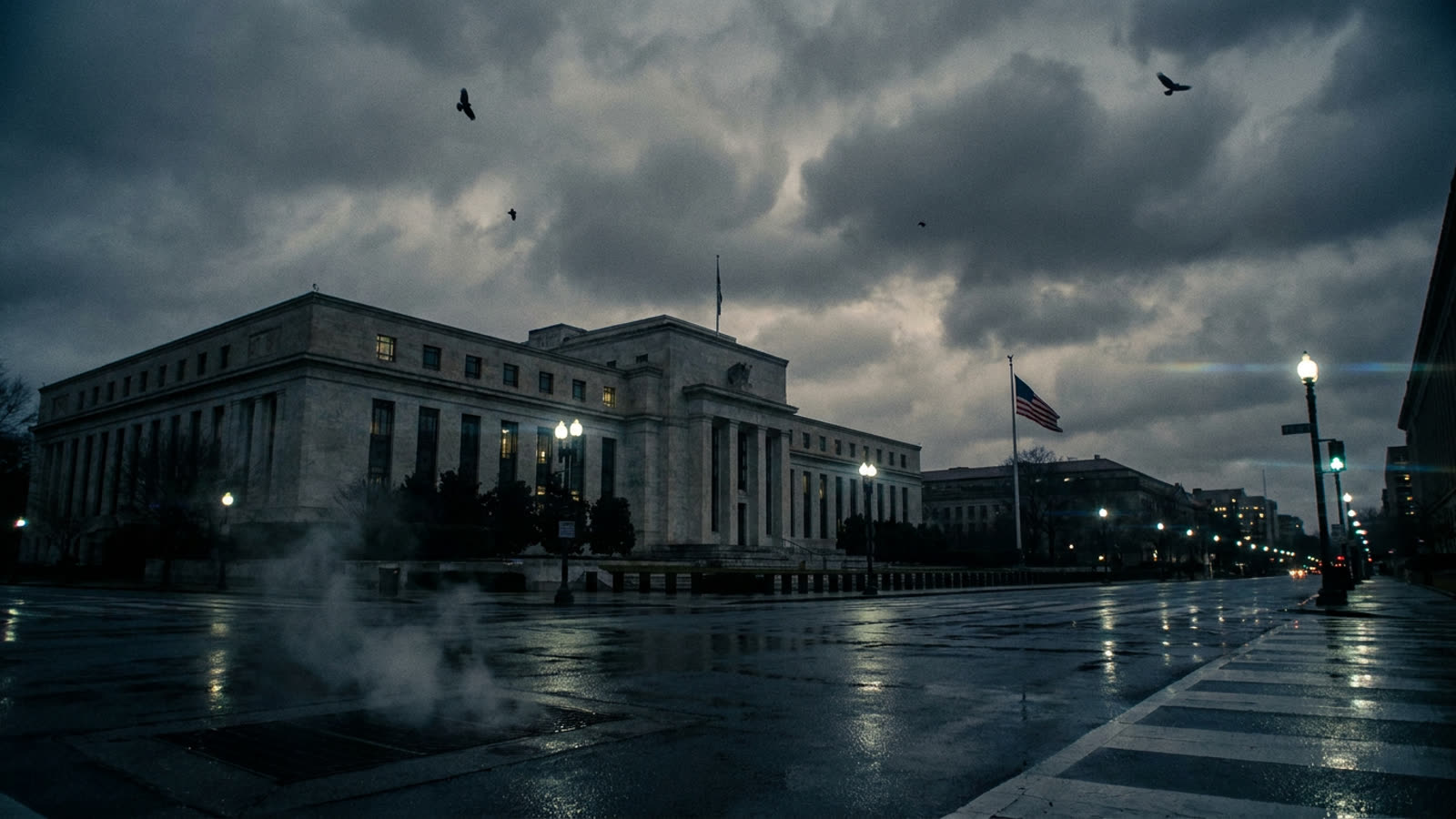
Oil markets have responded with predictable volatility. Brent has swung by more than eight percent in the past week alone, and bond markets are pricing in sustained inflation pressure. The Federal Reserve, which had been signaling potential rate cuts later this year, is now conspicuously silent on timing.
Our take
This is realpolitik in its purest, least comfortable form. The same administration that has positioned itself as tough on Russia is now quietly enabling Russian energy revenues because the alternative—four-dollar gasoline heading into summer driving season—is politically untenable. The policy may be defensible on narrow economic grounds, but it exposes the fundamental tension at the heart of American sanctions strategy: moral clarity is easy when it's cheap, and considerably harder when it shows up on your credit card statement at the Exxon station.