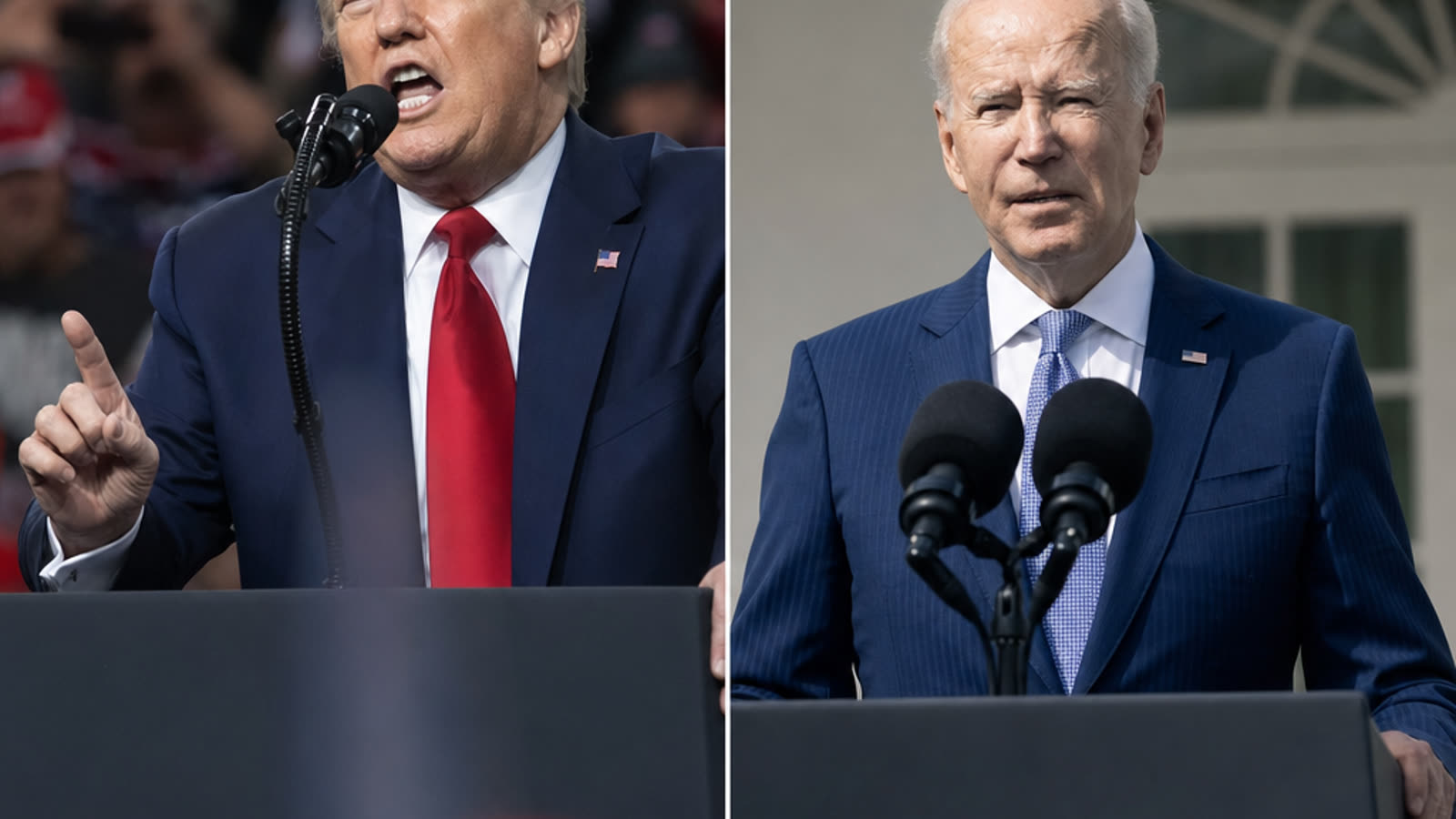
WASHINGTON — The Trump administration has adopted its most confrontational posture toward Iran in more than a year, imposing sweeping new Treasury sanctions on entities tied to the Islamic Revolutionary Guard Corps, tightening enforcement against Iranian oil exports routed through shell companies in Malaysia and China, and redirecting a second carrier strike group to the Arabian Sea in what officials describe as a message of resolve.
The shift, evident in both policy and tone, has injected fresh uncertainty into a Middle East already strained by Israel's security concerns, Gulf states' economic ambitions, and a proxy landscape that Tehran has spent two decades cultivating. Senior administration officials say the president has made clear that "all options" remain under consideration, a formulation that has become noticeably more frequent in White House statements over the past month.
Iran has not blinked. Its enrichment program now operates well above the caps established under the 2015 Joint Comprehensive Plan of Action, which Washington abandoned in the first Trump term and never rejoined. A senior IRGC commander warned last week that the country's "strategic patience is running out," language that Western diplomats interpret as a signal that Tehran may be preparing to cross additional nuclear thresholds or authorize more aggressive action by its regional network.
That network has grown visibly more active. Hezbollah has increased its presence along the Israel-Lebanon frontier, prompting Israeli artillery responses and at least two limited air strikes in the past three weeks. The Houthis have resumed harassment of commercial shipping transiting the Bab el-Mandeb strait, forcing insurers to raise premiums and some operators to reroute around the Cape of Good Hope. In Iraq and Syria, militias with ties to Iran's Quds Force have launched sporadic rocket fire on US positions, causing no casualties but underscoring the breadth of Tehran's reach.
Regional Players Hedge and Prepare
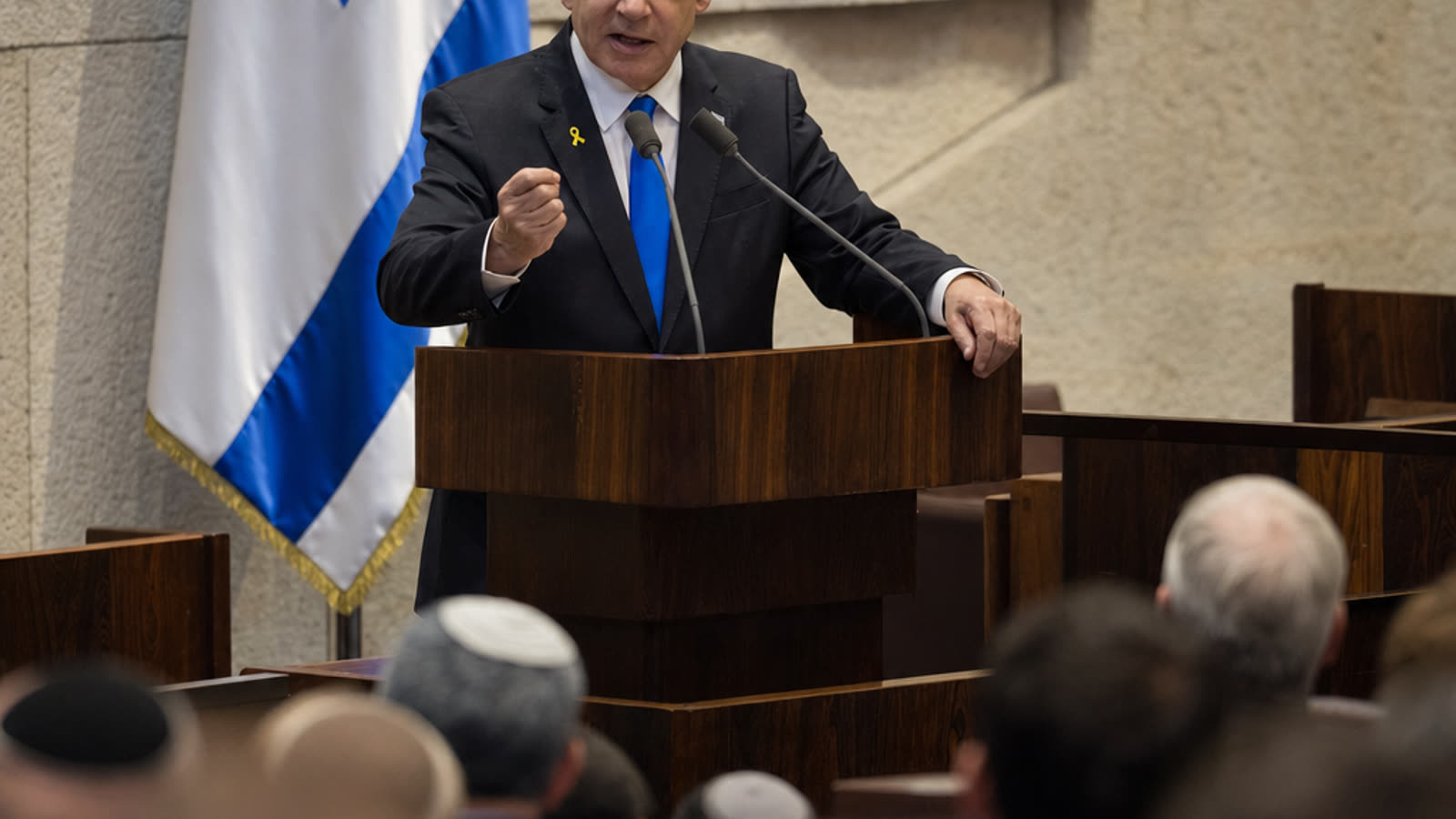
Israel has signaled, through both public statements and private channels, that it is prepared to act unilaterally against Iran's nuclear infrastructure if it concludes that diplomacy has failed. A senior Israeli official told reporters in Jerusalem last month that the window for a negotiated solution is "measured in weeks, not months," a timeline that has set nerves on edge in Washington, where officials worry that an Israeli strike could draw the United States into a broader conflict.
Gulf states are caught between competing imperatives. Saudi Arabia and the United Arab Emirates have welcomed the renewed US pressure on Tehran, which they view as essential to containing Iranian influence. But both have also made clear, in conversations with senior State Department officials, that they oppose a regional war that would jeopardize the economic diversification projects at the heart of their long-term planning. A Gulf-based analyst at a Washington think tank described the mood in Riyadh and Abu Dhabi as "supportive but anxious."
Russia, meanwhile, has seized the moment to deepen its military-technical relationship with Iran. Moscow has reportedly offered advanced air-defense systems and is exploring joint production of drones, a partnership that Western officials see as part of a broader effort to complicate US freedom of action in the region.
Scenarios and Market Jitters
Three broad scenarios now dominate planning discussions in Washington and allied capitals. The first is a face-saving diplomatic off-ramp, possibly brokered through Oman or Qatar, in which Iran agrees to freeze enrichment at current levels in exchange for limited sanctions relief. A senior administration official said such an arrangement remains "theoretically possible" but acknowledged that the political will on both sides appears thin.
The second is a narrow Israeli strike on key nuclear facilities, designed to set back Iran's program by months or years. Such an operation would almost certainly trigger Iranian retaliation, potentially drawing the United States into direct hostilities whether or not Washington had advance notice or gave its blessing.
The third is a protracted low-intensity campaign, waged primarily through proxies and in the cyber and maritime domains, that stops short of open war but exacts a steady toll on regional stability and global commerce. A senior Pentagon official said this scenario is "already underway" and may represent the new normal for the foreseeable future.
Financial markets have taken notice. Brent crude has climbed more than eight percent since mid-April, with traders bidding up prices on every headline suggesting escalation. Insurance premiums for tankers transiting the Gulf have doubled in some cases, and equity markets have adopted a risk-off tone, with analysts closely watching the energy complex and defense contractors.
What Comes Next
The next thirty to sixty days are likely to clarify whether the current trajectory leads toward diplomacy or confrontation. A senior official at the National Security Council said the administration is prepared for either path but emphasized that the president views the current Iranian nuclear trajectory as "unacceptable." Israel's timeline, and the degree to which Washington can influence it, may prove decisive. For now, the region is bracing for a summer of heightened tension, with both sides testing resolve and the risk of miscalculation rising with each exchange.
AI-generated editorial — The Joni Times