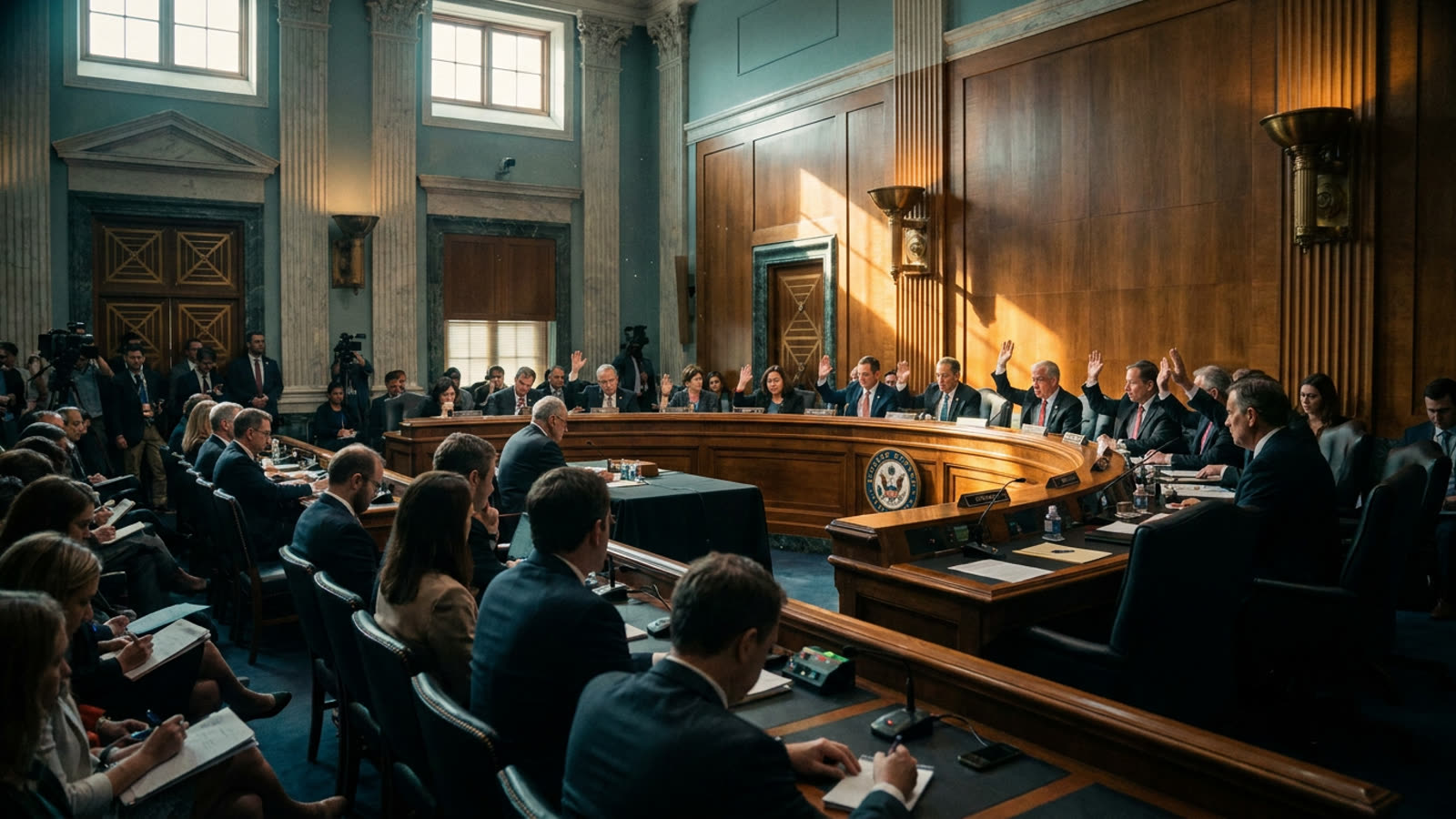
The Supreme Court's June calendar reads like a referendum on the American presidency itself. In the final weeks of its 2025-26 term, the justices will decide whether the executive branch can unilaterally redefine who counts as a citizen, deport residents without traditional due process, and dismantle regulatory frameworks that have governed American life for decades. The timing is not coincidental. The Trump administration has deliberately accelerated legal conflicts to reach a sympathetic Court before political winds shift.
What makes this term exceptional is not any single case but the cumulative effect. Previous terms featured one or two blockbuster rulings; this one features a half-dozen, all touching the same nerve: how much power does a president actually have?
The citizenship question
The birthright citizenship case represents the most direct challenge to constitutional text in decades. The Fourteenth Amendment's guarantee that "all persons born or naturalized in the United States" are citizens has been understood as categorical since 1868. The administration argues that children of undocumented immigrants fall outside this protection—a reading that would require the Court to insert exceptions the amendment's framers explicitly rejected.
Legal scholars across the ideological spectrum have called the argument textually indefensible. Yet the Court agreed to hear it on an expedited basis, suggesting at least four justices see something worth considering. The implications extend far beyond immigration: if constitutional language this clear can be reinterpreted through executive preference, the document becomes advisory rather than binding.
Deportation without courts
Separately, the Court will rule on whether the administration can remove certain residents through administrative processes that bypass immigration judges entirely. The government frames this as efficiency; critics call it the elimination of due process for a disfavored class. The answer will determine whether millions of long-term residents have any meaningful legal recourse.
The administration has already begun implementing the policy in anticipation of victory, creating facts on the ground that would be difficult to reverse even if the Court eventually rules against it. This strategy—act first, litigate later—has become a signature approach, treating adverse rulings as speed bumps rather than stop signs.
The regulatory state's fate
Less dramatic but equally consequential are pending cases on agency authority. Following last term's Chevron reversal, lower courts have begun striking down regulations across environmental, financial, and labor law. The Court will now decide how far this deregulatory logic extends—whether agencies retain any meaningful rulemaking power or become purely advisory bodies awaiting congressional instruction that will never come.
Our take
The Court's conservative majority has spent years insisting it merely interprets law rather than makes it. This term will test that claim definitively. Ruling for the administration on birthright citizenship would require inventing constitutional meaning that does not exist in the text. Ruling against it would require telling a president with a mandate that the Constitution still constrains him. Either outcome reshapes American governance. The justices cannot pretend they are merely calling balls and strikes when they are deciding whether the strike zone itself still exists.