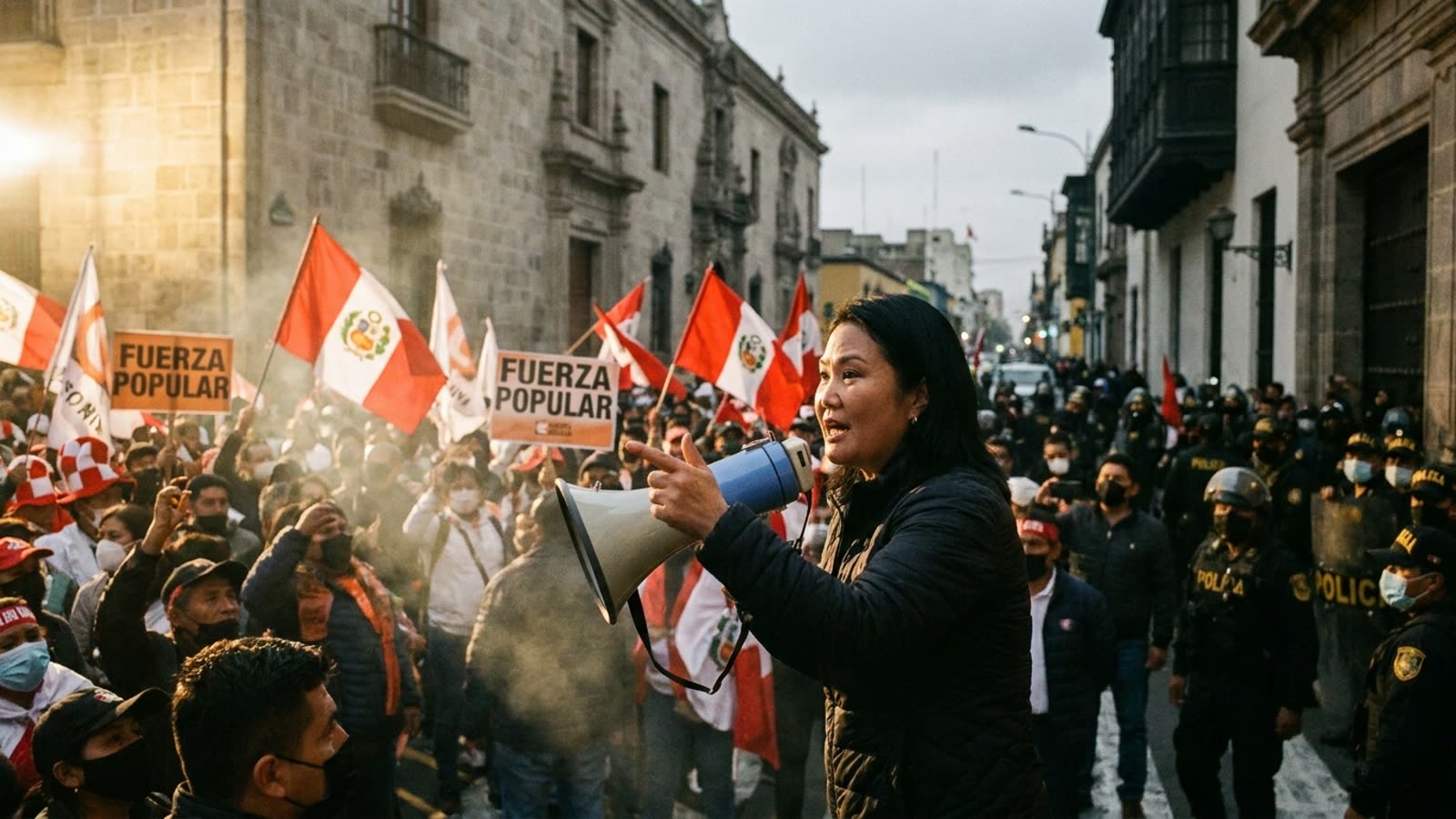
The woman Peruvians have rejected three times is now their president-elect. Keiko Fujimori has secured what electoral authorities are calling an insurmountable lead in Peru's presidential runoff, capping a political comeback that seemed impossible when she was herself jailed on corruption charges in 2018. Her victory represents not merely a personal vindication but the rehabilitation of an entire political project—one built by her father Alberto, who governed Peru with an iron fist from 1990 to 2000 and remains imprisoned for authorising death-squad killings.
The result will reverberate across Latin America, where the Fujimori name carries a specific weight. To supporters, Alberto Fujimori saved Peru from hyperinflation and the Shining Path insurgency. To critics, he institutionalised corruption and oversaw systematic human rights abuses. His daughter has spent two decades trying to inherit the former legacy while distancing herself from the latter—a political tightrope that finally paid off.
A country exhausted by chaos
Peru's appetite for a Fujimori restoration says less about ideology than about institutional collapse. Since 2018, the country has cycled through six presidents. Congress has become a marketplace for obstruction, impeaching leaders with abandon while accomplishing little else. The economy, once Latin America's steadiest performer, has stagnated amid political paralysis.
Keiko Fujimori positioned herself as the candidate of order. Her Fuerza Popular party commands the most disciplined bloc in Peru's fragmented legislature, and she campaigned on the promise that she could actually govern—a low bar that nonetheless distinguished her from rivals. Voters who rejected her in 2011, 2016, and 2021 evidently concluded that the alternatives had proven worse.
The authoritarian question
Critics warn that Fujimori's victory marks a regression toward the strongman politics her father embodied. Her campaign rhetoric emphasised law and order, and she has been vague about judicial independence and press freedom. Human rights organisations note that she has never fully repudiated her father's record, visiting him regularly in prison and promising a pardon if elected.
Yet Keiko Fujimori is not her father. She has operated within democratic constraints for a quarter-century, losing elections she could have contested and submitting to judicial processes that saw her detained. Whether this reflects genuine democratic commitment or merely strategic patience remains the central uncertainty of her presidency.
Our take
Peru did not elect Keiko Fujimori because it loves her. It elected her because it has exhausted the alternatives. The country's political class has spent years demonstrating that fragmentation and dysfunction carry their own costs, and voters have now opted for the devil they know. Fujimori inherits a nation desperate for competence; whether she delivers governance or grievance will determine whether this marks a turning point or merely another chapter in Peru's institutional decay. The Fujimori name got her to the palace. What she does there will define whether the dynasty endures or finally ends.