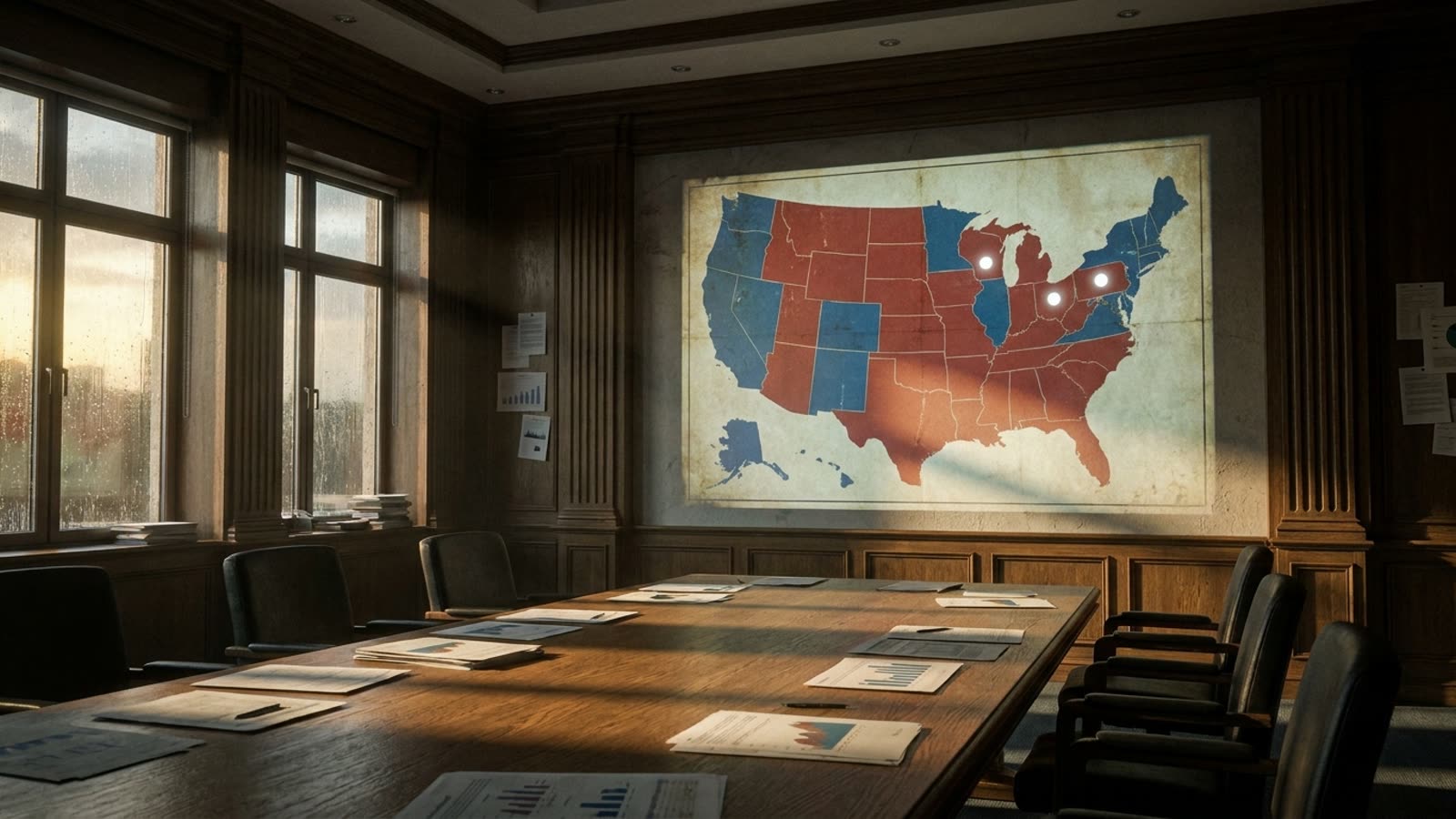
The arithmetic of American politics is unforgiving, and Donald Trump is discovering that even a president who bent electoral gravity twice cannot indefinitely defy it. With the 2026 midterms approaching, the numbers confronting the Republican Party are not merely unfavorable—they are structurally ominous.
The pattern is familiar to students of presidential politics: a first midterm that functions as a referendum on the incumbent. What makes Trump's situation distinctive is the compound nature of his vulnerabilities. He is simultaneously managing an unpopular military engagement with Iran, presiding over congressional allies who are beginning to calculate their own survival odds, and watching his approval ratings settle into territory that historically presages significant seat losses.
The coalition problem
Trump's 2024 victory was built on an expansion into working-class Hispanic and Black male voters while maintaining suburban gains from 2020. That coalition was always more fragile than the margin suggested. The Iran strikes have reopened fissures with the libertarian-leaning wing of the party, while the administration's aggressive immigration enforcement—including the green card policy changes forcing hundreds of thousands to leave the country to apply—has complicated outreach to naturalized citizens and their families.
Republican strategists privately acknowledge that the House majority, already narrow, is genuinely at risk. The Senate map is more favorable, but several incumbents who survived primary challenges from Trump-endorsed candidates are now running as wounded nominees in purple states.
Historical precedent offers cold comfort
First-term midterms have been brutal for modern presidents. Obama lost 63 House seats in 2010; Clinton lost 54 in 1994. The exceptions—George W. Bush in 2002, buoyed by post-9/11 unity—required extraordinary circumstances. Trump's Iran campaign has not generated comparable rallying effects; if anything, the conflict's costs and uncertain objectives have accelerated war fatigue rather than patriotic consolidation.
The White House strategy appears to be doubling down on base mobilization, betting that Trump's unique ability to drive turnout can overcome structural headwinds. This approach worked in 2024. Whether it can work without Trump himself on the ballot is the central gamble.
Our take
Trump has always governed as if political physics were optional—and for a remarkable stretch, he was right. But midterm elections are the cruelest test of a president's actual standing, stripped of the personality-driven dynamics that favor him. The math problem isn't that Republicans might lose seats; that's normal. The math problem is that Trump's coalition was never designed to survive without Trump at the center of the ballot, and no amount of rallies in Ohio can change the fact that he won't be.