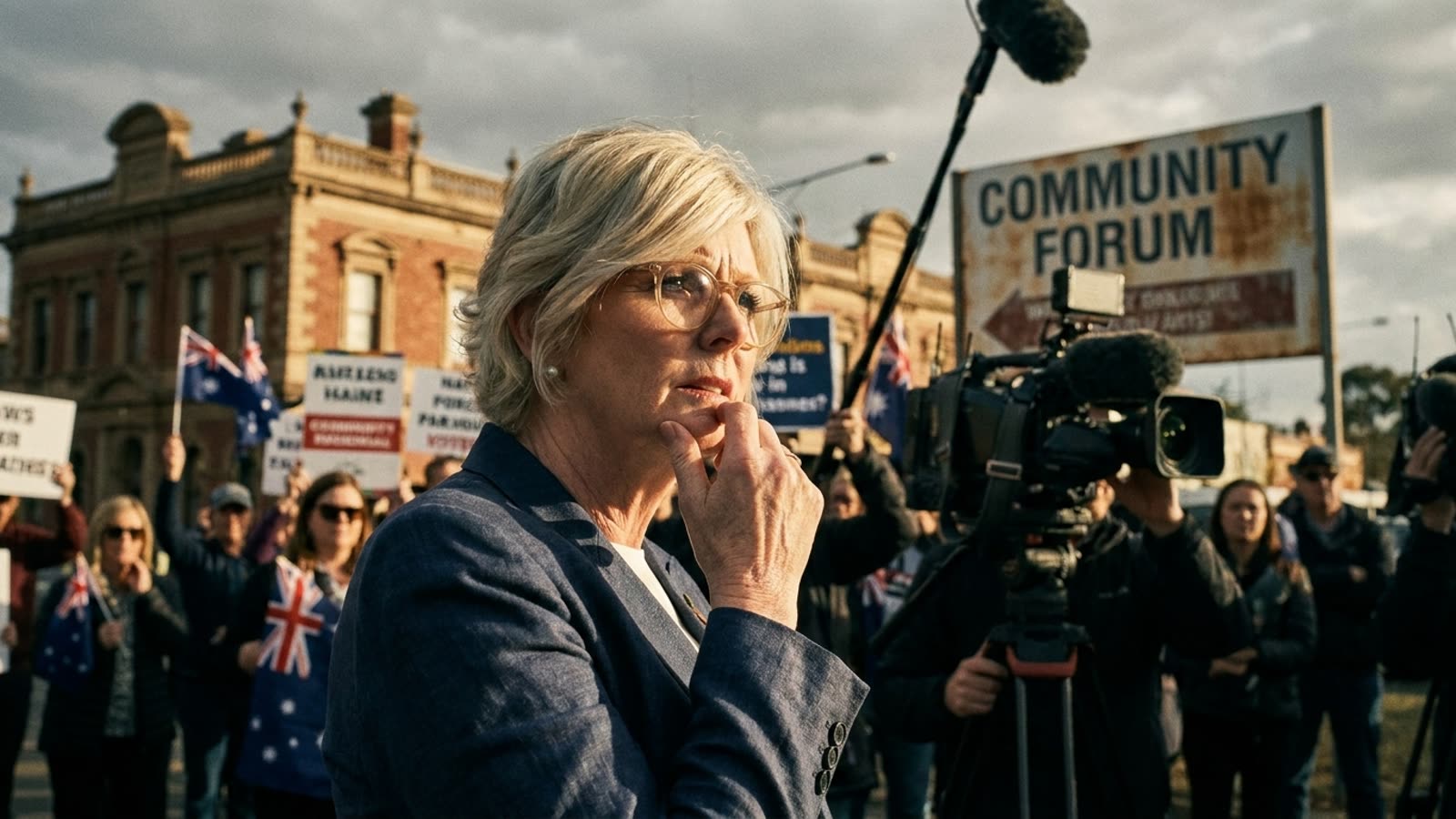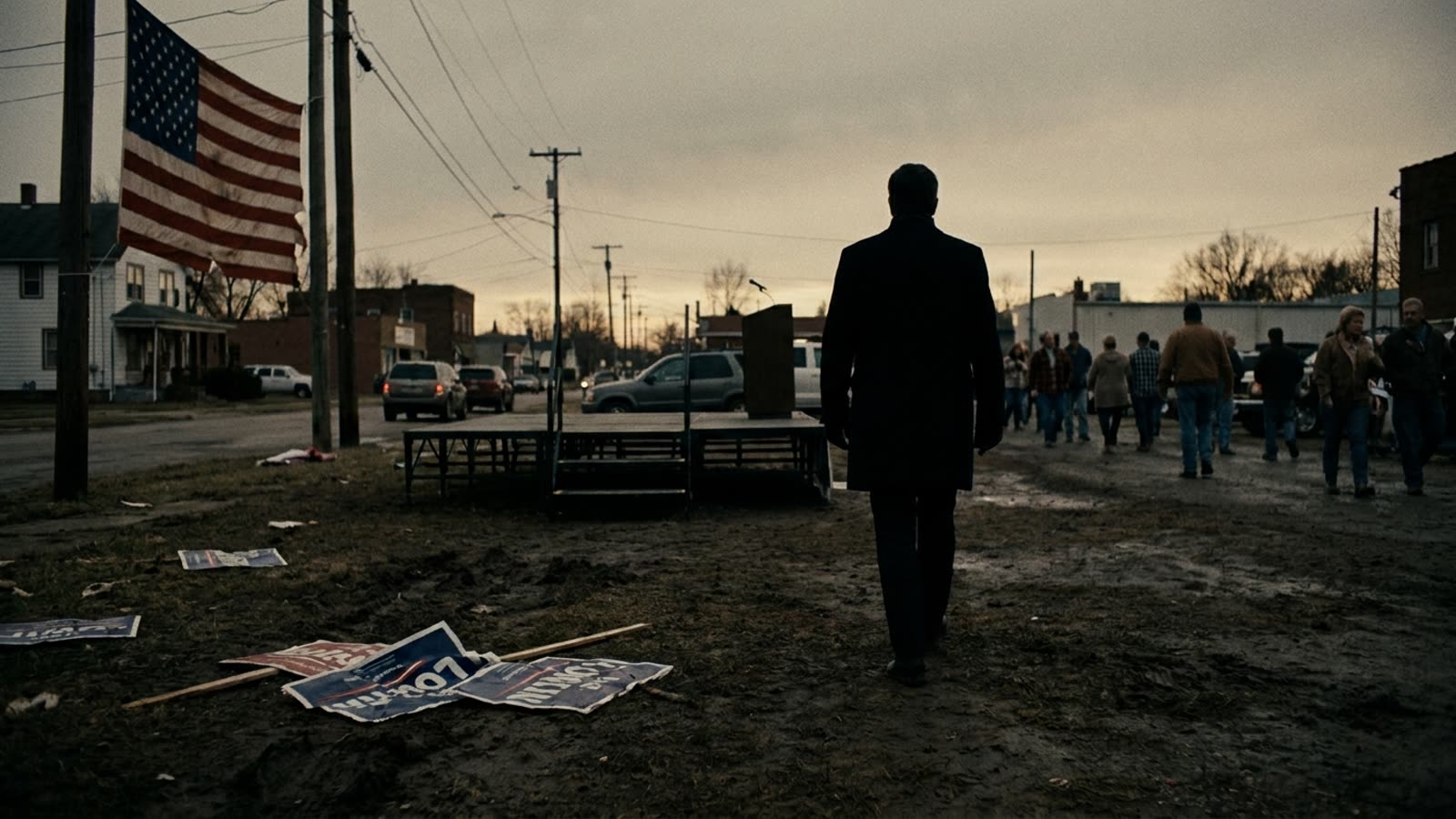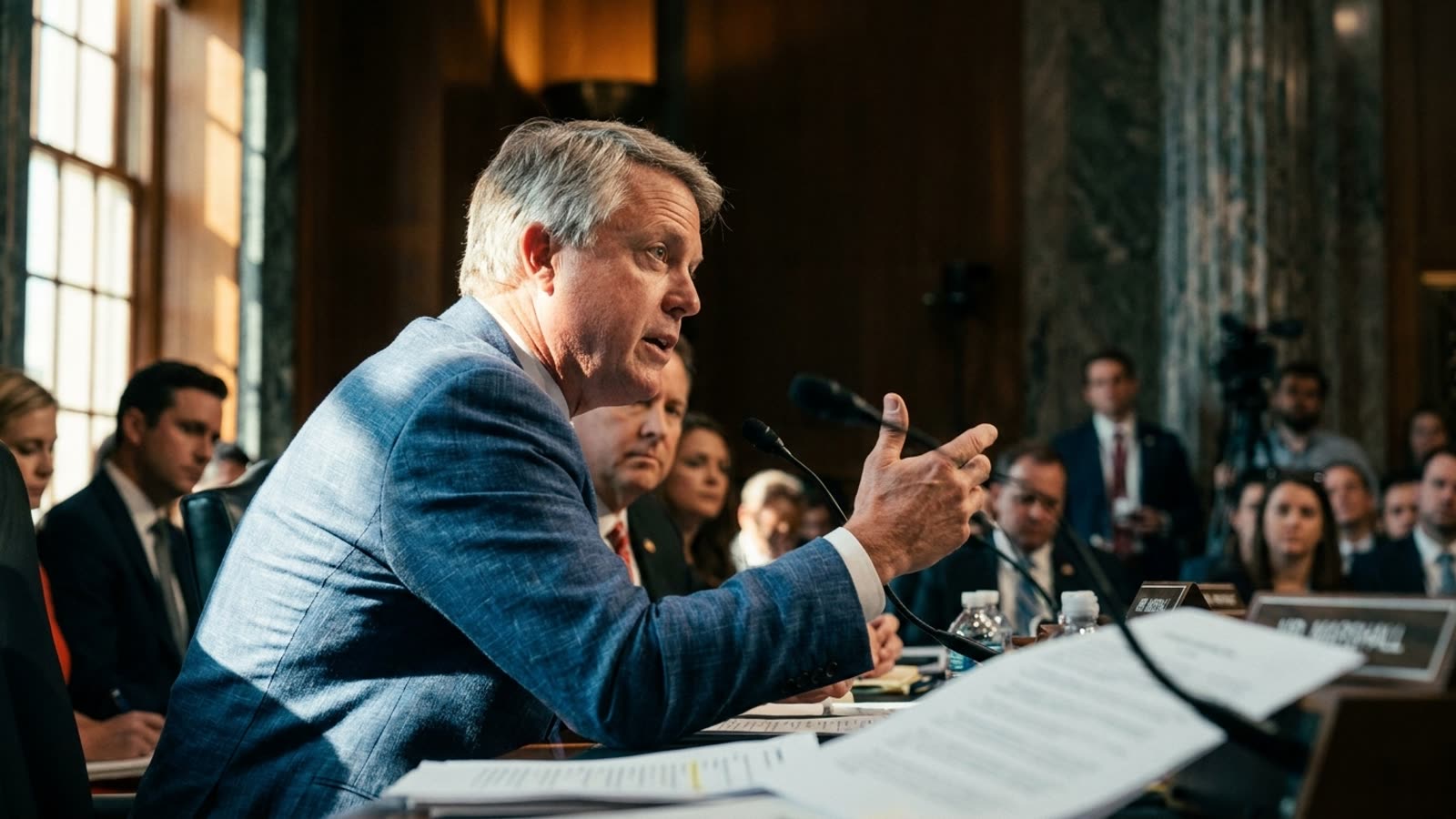
The fact that Donald Trump spent Monday night in Wichita, Kansas—a state he carried by fifteen points in 2024—is not a show of strength. It is triage. Senator Roger Marshall, a reliable conservative vote who should be coasting to re-election, is instead locked in an unexpectedly tight race against Democrat Adam Hamilton, a former Army officer whose campaign has focused relentlessly on healthcare costs and agricultural subsidies. That Marshall needs a presidential rescue mission in the final stretch tells a cleaner story than any national poll: the Republican firewall is burning.
Trump's rally itself offered a preview of the closing argument his party will make—and the limitations of that argument. Rather than defend his administration's economic record or tout legislative achievements, the president leaned heavily into attacks on "migrants and communists," attempting to weaponize footage from the ongoing European protests as a cautionary tale for American voters. He invoked the unrest in France, where President Macron has struggled to contain demonstrations over housing costs and immigration, framing it as the inevitable consequence of liberal governance.
The Kansas canary
Kansas has not elected a Democratic senator since 1932. The state's political DNA is so deeply Republican that competitive races simply do not happen there—except when they do. In 2020, Barbara Bollier came within ten points of unseating Marshall's predecessor, a result that shocked both parties. Now Hamilton is polling within the margin of error, buoyed by suburban defections in Johnson County and genuine rural anger over farm policy.
The Marshall race is not an outlier. Republicans are defending Senate seats in Alaska, Iowa, and South Carolina that should be safe. The president's approval rating, per a new Washington Post-ABC poll, has cratered to 33 percent—territory that historically presages a wave election against the incumbent party. House Republicans in swing districts have already begun distancing themselves from Trump in their advertising, a strategic retreat that accelerated after the administration's handling of the Iran conflict drew bipartisan criticism.
The closing message problem
Trump's decision to center his Kansas speech on immigration and Europe's unrest reveals a campaign searching for traction. The anti-Muslim rhetoric that dominated portions of the rally may energize the base, but it does little to address the kitchen-table concerns—inflation, healthcare, housing—that are driving swing voters toward Democrats. The president's attempt to frame European protests as a warning about left-wing governance also risks backfiring; polling suggests most Americans view the demonstrations as a response to economic hardship, not ideological excess.
Meanwhile, the administration's foreign policy crises continue to compound. The ongoing Iran war has disrupted global energy markets, and Trump's increasingly public feud with Ukrainian President Volodymyr Zelenskyy over arms shipments and negotiations has alienated even hawkish Republicans who once cheered his unconventional diplomacy. The president's suggestion that Zelenskyy should be "replaced as negotiator" drew rare rebukes from members of his own party.
Our take
Kansas is not going to elect a Democratic senator—probably. But the fact that we must add that qualifier is itself the headline. Trump's presidency has always operated on the assumption that cultural grievance could substitute for governing competence, that the base would remain loyal regardless of outcomes. That assumption is being tested in real time, in a state where it should never be tested at all. If Marshall survives by single digits, Republicans will call it a win. They will be lying to themselves.